



Brinjal's Culinary Transformation
Brinjal, also known as eggplant, is a versatile vegetable that shines in Indian cooking. It readily absorbs flavors, making it a staple across various
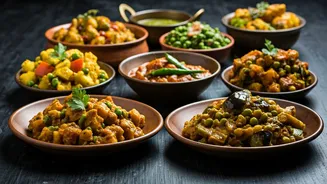
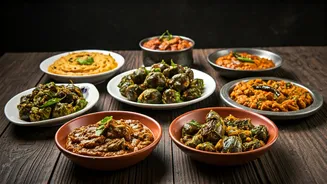
regions. This article ventures into the vibrant world of Indian cuisine, introducing you to six mouthwatering brinjal recipes. These dishes transcend the ordinary, displaying the vegetable's ability to seamlessly blend with spices, herbs, and other ingredients, creating unforgettable culinary experiences. Each recipe presents a unique aspect of Indian culinary diversity, from the smoky depth of bharta to the satisfying crunch of begun bhaja, showcasing why brinjal holds such a special place in Indian kitchens. The journey begins with a brief overview of how brinjal has been embraced and modified across states, establishing itself as a key ingredient.
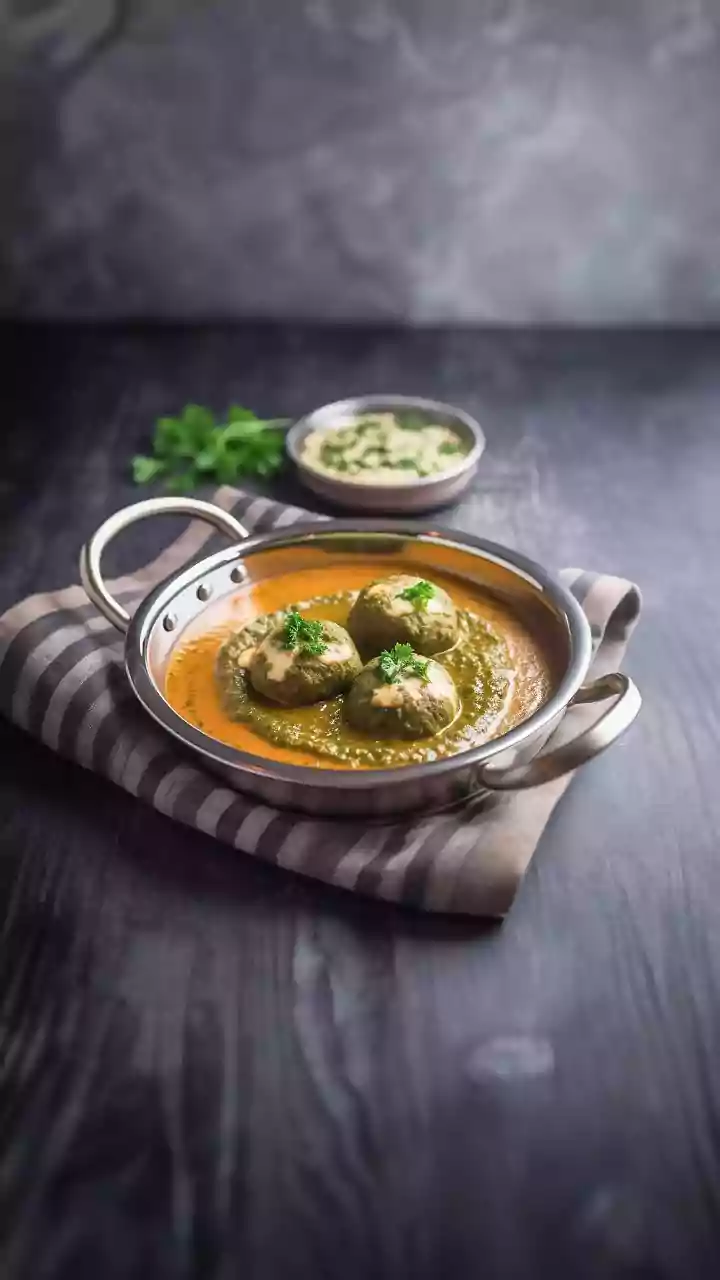
Gutti Vankaya: Andhra Delight
Originating from Andhra Pradesh and Telangana, Gutti Vankaya represents a culinary treasure. It involves stuffing small brinjals with a flavorful mixture of spices, creating a symphony of textures and tastes. The brinjal is cooked to perfection, often in a tamarind-based gravy or a peanut-sesame paste, which enhances its natural flavors. This dish perfectly illustrates the regional preference for spicy and tangy tastes. The spice levels vary, but the essence remains consistent: a robust, satisfying meal that captures the essence of Andhra and Telangana's rich culinary tradition. Gutti Vankaya is an excellent illustration of how simple ingredients, combined with local spices, can result in a complex and satisfying dish.
Vangi Bath: Karnataka's Charm
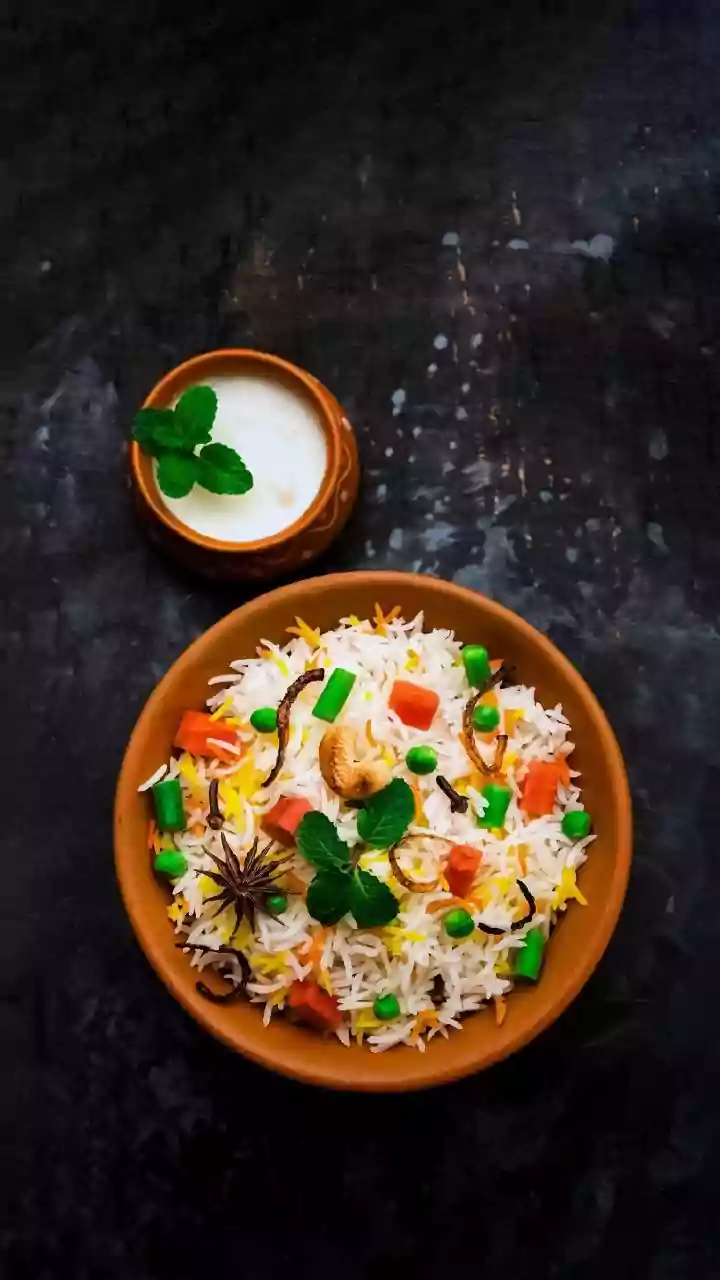
Vangi Bath, a popular dish from Karnataka, demonstrates how brinjal can perfectly integrate into everyday meals. It is essentially brinjal cooked with rice, infused with a blend of spices. The recipe calls for brinjals to be cooked separately, then mixed with rice and the aromatic spice paste. The outcome is a flavorful one-pot meal that provides a hearty and satisfying experience. The dish often includes regional spices, such as asafoetida, mustard seeds, and curry leaves, which together, add a distinct character. Vangi Bath's simplicity and delicious taste make it a beloved dish for both daily meals and special occasions, showcasing the practical and delicious use of brinjal in Karnataka's culinary landscape.
Baingan Bharta: North India's Smoky Flavor
The North Indian Baingan Bharta brings a smoky essence to the table. This dish involves roasting the brinjal over an open flame until it is tender and smoky. The roasted pulp is then mashed and mixed with onions, tomatoes, and spices. The unique smoky taste and texture that results is what sets this dish apart. The final result is a dish that provides a deep, smoky flavour and is often served with roti or rice. Baingan Bharta represents the North Indian flair for grilling and flavourful simplicity, making it a versatile and loved dish across the region. This is another example of a classic recipe where simple ingredients are carefully brought together to create something incredible.
Begun Bhaja: Bengali Delight
Begun Bhaja, a dish from West Bengal, is a simple yet satisfying preparation. Thin slices of brinjal are coated in a mixture of spices and gram flour, and then shallow-fried until golden brown and crispy. This process brings out a delightful contrast of textures and flavors; the soft, tender brinjal inside and a crisp, spiced coating. The dish is usually eaten as a side dish or snack and goes perfectly with rice and dal. Begun Bhaja is a testimony to the Bengali appreciation for subtle seasoning and simple preparation, making it a delicious and easily accessible dish.
Kathirikai Poriyal: Tamil Nadu's Twist
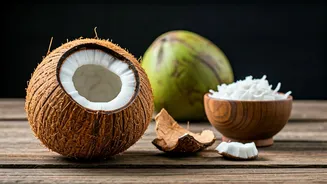
Kathirikai Poriyal showcases Tamil Nadu's culinary expertise, involving brinjal diced and stir-fried with mustard seeds, curry leaves, and other spices. The brinjal is cooked until tender, and the spices create a delicious aroma. The dish can also include coconut, enhancing its flavours and adding texture. Kathirikai Poriyal’s taste depends on the use of everyday spices and herbs, and provides a delightful combination of flavors. The dish exemplifies the Tamil Nadu food culture, offering a simple yet fulfilling dish that complements various meals. The dish is a fine example of how everyday ingredients can be transformed into delicious meal.