



The Illusion of Flake Removal
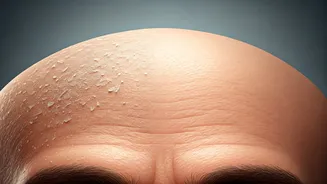
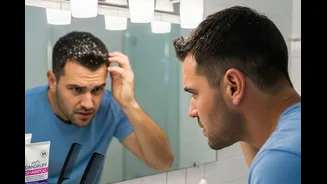
Many people believe that shaving their head offers a quick fix for dandruff, leading to a visible reduction in flakes. However, this is merely an illusion.
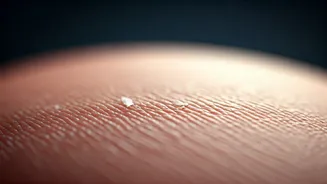
Dandruff originates from the scalp's underlying biological processes, not the hair itself. When hair is removed, any visible flakes become easier to wash away or are simply less noticeable against bare skin. This apparent improvement is purely superficial; the actual cause of dandruff continues to be active beneath the surface. Dr. Shweta Nakhawa, a Consultant Dermatologist, clarifies that removing hair does not address the fundamental issues that trigger dandruff, making any perceived relief temporary at best.
Understanding Dandruff's Roots
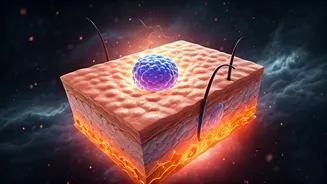
Dandruff is a common scalp condition stemming from an overreaction of the scalp to natural oils and yeast. This reaction triggers inflammation and accelerates the shedding of skin cells, resulting in noticeable flakes. Several factors can contribute to or worsen dandruff, including changes in weather, heightened stress levels, genetic predisposition, and inherent skin sensitivity. Dr. Nakhawa points out that shaving the head does nothing to alter these underlying causes. It doesn't regulate oil production, inhibit yeast growth, or reduce scalp inflammation, which is precisely why dandruff frequently reappears even after a complete shave.
When Shaving Backfires
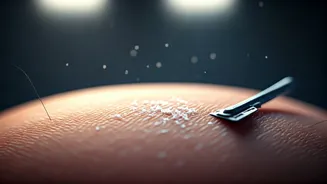
Far from being a solution, shaving can potentially exacerbate dandruff or lead to other scalp issues. By removing hair, the scalp becomes directly exposed to environmental elements like sunlight and pollution. Additionally, the act of shaving itself can introduce minor nicks or irritation. These abrasions can compromise the scalp's natural protective barrier, leading to increased dryness, itchiness, and redness. A weakened scalp barrier disrupts the delicate balance of its natural microbial flora, which can, in turn, worsen flaking and overall discomfort, making the initial problem even more pronounced.
Effective Long-Term Solutions
Instead of resorting to drastic measures like shaving, dermatologists emphasize the importance of consistent and targeted treatment. The most effective long-term strategy for managing dandruff involves the regular use of medicated anti-dandruff shampoos. These specialized shampoos are designed to control yeast overgrowth and reduce scalp inflammation. Crucially, they should be used consistently, even if the hair is very short or has been shaved. Allowing the shampoo to sit on the scalp for a short period before rinsing can enhance its effectiveness. Complementary practices include avoiding harsh soaps, protecting the scalp from excessive sun exposure, and actively managing stress levels. Ultimately, treating the scalp itself is key to keeping dandruff under control.