
ULA Atlas V Launch
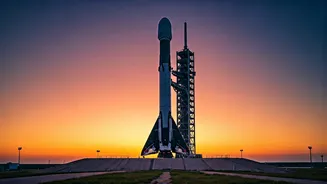
United Launch Alliance (ULA), known for its reliable Atlas V rockets, has been actively involved in space missions. ULA's operations often involve significant
preparations. These preparations include pre-launch activities. The Atlas V is a workhorse, designed for delivering various payloads into orbit. While specifics are confidential, the launch readiness depends on several factors, including weather conditions and technical evaluations. ULA consistently works towards on-time and successful missions, contributing significantly to national space infrastructure.
SpaceX Starlink Missions
SpaceX, led by its Falcon 9 rocket, continues its prolific launch schedule with Starlink missions. These missions involve deploying satellites into orbit. The Falcon 9 rockets have become a symbol of SpaceX's innovation and reusability. Each launch contributes to expanding the Starlink constellation. Missions like Starlink 6-82 and 6-99 demonstrate the consistent execution and reliability. SpaceX’s approach has revolutionized the space launch industry, enhancing accessibility.
Competition Emerges
The space sector showcases increasing competition, with different companies striving for market share and innovation. SpaceX and ULA continue to compete in this market. The rivalry fosters advancements in rocket technology, efficiency, and cost-effectiveness. In this scenario, Blue Origin is also playing a significant role. The competition among these companies is instrumental in driving the progress of space exploration, including new launch vehicles and technologies. This dynamic competition is expected to continue for years, leading to innovation in the space industry.
Weather Impacts Launches
Weather conditions often influence launch schedules. Unpredictable weather may result in delays or postponements for space missions. Companies like ULA and SpaceX have well-defined contingency plans. The safety of the launch and mission success is the primary concern for any launch. Weather delays can sometimes cause logistical challenges. Planning and flexibility are critical to the success of each launch. The reliance on accurate weather forecasting highlights the need for precise data to avoid potential problems.
Amazon Leo 4 Mission
Amazon's involvement with space missions, like the Leo 4 mission, adds another dimension. This mission represents the expansion of commercial space ventures. The participation of companies like Amazon is important for developing space infrastructure. While specific details may be proprietary, these missions reflect a broadening of space exploration. The commercial ventures contribute to the overall growth of the space ecosystem, encouraging innovation. This expansion also showcases the importance of space-based services.