





Introduction to Wetlands
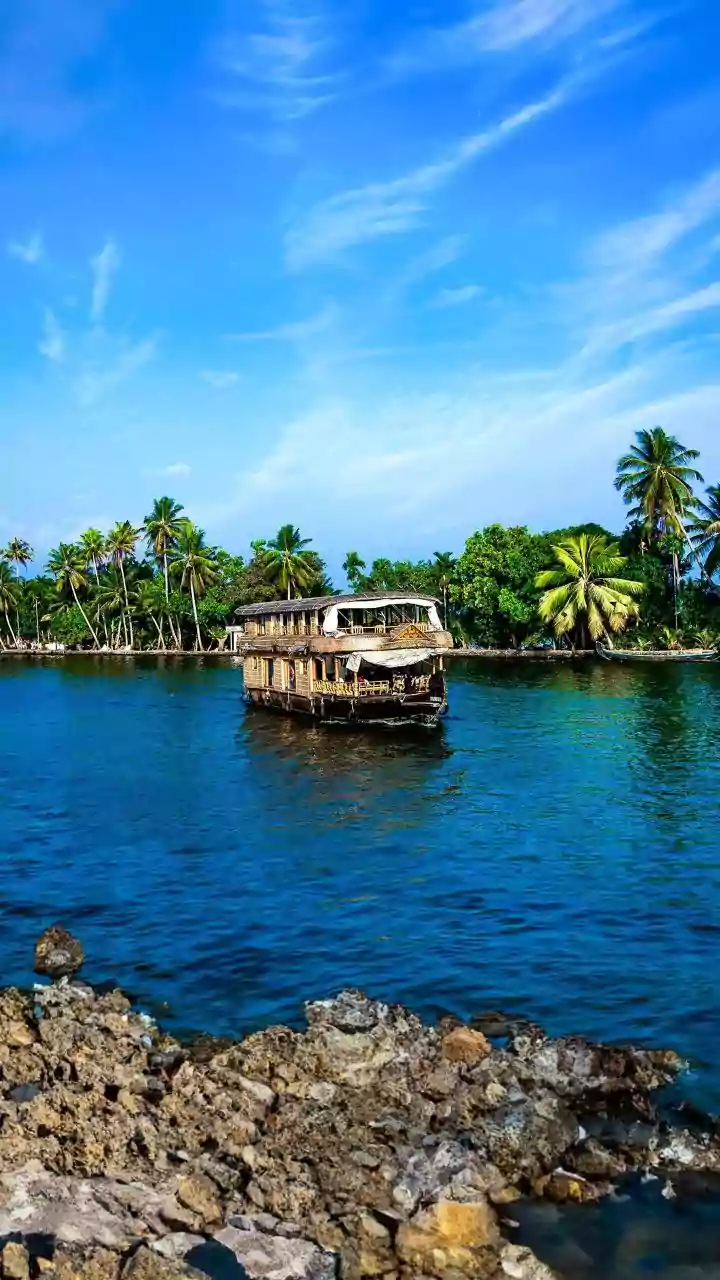
Wetlands are indispensable ecosystems, acting as transition zones between terrestrial and aquatic environments. They encompass marshes, swamps, mangroves,
and other waterlogged areas that harbor unique biodiversity and play essential roles in regulating water cycles, mitigating floods, and filtering pollutants. India, with its varied geography and climate, boasts a rich array of wetlands, each supporting a wide range of flora and fauna. These environments are not only crucial for ecological balance but also provide livelihoods for many communities. Understanding and conserving these vital ecosystems is imperative for maintaining biodiversity and ensuring the long-term well-being of both humans and the planet. These areas act as natural sponges, absorbing excess water during heavy rainfall and releasing it slowly, which helps to prevent flooding and ensures water availability during dry periods. They also play a critical role in filtering pollutants from the water, improving water quality. The significance of wetlands extends beyond their ecological functions, supporting fisheries, agriculture, and tourism, thus contributing to the economic and social fabric of the regions where they are located.
Chilika Lake's Marvel
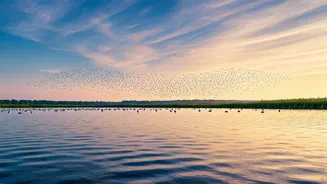
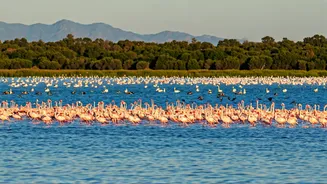
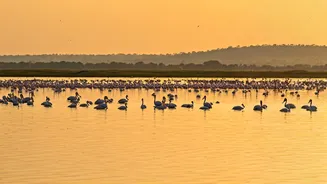
Chilika Lake, the largest coastal lagoon in India, is a biodiversity hotspot situated in Odisha. This brackish water lagoon is a wintering ground for migratory birds from as far as Siberia and a nursery for various fish species. The lake's ecosystem supports a vast array of life, including diverse species of fish, crustaceans, and aquatic plants, which sustains the local fishing communities. The lagoon is also home to Irrawaddy dolphins, a vulnerable species adding to its conservation significance. Efforts to conserve Chilika Lake have seen substantial success, with improvements in water quality and a rise in migratory bird populations. These efforts are crucial, considering the threats from pollution and habitat degradation, ensuring this natural wonder's survival. The diverse fauna includes numerous migratory birds that arrive in large numbers during winter, including species from as far as the Caspian Sea, Siberia, and Mongolia. The lagoon is also a breeding ground for various fish and crustaceans, which supports the local fishing communities and contributes significantly to the regional economy. Initiatives such as community-based conservation programs and sustainable tourism practices are vital for protecting the ecosystem.
Sundarbans' Mangrove Majesty
The Sundarbans, a UNESCO World Heritage site, is the world's largest mangrove forest, shared between India and Bangladesh. Located in the Ganges-Brahmaputra delta, it is famous for its unique ecosystem and is home to the majestic Bengal tiger. The intricate network of tidal waterways and mangrove trees creates a unique habitat for a variety of species. Besides the Bengal tiger, the Sundarbans supports diverse avian species, reptiles, and invertebrates. The forest's role in protecting coastal communities from cyclones and erosion is also crucial. Conservation efforts focus on managing tiger populations, controlling poaching, and promoting sustainable practices to ensure the long-term viability of this critical ecosystem. The mangrove forest provides a natural barrier against storms and cyclones, protecting coastal communities from the devastating effects of natural disasters. The area supports numerous other species, including various bird species, reptiles, and invertebrates. Maintaining the ecological integrity of the Sundarbans through continuous monitoring and conservation actions is critical to protecting both the biodiversity of the region and the well-being of the communities that depend on it.
Keoladeo's Bird Sanctuary
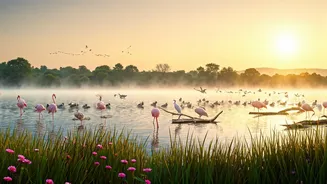
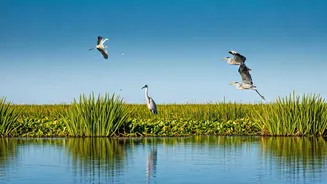
Keoladeo National Park, formerly known as Bharatpur Bird Sanctuary, is a renowned avian paradise in Rajasthan. It is a man-made wetland created by constructing dams and dykes, and is a haven for migratory birds from across the world. The sanctuary's diverse habitats, including shallow wetlands and grasslands, support various bird species. The annual migration of birds from Eurasia during winter makes Keoladeo a birdwatcher's paradise. Conserving the sanctuary involves maintaining water levels, controlling invasive species, and ensuring sustainable tourism. Protecting this area is crucial for the survival of numerous bird species and the ecological health of the region. The park is home to over 370 bird species, including resident and migratory birds, making it a critical site for ornithological research and bird watching. The diverse range of habitats within the park provides shelter and food for a wide variety of birds. Efforts to maintain these water levels and control invasive species are vital to ensure the long-term health of the ecosystem.
Loktak Lake's Floating World
Loktak Lake in Manipur is famous for its phumdis, or floating islands, and is the largest freshwater lake in Northeast India. It supports a unique ecosystem and provides livelihood to local communities. The lake is home to the endangered Sangai deer, also known as the brow-antlered deer. The lake's significance extends beyond its ecological value; it also sustains the livelihoods of thousands of people who depend on its resources. Conservation efforts must address issues such as pollution, deforestation, and the impact of the Loktak Hydropower Project. These measures are essential for preserving the lake's delicate ecosystem and supporting the communities dependent on it. The lake's unique ecosystem, characterized by floating islands called phumdis, supports a variety of aquatic life. The Sangai deer, found only in this region, is a critically endangered species, further emphasizing the conservation importance of the area. Sustainable tourism, community participation, and integrated water management strategies are crucial for maintaining the ecological balance of Loktak Lake.