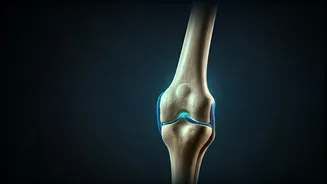

The Backward Stride
Walking backwards, a seemingly unusual exercise, presents a wealth of benefits for both physical and mental well-being. This exercise engages different
muscle groups and requires a heightened sense of balance and coordination compared to forward walking. By shifting the body's center of gravity and promoting new movement patterns, it prompts the brain to work in a novel way, potentially enhancing cognitive functions. Furthermore, the unfamiliar movement stimulates greater focus and concentration, making it a valuable tool for those looking to sharpen their mental acuity. Walking backwards not only challenges the body but also offers a unique opportunity to revitalize the mind.
Brain-Boosting Benefits
One of the primary benefits of walking backwards lies in its ability to enhance cognitive functions. It prompts the brain to re-evaluate the spatial environment and stimulates neural pathways in a different way. This process can lead to improved memory, enhanced focus, and better overall cognitive performance. The increased mental effort required while walking backward prompts greater blood flow to the brain, which in turn delivers more oxygen and nutrients. This can lead to clearer thinking and heightened alertness. Regular practice may also improve motor skills and balance. By challenging the brain and body simultaneously, walking backward offers a holistic approach to enhancing both mental and physical health.
Boosting Mental Health
Walking backwards can significantly influence mental health by reducing stress and improving mood. It acts as a form of meditation, as the concentrated effort required to maintain balance and direction redirects attention, thus reducing anxious thoughts. This is very similar to practices like mindfulness, that are designed to help you focus on the present. The physical exertion also leads to the release of endorphins, which are natural mood boosters. This can lead to a more relaxed and positive state of mind. Walking backward outdoors, in particular, combines the benefits of physical activity, fresh air, and exposure to nature, compounding its positive effects. Embracing this practice can become a powerful tool to foster psychological well-being.
Practical Implementation
Incorporating backward walking into your routine is straightforward and accessible. Begin by selecting a safe and clear area, free from obstacles. Start slowly, gradually increasing the duration and speed as you become more comfortable. It is often beneficial to start with short sessions, such as 5-10 minutes, several times a week, gradually increasing the time and intensity. Ensure good posture to maximize the benefits. Maintain an upright position and engage your core muscles to maintain balance and prevent injury. Initially, consider walking on a soft surface like a grassy area or a track to mitigate the risk of falls. Always pay close attention to your surroundings and be mindful of any potential hazards. Regular practice and consistency are the keys to experiencing the full benefits of this unique and rewarding exercise.
Expert Insights and Research
Experts in fields like physiotherapy and neuroscience have increasingly recognized the benefits of walking backward, and research is emerging to validate these claims. Studies highlight its potential in improving balance, mobility, and cognitive functions. It is considered a particularly beneficial exercise for older adults, as it can help prevent falls and improve overall physical fitness. Moreover, research shows that backward walking may be useful in rehabilitation settings for people recovering from injuries, as it engages muscles in new patterns. The growing body of research supports walking backwards as a valuable tool for enhancing both physical health and cognitive function, making it a well-rounded and effective exercise.