






The Alarming Link
Recent research originating from the United States has uncovered a concerning correlation between the regular intake of ultraprocessed foods and a heightened
susceptibility to cardiovascular ailments. This study, which meticulously tracked a large cohort of adults, demonstrated that even modest increases in daily servings of these heavily manufactured food items were associated with a roughly 5% rise in the risk of atherosclerotic cardiovascular disease. This condition is characterized by the narrowing of arteries, a significant precursor to serious heart events. The cumulative effect over time, especially with multiple daily servings, underscores the subtle yet potent danger these foods pose to long-term heart well-being, impacting major cardiac events like heart attacks and strokes.
Defining Ultraprocessed Foods
Ultraprocessed foods, often identified through systems like the Nova classification, are distinguished by their extensive industrial manipulation. They typically incorporate artificial additives, flavour enhancers, and ingredients rarely found in home kitchens, setting them apart from minimally processed or homemade meals. Common examples include a wide array of readily available items such as packaged crisps, sweetened beverages, instant noodles, processed meats like sausages and cold cuts, breakfast cereals fortified with sugars and artificial nutrients, biscuits, cakes, and even certain types of commercially produced bread. Their widespread appeal stems from their convenience, appealing taste, and ubiquitous presence in modern life. However, a critical consequence of their dominance in diets is the displacement of whole, nutrient-dense foods, which is believed to be a primary driver of the associated health risks.
The Reality of Everyday Choices
For the average individual navigating the complexities of daily life, achieving a perfectly balanced diet every single day can be an impractical ideal. Ultraprocessed foods often present themselves as the most accessible option, offering speed, affordability, and broad availability. However, this extensive study adds substantial weight to the growing body of evidence suggesting that an over-reliance on these foods can lead to significant long-term health detriments. It is crucial to approach this information without undue panic or the pursuit of unattainable perfection. Instead, the emphasis is on fostering awareness. The risk associated with these foods is not typically tied to a single snack or meal but rather develops through consistent dietary habits over extended periods. These ingrained patterns, even if seemingly minor, can silently influence your health trajectory in ways that may not be immediately perceptible.
Heart-Healthy Eating Strategies
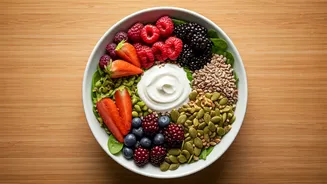
Making conscious, everyday food choices is paramount in safeguarding your heart's health, and a truly beneficial diet extends beyond merely consuming nutritious items. The cornerstone of a heart-conscious eating plan involves prioritizing an abundance of fresh fruits and vegetables, which are rich reservoirs of antioxidants, dietary fiber, and essential nutrients that combat inflammation and promote healthy blood circulation. Furthermore, incorporating whole grains such as oats, brown rice, and millets into your meals is an effective strategy for reducing LDL, or 'bad' cholesterol levels. The inclusion of healthy fats derived from sources like nuts, seeds, olive oil, and fatty fish like salmon provides crucial omega-3 fatty acids, renowned for their anti-inflammatory properties and their role in maintaining balanced cholesterol levels, thereby supporting robust cardiovascular function.
Mindful Eating Habits
Beyond the specific foods we consume, the development of healthy eating behaviors plays an equally vital role in maintaining cardiac wellness. For instance, judiciously limiting salt intake is a key strategy for effective blood pressure management, a factor of particular importance within the Indian diet, which often tends to be high in sodium. Vigilantly monitoring calorie consumption is also instrumental in achieving and sustaining a healthy body weight and maintaining a healthy Body Mass Index (BMI). By actively avoiding processed foods and added sugars, individuals can better prevent unwanted weight gain and mitigate the risk of developing insulin resistance. Cultivating consistent eating patterns, such as consuming meals at regular intervals, controlling portion sizes, and practicing mindful eating, further supports optimal digestion and overall health, contributing to a stronger heart and enhanced well-being throughout life.