






Prevention: Endocrinology's Soul
Professor Vivek Lal, the director of PGIMER, recently emphasized that the very essence of endocrinology lies in prevention. He strongly advocates for a proactive
approach to healthcare, positioning lifestyle modifications and physical fitness as the primary and most impactful interventions, especially when confronting the escalating challenges posed by non-communicable diseases. He shared personal insights, illustrating how fundamental changes in daily living can lead to significant disease reversal. This perspective underscores a return to foundational medical principles, where comprehensive patient care involved meticulous academic exploration, fostering deep diagnostic acumen and robust critical thinking skills. While modern endocrinology benefits greatly from advanced diagnostic tools, the director reiterates that the fundamental strategy for tackling widespread health issues like diabetes must remain rooted in prevention.
Youth Diabetes Surge
A concerning trend is emerging in Chandigarh, where diabetes, traditionally associated with older demographics, is now being increasingly diagnosed in younger individuals. Recent observations from PGIMER indicate a worrying shift, with even teenagers presenting with Type 2 diabetes, a condition previously considered an adult ailment. Data shared by Professor J S Thakur from the School of Public Health at PGIMER reveals a significant number of cases. Over the past eighteen months, approximately 20 individuals aged 18 years or younger have been diagnosed with diabetes, comprising 14 males and 6 females. Furthermore, eight additional cases have been identified in the 19–44 age bracket, a demographic that experts note is also relatively young for such a diagnosis, highlighting a critical public health concern that demands immediate attention and intervention strategies.
GEP-NETs & Research Prowess
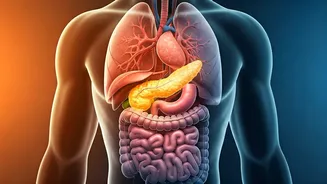
The Department of Endocrinology at PGIMER recently hosted the third Rastogi–Dash Clinical Case Conference, with a specific focus on Gastro-Entero-Pancreatic Neuroendocrine Tumours (GEP-NETs). This event convened leading national and international experts, alongside distinguished alumni and faculty, to engage in in-depth discussions on complex clinical cases and the latest advancements in endocrinology. Professor Sanjay Bhadada, head of the Department, noted that the selection of GEP-NETs as the conference theme reflects the escalating complexity and diagnostic hurdles encountered in contemporary clinical practice. He also highlighted the department's significant academic and research achievements, pointing to a substantial Rs 200-crore extramural grant secured last year for research initiatives. Notably, the Department of Endocrinology alone contributed Rs 50 crore to this grant, underscoring its leadership in pioneering endocrine research and its commitment to pushing the boundaries of scientific discovery in the field.