







Summer's Perfect Storm
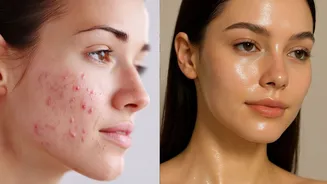
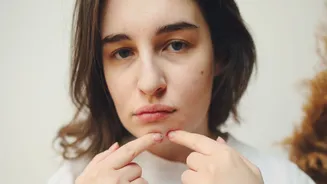
The summer season often ushers in a rise in body acne, particularly on areas like the back, chest, and shoulders. This phenomenon isn't just about heat;
it's a confluence of environmental factors and our lifestyle choices. Dermatologists explain that the combination of elevated temperatures, increased perspiration, high humidity, and friction creates an ideal breeding ground for skin issues. When sweat mixes with excess oil (sebum), dead skin cells, and the bacteria naturally present on our skin, it can lead to clogged pores. Furthermore, wearing tight, synthetic clothing traps this mixture against the skin, intensifying friction and exacerbating breakouts, a condition sometimes referred to as acne mechanica. Even the application of heavy, pore-clogging lotions or sunscreens without careful consideration of their formulations can contribute significantly to these unwelcome summer breakouts.
Post-Workout Pitfalls
Your habits after exercising during the summer can unintentionally worsen body acne, beyond just the general environmental conditions. Many individuals make the mistake of remaining in their sweat-soaked gym clothes for extended periods, delaying their post-workout showers, or resorting to aggressive scrubbing in an attempt to deep-clean their skin. These practices, while seemingly aimed at cleanliness, can actually aggravate breakouts. The snug fit of activewear, combined with accumulated sweat and oils, creates a warm, moist environment that encourages bacterial proliferation. Therefore, a structured and timely post-exercise hygiene routine is crucial, especially when dealing with the challenges of summer heat and humidity.
Revamping Your Routine
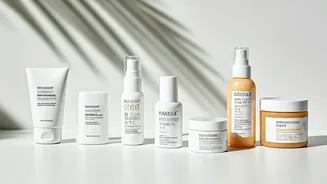
Addressing body acne requires a skincare approach as diligent and targeted as that for facial acne. A fragmented strategy is insufficient; a consistent, full-body regimen is necessary. Incorporating salicylic acid-based body washes can be highly beneficial, as this ingredient helps to exfoliate the openings of hair follicles and reduces the presence of acne-causing bacteria. Benzoyl peroxide is another highly effective over-the-counter treatment, available as both a wash and a leave-on product for targeted application on affected areas. For more persistent or severe cases, dermatologists may recommend topical retinoids, oral antibiotics, or procedural interventions such as chemical peels and specialized light therapies. It's important to remember that body acne is a dermatological condition, not solely a hygiene issue, and warrants appropriate medical attention and evidence-based care.
Daily Habits Matter
Beyond post-workout care, several daily habits significantly impact body acne. Not showering promptly after exercise is a primary culprit, allowing sweat, oil, and bacteria to linger and clog pores. Opting for loose-fitting, breathable fabrics like cotton or linen over tight, synthetic materials is essential to prevent trapped heat and moisture, thereby reducing friction and irritation. Using harsh soaps and body washes can strip the skin of its natural oils, leading to dryness and inflammation that can worsen acne; gentle, non-comedogenic cleansers are a better choice for acne-prone skin. Regular exfoliation, 1-2 times a week, helps remove dead skin cells but over-exfoliation can be detrimental. Protecting the skin from sun exposure with sunscreen is vital, not just for preventing sunburn but also for avoiding post-inflammatory hyperpigmentation. While diet and stress aren't the sole causes, certain high-glycemic index foods, dairy, and processed items can trigger breakouts in some individuals, and managing stress through practices like yoga or meditation can positively impact skin health.