





Choosing Your Cereal
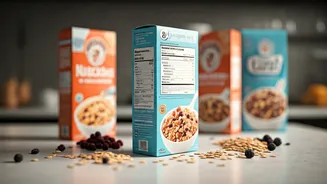
Selecting a breakfast cereal can be a daunting task, with colorful packaging and bold claims often masking the actual nutritional value. To make an informed
decision, prioritizing specific nutritional markers is crucial. A dietician emphasizes the importance of looking for cereals that are low in added sugars, ideally containing no more than 5 grams per serving, to prevent energy slumps and long-term health issues like diabetes. Simultaneously, a high fiber content, aiming for at least 3 grams per serving, is vital for aiding digestion and promoting a feeling of fullness, which can help manage appetite throughout the morning. The preference should lean towards cereals made from whole grains, as these offer a richer profile of essential vitamins, minerals, and antioxidants that contribute to a reduced risk of chronic diseases. Additionally, protein plays a significant role in satiety and maintaining muscle health. While some cereals offer protein, it can be easily boosted by pairing them with other protein-rich foods such as milk, yogurt, or a handful of nuts. Fortified cereals can be a good source of additional micronutrients, but it's always best to scrutinize the complete nutrition label to understand what you're consuming, rather than relying solely on fortification claims. Ultimately, careful examination of the nutrition label is the most effective strategy for ensuring your cereal aligns with your dietary goals and provides a healthy start to your day.
Cereal Nutritional Showdown
When examining popular breakfast cereals, their nutritional compositions can differ dramatically, impacting their health benefits. Muesli, typically a blend of raw oats, nuts, seeds, and dried fruits, stands out for its nutritional profile. A half-cup serving generally provides around 4 grams of dietary fiber and 3.6 grams of protein, with a calorie count of approximately 151 kcal. Its naturally occurring sugars, without added sweeteners, contribute to steady energy release and support digestive well-being. In contrast, granola, which is baked and often contains added oils and sweeteners, tends to be more calorically dense, around 212 kcal per half-cup. It also boasts a higher sugar content, potentially reaching up to 15.5 grams, and a significant amount of fat alongside about 5 grams of protein. These higher sugar and fat levels can be less conducive to weight management and maintaining stable blood sugar levels. Cornflakes, derived from milled corn, usually offer a lower fiber content, around 1.2 grams per serving, though they are often fortified with various micronutrients. However, their higher proportion of simple carbohydrates and added sugars can lead to rapid spikes in blood glucose. Among the least healthy options are chocolate cereals, which are typically laden with high amounts of added sugar and very little fiber, making them a less desirable choice for regular consumption.
Cereal's Role in Diet
The question of whether breakfast cereals should be a regular part of one's diet is met with a qualified 'yes' from experts, provided the right choices are made. Scientific evidence suggests that cereals, particularly those rich in whole grains and dietary fiber, can indeed be a beneficial component of a balanced breakfast. Varieties based on oats, barley, or psyllium have demonstrated positive effects, including cholesterol reduction and improved bowel function, supported by strong scientific evidence. Furthermore, individuals who consume breakfast cereals tend to have higher intakes of essential vitamins and minerals, consume less total fat, and generally exhibit better overall diet quality. This can translate into a lower body mass index and a reduced prevalence of being overweight or obese, according to research. For optimal health advantages, the ideal cereal contains less than 5 grams of added sugar and at least 3 grams of fiber per serving. Enhancing the nutritional value and satiety of a cereal breakfast can be achieved by combining it with protein sources like yogurt or nuts, which also helps in managing blood sugar levels. While other breakfast alternatives such as eggs, smoothies, or whole-grain toast are equally nutritious, cereals offer a convenient and nutrient-dense option when chosen thoughtfully and integrated into a varied eating pattern.