







Market's Recent Performance
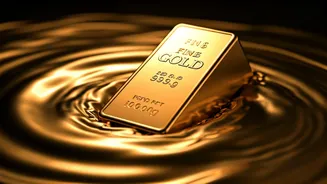
The gold market recently demonstrated a strong upward trend, which has drawn the attention of investors and analysts alike. Gold prices increased by Rs
2,000, signaling a robust rally in the market. Simultaneously, silver also showed a positive performance, gaining Rs 10,000. These gains are particularly noteworthy given the volatile nature of the financial markets. The movements in gold and silver prices often mirror broader economic sentiment and investor confidence, offering insights into market perceptions of risk and opportunity. It is important to note that these figures represent significant shifts in the value of these precious metals, reflecting a dynamic environment shaped by various factors.
Global Economic Influences
Several global economic factors are contributing to the rise in gold prices. Economic uncertainties, such as concerns over inflation and potential recessionary pressures, often drive investors toward safe-haven assets like gold. Inflation erodes the purchasing power of money, which makes gold an attractive hedge against this risk. Moreover, geopolitical tensions and instability also tend to boost gold prices. As investors seek to protect their wealth during times of global uncertainty, they often turn to gold. The performance of major economies, including the US, China, and the Eurozone, also plays a crucial role. Economic data releases, monetary policy decisions by central banks, and shifts in global trade dynamics all influence investor sentiment and the demand for gold.
Impact of US Policy
The policies of the US Federal Reserve (the Fed) significantly impact the gold market. Decisions about interest rates and quantitative easing or tightening have direct consequences on the attractiveness of gold. When interest rates are low or falling, gold becomes more appealing as a non-yielding asset, which can drive prices higher. Conversely, when rates rise, the opportunity cost of holding gold increases, potentially putting downward pressure on prices. The Fed's stance on inflation, economic growth, and employment guides its monetary policy decisions. These actions are carefully watched by investors who then adjust their portfolios based on their outlook for the economy. The US dollar's strength or weakness, also influenced by the Fed’s policies, has an inverse relationship with gold prices. A weaker dollar generally makes gold more affordable for international buyers, which can increase demand.
Geopolitical Developments
Geopolitical events create volatility, making gold an attractive safe haven. The rising conflicts and tensions in different parts of the world lead investors to seek refuge in assets like gold. Investors' flight to safety boosts demand, which, in turn, pushes up prices. Political instability and any uncertainties related to international relations affect the prices of gold. Trade wars, sanctions, and other geopolitical developments often increase uncertainty. Gold's role as a hedge against geopolitical risk has been evident in recent years, with price movements often reacting swiftly to political events. Because gold is a tangible asset and holds value irrespective of political outcomes, it is a favored asset during times of global unrest, providing investors with a degree of stability and security.
Demand From India
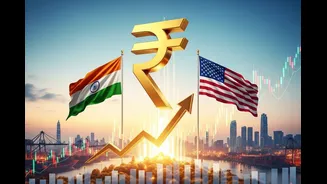
India's influence on the gold market is substantial, as it is one of the world's largest consumers of gold. The country’s cultural practices, like weddings and festivals, typically drive significant gold purchases. During auspicious periods, demand tends to increase, influencing prices globally. Economic growth and rising disposable incomes in India boost demand for gold. As the economy expands, a growing middle class has more financial resources to invest in precious metals. Regulatory changes, such as import duties and government policies, can also affect gold prices. The government’s approach to gold import regulations and taxation impacts the availability and cost of gold, thereby influencing market dynamics. Furthermore, the Indian rupee's performance against the US dollar affects the domestic prices of gold, impacting consumer behavior and market trends.
Future Market Outlook
Predicting the future direction of gold prices requires a nuanced understanding of economic and geopolitical factors. Analysts constantly monitor economic indicators, central bank policies, and global events to forecast market trends. Key factors to watch include inflation rates, interest rate decisions, and currency movements. Any shifts in these factors will inevitably influence investor sentiment. Geopolitical developments, such as armed conflicts or changes in global alliances, can significantly affect gold prices. The future also relies on consumer behavior and demand from major markets such as India and China. While it is impossible to predict the market with certainty, keeping an eye on these factors will give investors and analysts the best possible understanding.