








Tax Cut Announced
In a significant development for the Indian aviation sector, the Maharashtra government has implemented a substantial reduction in the Value Added Tax
(VAT) levied on aviation turbine fuel (ATF). The tax rate has been slashed from a considerable 18% down to a much more manageable 7%. This strategic policy adjustment is a direct response to the mounting financial strain faced by airlines, which have been struggling with sharply increasing fuel costs. The ongoing geopolitical tensions in West Asia have exacerbated the situation, leading to disruptions in global energy supply chains and driving up the price of jet fuel. This VAT reduction is intended to provide immediate financial relief to carriers, helping them to better manage their operational expenditures in a challenging economic climate. The measure is expected to particularly benefit air travel operations within Maharashtra, a state that hosts one of India's busiest aviation hubs.
Impact on Airlines
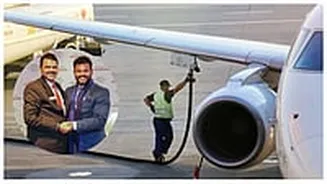
The decision to lower VAT on aviation turbine fuel by the Maharashtra government is poised to deliver tangible benefits to airlines, especially those operating out of the region. Jet fuel constitutes a substantial portion of an airline's total expenditure, often accounting for between 35% and 40% of their operating costs. By reducing the tax burden on this essential commodity, the government is directly impacting refuelling expenses. This is particularly impactful for Mumbai, India's second-largest airport and a critical node in the nation's air traffic network, handling approximately 15% of all domestic air movements. Beyond Mumbai, airports in Pune and Nagpur are also anticipated to see a positive effect from this tax relief. The move is strategically designed to make air travel more economically viable for airlines and potentially translate into more stable ticket prices for consumers, fostering a healthier aviation ecosystem.
Government Push
This tax reduction by Maharashtra is part of a broader initiative from the Ministry of Civil Aviation, which has been actively advocating for states to reconsider their Value Added Tax (VAT) rates on aviation turbine fuel (ATF). The ministry has engaged with several key states, including Maharashtra, Delhi, Tamil Nadu, and West Bengal, urging them to lower their levies on jet fuel, as these states were identified as charging some of the highest taxes in the country. The current move by Maharashtra not only provides relief but also enhances its competitive standing, particularly against Delhi, where the VAT on jet fuel remains at a higher 25%. This disparity in taxation had previously put airlines at a disadvantage when choosing operational bases or refuelling points. By aligning its tax structure more favourably, Maharashtra aims to attract and retain more air traffic, benefiting both the state and the aviation industry.
Global Fuel Surge
The recent tax cut by Maharashtra comes at a critical juncture, marked by a significant surge in global jet fuel prices. In the week ending May 8, average global jet fuel prices climbed to USD 162.89 per barrel, a steep increase from USD 99.40 per barrel recorded at the close of February. This dramatic price escalation has put immense pressure on airline profitability. The industry has long highlighted how India's tax framework inadvertently inflates jet fuel costs. This is because VAT is calculated as a percentage of the fuel's price, meaning that any increase in global crude oil prices automatically leads to higher VAT amounts. This dynamic has made it challenging for airlines to manage their costs effectively, even when fuel prices were more stable. The current geopolitical climate has further exacerbated these cost pressures, making the tax relief timely.
Industry Demands
A persistent demand from the aviation industry has been the inclusion of aviation turbine fuel (ATF) under the Goods and Services Tax (GST) regime. Proponents of this change argue that bringing ATF under GST would significantly streamline operational costs by allowing airlines to claim input tax credit on their fuel purchases. This mechanism is common for other business inputs and is seen as a crucial step towards making the aviation sector more efficient and competitive. Currently, airlines cannot claim such credits on jet fuel, leading to an embedded cost that impacts their bottom line. The ongoing high fuel prices and geopolitical uncertainties have amplified the urgency of this demand, as airlines look for sustainable solutions to manage their challenging financial landscape and maintain operational viability.
Airline Responses
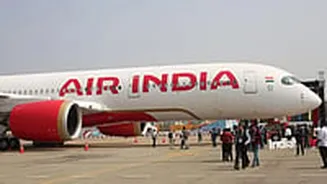
The heightened cost of jet fuel has already prompted significant operational adjustments within the aviation sector. Notably, Air India, a prominent carrier owned by the Tata Group, recently announced a temporary reduction in certain international flight services, a measure planned to last for three months. This decision was a direct consequence of the soaring fuel prices, with the airline warning that further service cuts might be necessary if jet fuel costs remain elevated. This temporary scaling back of operations underscores the severe impact that fuel expenses can have on an airline's network planning and service delivery. The tax relief provided by Maharashtra is therefore a welcome intervention, offering a degree of short-term respite as airlines navigate these turbulent conditions, striving to balance operational demands with financial sustainability.