






The Oval Window Enigma
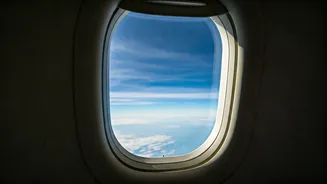
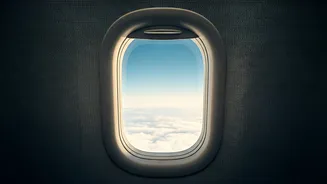
The distinctive oval shape of airplane windows is far from an arbitrary design choice; it's a critical element of structural integrity and passenger safety.
Historically, early aircraft experimented with square windows, but their sharp corners proved to be problematic. These corners acted as stress concentrators, points where the immense pressure differences between the cabin interior and the external atmosphere would accumulate. Over time, these concentrated stresses could lead to microscopic cracks, potentially compromising the aircraft's fuselage. The transition to rounded or oval windows elegantly solves this issue by distributing pressure evenly across the frame and surrounding structure, significantly enhancing the aircraft's ability to withstand the rigors of high-altitude flight. This thoughtful design ensures that the cabin pressure flows smoothly, preventing weak points and bolstering overall safety during every journey.
Safety and Illumination
The practice of dimming cabin lights during take-off and landing is a vital safety measure rather than a mere aesthetic choice. This deliberate reduction in illumination serves a dual purpose for both passengers and the flight crew. It allows everyone's eyes to acclimate to lower light levels, preparing them for the unlikely but critical event of an emergency evacuation. In such a scenario, whether it's during the initial ascent or the final descent, having eyes adjusted to dimness means passengers can more readily spot exits and navigate safely through the cabin. Furthermore, it assists the crew in quickly identifying any external hazards that might be visible through the windows during these critical phases of flight, contributing to a more responsive and effective response to unforeseen circumstances.
Essential Rules Explained
Several common in-flight procedures are rooted in practical safety considerations. The instruction to close tray tables during take-off and landing is to ensure clear, unobstructed pathways for a swift evacuation, minimizing potential injuries. Similarly, unfastening seat belts during refueling allows for rapid egress in the rare event of a fire. The requirement to switch mobile devices to airplane mode, while not critical for preventing explosions, is to mitigate potential interference with the aircraft's sensitive communication and navigation systems. These rules, often perceived as minor inconveniences, are meticulously designed to maximize passenger safety and operational efficiency throughout the flight.
Sensory Shifts in Air
The often-discussed difference in the taste of airplane food is a fascinating consequence of the unique environment within the aircraft cabin. At cruising altitudes, the reduced air pressure and low humidity significantly affect our senses. Specifically, these atmospheric conditions can dull our taste buds by as much as 30%, making flavors appear less intense and more bland than they would on the ground. This phenomenon requires chefs and caterers to adjust their recipes, often incorporating bolder seasonings and spices to compensate for the muted sensory experience. Thus, what might seem like a culinary shortcoming is actually a direct result of the physiological effects of flying at high altitudes.