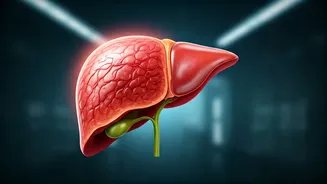







Understanding Cirrhosis Reversibility
When first diagnosed with cirrhosis, the immediate question often revolves around the possibility of reversing the condition. Experts explain that the answer
hinges significantly on the stage at which the disease is detected. In early phases, with appropriate medical intervention and dedicated lifestyle modifications, some of the liver damage might indeed be partially rectified. However, once significant scarring has irreversibly set in, particularly in advanced stages of cirrhosis, the liver's structure is permanently altered, making full reversal unlikely. At this juncture, the medical focus pivots from reversal to diligently preventing any further deterioration of the liver's function and health.
Improving Liver Function Through Treatment
The prospect of improving liver function post-cirrhosis diagnosis is a critical concern for patients. Fortunately, especially in the nascent stages of the disease, a combination of targeted treatments and significant lifestyle adjustments can indeed lead to improvements. The cornerstone of this improvement lies in proactively addressing and managing the primary underlying cause. Whether it's abstaining from alcohol, effectively treating chronic infections like hepatitis B or C, or adopting a healthier dietary pattern, mitigating these triggers can demonstrably slow the disease's progression. In some instances, this diligent management can even facilitate partial healing of the liver tissue.
Essential Lifestyle Transformations
Beyond medical treatments, adopting specific daily habits is paramount for effectively managing cirrhosis. The absolute cessation of alcohol consumption is non-negotiable, as it directly inflicts further damage on an already compromised liver. Embracing a balanced diet, characterized by reduced salt intake, is also crucial for managing fluid retention and other potential complications. Maintaining a healthy body weight through consistent, appropriate physical activity further supports overall liver health. Regular medical check-ups are indispensable for close monitoring of the condition and making timely adjustments to the treatment plan. Furthermore, diligently managing any co-existing medical conditions and strictly avoiding self-medication without professional guidance are vital protective measures.
Therapeutic Interventions for Cirrhosis
The primary objective of current medical treatments for cirrhosis is to effectively halt or significantly decelerate the progression of the disease, rather than aiming for complete reversal in all cases. This involves a multifaceted approach, focusing intently on managing the specific ailment that triggered the cirrhosis in the first place. For instance, patients with viral hepatitis may receive antiviral therapies designed to suppress the virus. Medications are also employed to manage and mitigate various complications that can arise from liver dysfunction. As previously emphasized, strict and unwavering avoidance of alcohol is a cornerstone of any treatment regimen. Complementing these treatments, consistent nutritional support and regular, thorough medical monitoring are equally vital components in preserving the patient's quality of life and overall health.
Liver Transplant Considerations
In situations where cirrhosis has progressed to an advanced stage, and the liver's functionality is severely impaired, a liver transplant emerges as a vital, often the only, viable treatment option. This surgical procedure involves replacing the diseased liver with a healthy organ from a donor. While it is a major undertaking, the long-term outlook for patients who undergo successful liver transplants is generally positive. With diligent post-transplant care, adherence to medication regimens, and ongoing medical follow-ups, many individuals can experience a significantly improved quality of life and can live for an extended period, often spanning 10 to 20 years or even more, post-surgery.