






The Darkness Imperative
The foundational element of any successful astrotourism venture is absolute darkness. A seemingly ideal location can be rendered useless by overpowering
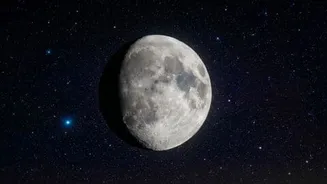
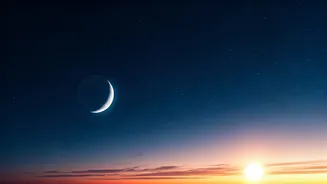
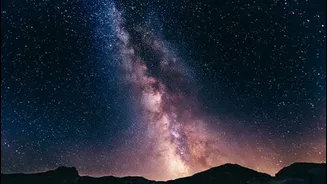
moonlight, diminishing the visibility of faint celestial wonders like the Milky Way or meteor showers. Therefore, planning must begin with the lunar cycle, prioritizing the period from the last quarter moon to a few nights after the new moon. This window, spanning roughly ten nights, offers the darkest skies, allowing for the unimpeded observation of stars and galaxies. Traveling to remote areas or certified Dark Sky Parks significantly enhances the likelihood of experiencing true darkness, free from light pollution. It's a stark reminder that darkness is not an inherent given but a precious resource that requires deliberate planning. Even at the darkest sites, a bright moon can transform a potentially awe-inspiring view into a mundane one, underscoring the need to plan around the moon's phase above all else.
Strategic Location Choices
Beyond darkness, selecting the right location is paramount for optimal astrotourism. Certified dark sky locations, especially those designated as Dark Sky Parks, are engineered to minimize light pollution, offering the clearest views. However, the Earth's curvature and atmospheric conditions also play a significant role in what you can see. Moving geographically, even by a few degrees, alters your perspective of the night sky. For instance, traveling south in the Northern Hemisphere can bring the brighter core of the Milky Way higher into view, making it more prominent. Venturing into the Southern Hemisphere reveals entirely new constellations. When choosing a site, consider its position relative to urban light domes; opting for locations south of major cities, rather than north, ensures the light dome doesn't obscure the southern celestial hemisphere. Furthermore, altitude is a critical factor. Higher elevations generally offer thinner, drier air, leading to clearer and sharper astronomical observations. Many world-renowned observatories are situated at high altitudes for this very reason.
Timing and Seasonality
Effective astrotourism planning hinges on precise timing, encompassing not only lunar phases but also seasonal and diurnal considerations. While planning backward from desired celestial events like the Milky Way's visibility (best in late summer to autumn for northern hemisphere observers) or specific meteor showers (checking for moonless nights) is a valid strategy, some astronomical phenomena dictate the schedule. Aurora viewing, for example, is best at higher latitudes (around 65 degrees north) and is significantly enhanced by a new moon, with March offering an increased likelihood due to the 'equinox effect.' Solar eclipses, by their nature, have fixed dates and often predetermined viewing locations. Crucially, one must sanity-check basic environmental factors for any chosen date and latitude. Will it be truly dark at that time and place? What are the historical cloud patterns like? Relying on climate data rather than wishful thinking is essential, as clear skies are not uniformly distributed. Coastal regions, in particular, warrant careful research into their rainy seasons, as assumptions can lead to disappointment. The duration of twilight is also season-dependent; in higher mid-northern latitudes, summer twilight can be so prolonged that it eliminates true darkness altogether, making May a critical window or necessitating travel to more southerly regions.
Building Redundancy and Planning Ahead
A singular clear night, however spectacular, is rarely enough for a truly satisfying astrotourism experience. To mitigate the inherent unpredictability of weather, it is vital to build redundancy into every trip. This means aiming for multiple opportunities to observe the night sky, ideally with the flexibility to relocate if initial conditions prove unfavorable. This flexibility might involve renting a car to move between vantage points, booking accommodation in several locations, or simply allocating ample time for the excursion. Arriving perfectly aligned with a new moon sounds ideal, but it also means that moonlight will begin to interfere within a few nights; therefore, arriving a week earlier might offer a broader window of opportunity. Ultimately, the predictable nature of celestial movements allows for long-term planning. Booking arrangements a year or two in advance ensures you can secure the best locations and times before they are taken, maximizing your chances of being under a perfect sky. While weather remains the final variable beyond your control, meticulous planning of all other factors is the key to successful astrotourism.