

The Magic of Dry Heat
Dry heat cooking relies on hot air or fat to cook food, intensifying flavors and creating appealing textures without the addition of moisture. This method
is fantastic for developing rich, caramelized crusts and tender interiors in a variety of dishes. Unlike moist heat methods that rely on water or steam, dry heat draws out natural moisture, concentrating the inherent tastes of ingredients. Think of the satisfying crackle of roasted chicken skin or the golden crispness of fried potatoes – these are the hallmarks of successful dry heat application. It's a fundamental technique that underpins countless culinary traditions worldwide, offering a broad spectrum of possibilities for home cooks and professional chefs alike. Understanding the nuances of each dry heat technique allows for greater control over the final outcome, ensuring delicious and well-cooked meals every time.
Roasting and Baking
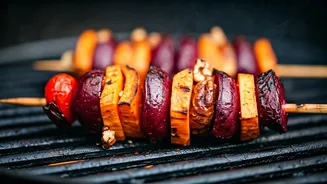
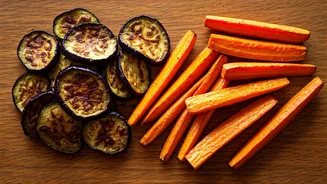
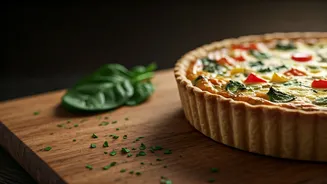
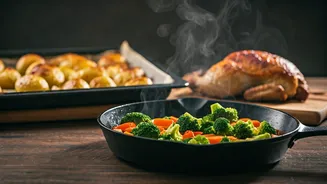
Roasting and baking are two closely related dry heat methods that utilize the pervasive warmth of an oven to cook food. Roasting is typically used for larger cuts of meat, poultry, and vegetables, aiming to achieve a beautifully browned exterior while cooking the interior evenly. The circulating hot air surrounds the food, creating a delightful crust and infusing it with deep, roasted flavors. Baking, on the other hand, is often associated with doughs and batters, transforming them into breads, cakes, cookies, and pastries. While both methods use dry oven heat, roasting often implies higher temperatures and a focus on browning, whereas baking can encompass a wider range of temperatures and aims for a more gentle, even cook, crucial for delicate items. The key is consistent oven temperature and adequate airflow to ensure even cooking and desirable textural development.
Sautéing and Pan-Frying
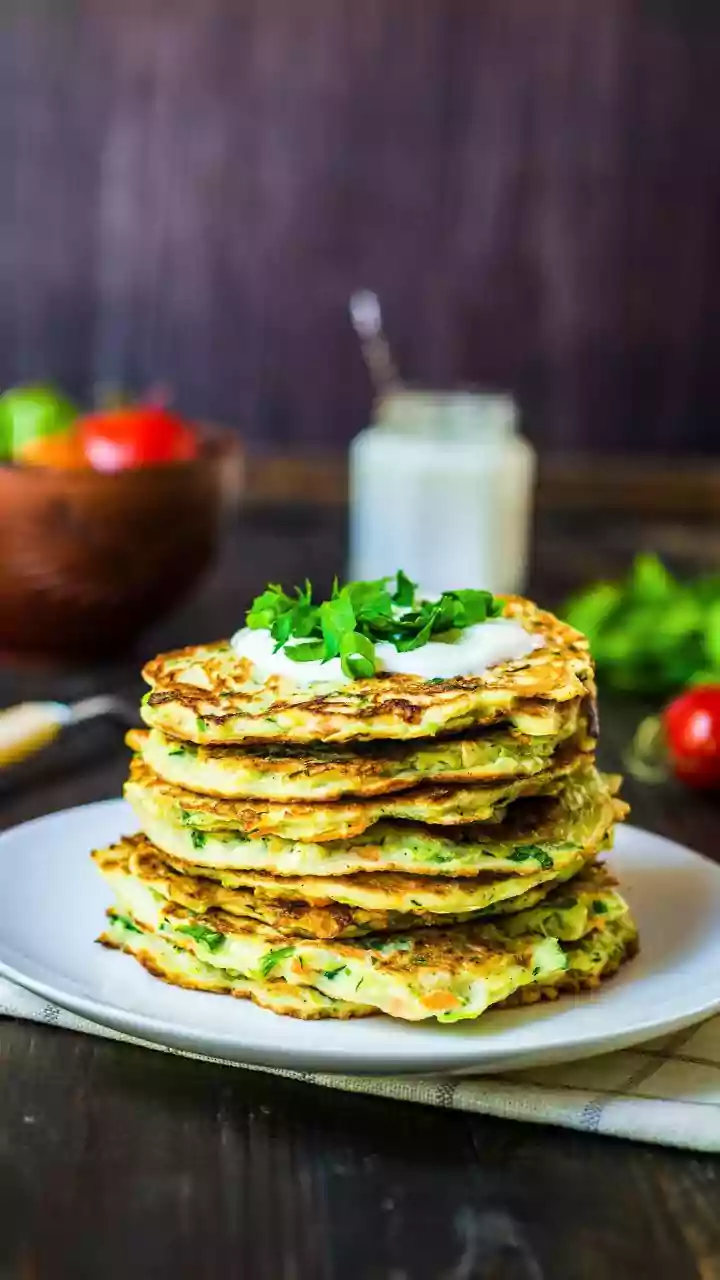
Sautéing and pan-frying are dynamic stovetop techniques that employ a hot pan with a small amount of fat to cook food quickly. Sautéing involves tossing or stirring ingredients rapidly in a hot pan, usually with a moderate amount of oil or butter, over medium-high heat. This method is ideal for small, uniformly cut pieces of vegetables and lean proteins, ensuring they cook through quickly while retaining a slight crispness and vibrant color. Pan-frying is similar but typically uses a larger quantity of fat and higher heat, allowing food to achieve a more pronounced golden-brown crust. It's perfect for items like fish fillets, chicken cutlets, or even pancakes, where a well-developed sear is desired. Both techniques require constant attention and the right heat management to prevent burning while achieving optimal browning and doneness.
Deep-Frying Mastery
Deep-frying involves submerging food entirely in hot oil, resulting in an exceptionally crispy and golden exterior. This method requires precise temperature control of the cooking oil, typically between 350°F and 375°F (175°C to 190°C), to ensure the food cooks through without becoming greasy or burnt. The hot oil rapidly transfers heat, creating a protective barrier that locks in moisture, leading to a tender interior and a delightfully crunchy shell. It's a technique best suited for foods that can withstand the intense heat and benefit from rapid cooking, such as battered seafood, fried chicken, french fries, and donuts. Using the correct type of oil with a high smoke point and maintaining the oil temperature are paramount for achieving safe and delicious results, making this a technique that demands respect and careful execution.