






The Slow Build-Up
Fatty liver disease doesn't appear suddenly; it's the result of consistent, daily dietary choices often amplified by modern office routines. In India,
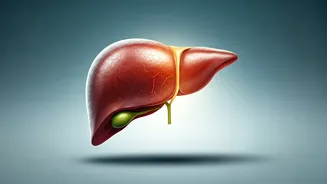
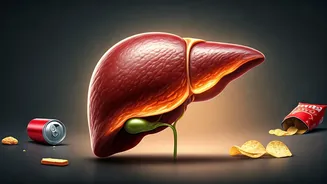
non-alcoholic fatty liver disease (NAFLD) is a growing concern, particularly among urban adults whose lifestyles are characterized by fast-paced corporate environments. This gradual accumulation of fat within liver cells is driven by factors like quick, unhealthy desk meals, excessive consumption of sugary drinks, large, carb-heavy lunches, late-night snacking, and overindulgence on weekends. Coupled with inadequate protein intake and prolonged periods of inactivity at work, these habits create a perfect storm that stresses the liver. The liver, a vital organ responsible for processing nutrients, detoxifying the body, and managing blood sugar, begins to store excess fat when inundated with sugar and unhealthy fats. This accumulation can eventually lead to inflammation, scarring, and more severe liver conditions, making the connection between corporate life and liver health undeniable.
Morning Sugar Spikes
Many office mornings commence with a quick coffee and a refined carbohydrate-laden snack like biscuits, white bread, or sugary cereal. These foods, rich in refined carbohydrates, are rapidly digested, causing sharp surges in blood sugar levels. The liver then converts this excess sugar into fat through a process known as de novo lipogenesis, leading to a gradual build-up of fat within liver cells each day. This repeated cycle of sugar spikes, exacerbated by a sedentary lifestyle, is a significant contributor to metabolic disorders, as highlighted in national health action plans. What seems like an innocuous, rushed breakfast can, when done repeatedly, set the stage for cumulative liver damage, as the liver effectively stores the daily excess.
Liquid Calorie Overload
The office environment often sees sweetened beverages like packaged juices, aerated drinks, and sugary coffees become constant companions, easily consumed during meetings and work breaks. These 'liquid calories' are particularly insidious because they bypass the body's natural satiety signals, leading to overconsumption without a feeling of fullness. Fructose, a common sweetener in these drinks, is primarily metabolized by the liver. Excessive intake of fructose significantly boosts fat production within the liver and exacerbates insulin resistance. Health recommendations emphasize limiting free sugars to less than 10% of total daily energy intake, underscoring that while these drinks may not seem like meals, they contribute substantially to the liver's metabolic load.
The Heavy Working Lunch
The convenience of food delivery apps has transformed office lunches into opportunities for heavy, fast meals, often comprising burgers, creamy pasta dishes, fried rice, and rich, butter-laden curries. These types of meals are typically high in saturated fats and refined carbohydrates. When consumed alongside prolonged periods of sitting, these lunches actively promote weight gain and the accumulation of abdominal fat, which is strongly linked to fatty liver disease. National health bodies have repeatedly identified rising rates of overweight and obesity, driven by such dietary patterns in urban settings, as key factors in the increase of metabolic diseases. The issue isn't necessarily the food itself, but the frequency, portion size, and the lack of subsequent physical activity, turning a daily lunch into a significant stressor for the liver.
Late-Night Eating Culture
Extended work hours, late meetings, and collaboration with international teams frequently push dinner times to 10 pm or later, with many office workers resorting to snacking while finishing tasks. This late-night eating disrupts the body's natural circadian rhythm, negatively impacting metabolic balance and worsening insulin sensitivity. When calories are consumed late and coupled with insufficient sleep, the liver's ability to process nutrients efficiently is compromised. Furthermore, sleep deprivation can heighten cravings for high-fat and high-sugar foods, creating a detrimental cycle that further burdens the liver and impacts overall health.
Weekend Indulgence Trap
Some individuals adopt a belief that disciplined eating during weekdays compensates for indulgent behaviour on weekends. However, binge drinking, even just once or twice a week, places significant strain on the liver. Alcohol is directly toxic to liver cells, and when its effects are combined with pre-existing fat accumulation from a poor diet during the week, the risk of liver inflammation and fibrosis escalates. Even moderate 'social' drinking can become detrimental when it is layered on top of the ongoing metabolic stress already imposed by unhealthy daily habits.
The Protein Deficit
Modern urban diets, while often calorie-dense, tend to be deficient in essential protein. Meals might be abundant in carbohydrates like rice and bread, and rich in fats, but critically low in quality protein sources. Protein plays a crucial role in maintaining muscle mass, which in turn enhances insulin sensitivity and aids in clearing glucose from the bloodstream. When protein intake is insufficient and physical activity is minimal, the body's tendency is to store more energy as fat, including within the liver. National dietary guidelines advocate for a balanced intake of macronutrients, stressing the importance of adequate protein from sources such as pulses, dairy, eggs, fish, or lean meats. A meal lacking sufficient protein, especially when high in calories, can lead to a state of being 'overfed but undernourished,' contributing to liver fat accumulation.
The Sedentary Stasis
Fatty liver disease is not solely attributable to dietary indiscretions; the profound lack of physical movement associated with office jobs is equally culpable. Corporate roles frequently demand 8-10 hours of continuous sitting, leading to significant physical inactivity. This sedentary lifestyle reduces overall calorie expenditure and exacerbates insulin resistance. Even regular visits to the gym may not fully mitigate the detrimental effects of prolonged sitting. Health organizations typically recommend at least 150-300 minutes of moderate physical activity weekly for adults. Consistent movement is vital for the liver to effectively utilize stored fat for energy; without it, fat storage continues unchecked, directly contributing to liver fat buildup.
Reversing the Damage
Fortunately, fatty liver disease is often reversible through straightforward lifestyle adjustments. Incorporating more fresh fruits, vegetables, whole grains, and lean proteins into the diet can significantly reduce fat deposition in the liver. Limiting sugary beverages and processed foods, maintaining consistent physical activity, and achieving a healthy body weight are paramount steps toward restoring liver health. Studies have shown that even a modest weight loss of 5-10% of body weight can lead to marked improvements in liver fat. A balanced diet, reduced sugar consumption, regular exercise, and adequate sleep collectively contribute to decreasing liver fat and inflammation. The key is not a single 'miracle' food, but rather a sustained, practical approach encompassing smaller portions, increased fibre intake, sufficient protein, less sugar, and more movement throughout the workday. True change stems from consistency, not necessarily perfection.