






Architectural Heritage Unveiled
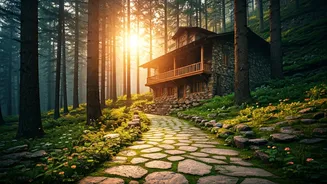
ART Village Naggar stands as a remarkable testament to the enduring legacy of Kathkuni architecture, a building tradition spanning roughly a millennium
in the Western Himalayas. This distinctive style masterfully integrates alternating layers of dry stone with timber beams, intricately interlocked at the corners without the use of mortar or nails. The structure itself, originally built in the 1920s by a local family, had fallen into disuse before being revitalized by Vijyendra Singh Thakur. His vision was to showcase the viability of preserving and adapting these resilient vernacular styles for contemporary living. The restoration process, spanning approximately four years, emphasized sustainability, utilizing nearly 90 percent of recycled materials. Salvaged wood from the dismantled roof, stones sourced from riverbeds, and foraged logs from forest floors were all incorporated. Even discarded materials from locals found new purpose, reflecting a deep respect for the environment. The interior walls retain their original crude mud plaster, a deliberate choice to honor the building's history. Beyond mere preservation, Thakur integrated modern amenities such as a rocket stove-based central heating system and solar panels for water heating, ensuring comfort without compromising the traditional aesthetic. Each room was thoughtfully extended to include ensuite bathrooms, adapting the historic structure to meet current standards while maintaining its authentic character. The furniture, all designed by Thakur himself, embodies a wabi-sabi aesthetic, with each handcrafted piece possessing a unique, asymmetrical charm.
Immersive Local Experiences
Beyond its architectural marvels, ART Village Naggar offers a profound connection to the local culture and environment. Visitors are encouraged to immerse themselves for at least three to four days, allowing ample time to absorb the stories woven into the fabric of the village and explore beyond its immediate surroundings. A suggested itinerary begins with a leisurely circuit through the centuries-old Kathkuni homes of Chachogi and the adjacent village of Rumsu. Here, insights into the age, history, logic, and construction techniques behind these unique structures are shared, highlighting how architecture influences daily life distinctly in each settlement. The following day offers a short, 15-minute drive to Naggar town, where a cluster of medieval Nagada-style temples, the historic 15th-century Naggar Castle, and the evocative home and gallery of Russian painter and philosopher Nicholas Roerich await. Roerich, who spent his final decades in this valley, left an extraordinary collection of Himalayan paintings, and his former residence continues to radiate his intellectual curiosity. Back at ART Village, local elders, intimately familiar with the history of every standing house in Chachogi, often lead engaging experiences. The village also hosts a volunteer program that attracts experts in various fields, including architecture, design, food, and writing. Some volunteers collaborate with Vijyendra on developing recipes, managing guest events, or enhancing the overall guest experience. Others lead walks and workshops, providing guests with hands-on learning opportunities. For the adventurous, nearby trailheads lead to Chanderkhani Pass, Rumtu Tibba, and Vasuki Nag Lake. The snowline treks, running from December through May, offer a chance to ascend into silent meadows, providing a truly transcendental experience. As dusk settles, the village comes alive with a communal bonfire, illuminating a sky untouched by city lights, fostering a sense of peaceful contemplation and bringing a perfect end to the mountain sojourn.
Culinary Delights and Farm-to-Table
The culinary experience at ART Village Naggar is an integral part of the guest's journey, centered around The Shepherd Cafe and Dining Hall. This unique establishment artfully blends traditional Himachali cuisine with subtle Mediterranean influences, creating a distinctive gastronomic offering. The menu is fluid and dynamic, dictated by the fresh produce harvested daily from the property's own vegetable garden. This farm-to-table philosophy ensures that every dish is prepared with the freshest, seasonal ingredients, celebrating the bounty of the land. Guests have the opportunity to deepen their culinary understanding through traditional cooking classes, conducted over authentic clay woodfire stoves. These sessions provide an intimate glimpse into age-old cooking techniques and local flavors. Alternatively, participants can join farm-to-table sessions, working alongside the village staff to prepare meals using whatever ingredients are available from the garden that day. The wood-fired pizzas, adorned with seasonal vegetables from the garden, have become a celebrated signature dish, embodying the simple yet profound connection between the land and the table. This approach not only delights the palate but also fosters a greater appreciation for sustainable food practices and the natural rhythm of the seasons. The dining experience is designed to be as nourishing for the soul as it is for the body, connecting guests directly to the source of their food.