






The Unfortunate Discovery
In April 2026, a trip to Bali took an unexpected and embarrassing turn for four Indian vacationers checking out of the Asvara Resort Ubud. As the guests
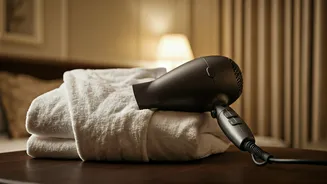
prepared to depart on April 19th, following a three-day stay that commenced on April 16th, observant hotel staff initiated a luggage inspection. This routine check, however, uncovered a peculiar collection of items packed away by the tourists. Among the discovered belongings were essential hotel amenities such as bath and pool towels, plush kimono robes, a crucial hairdryer, and even a doormat. Further inspection revealed that a TV remote box and some dining utensils had also been surreptitiously stashed. These items are standard fixtures within the resort's inventory, intended for the comfort and use of all guests during their stay, and are not considered complimentary takeaways like miniature toiletries or slippers often found in hotel rooms.
Amicable Resolution Reached
Following the discovery of the missing hotel property within the luggage of the four Indian tourists, the situation was swiftly addressed. Fortunately for all parties involved, the matter was resolved amicably, averting any escalation to legal proceedings. According to Iptu I Gusti Ngurah Suardita, the spokesperson for the Gianyar Police, the hotel and the guests reached a mutual understanding. All the recovered items were returned to the resort, and no formal police complaint was filed. This agreement ensured that the tourists were permitted to complete their checkout process without further incident, demonstrating a commitment to de-escalating the situation and prioritizing a peaceful resolution over punitive measures.
Social Media Frenzy Erupts
The incident rapidly gained widespread attention when a video capturing the luggage inspection began circulating across various social media platforms. The footage quickly sparked a global conversation, eliciting strong reactions from online users worldwide. Many viewers expressed a sense of embarrassment and disappointment, with comments frequently highlighting the potential negative impact on India's international image. Discussions online often pointed out the irony of tourists being able to afford international travel yet seemingly being unwilling or unable to purchase basic household items like towels or spoons. Phrases like "They can afford to travel abroad, but can’t buy spoons and towels?" and "Feeling so embarrassed watching this" were commonly echoed across numerous posts, underscoring a shared sentiment of shame among some Indian netizens. The viral nature of the video led to a broader debate about tourist etiquette and the distinction between complimentary items and hotel property.
Understanding Hotel Amenities
While it's a common practice for travelers to collect small, complimentary items provided by hotels – such as miniature toiletries, tea bags, or disposable slippers – there's a clear line that should not be crossed. Larger, more substantial items like bathrobes, hairdryers, and even doormats are integral parts of a hotel's infrastructure and are intended for repeated use by successive guests. Unlike the small, personal-use items that hotels often leave as a gesture of goodwill, these are fixed assets that contribute to the overall guest experience and operational costs of the establishment. This distinction is crucial for maintaining respect for hotel property and ensuring a positive experience for all visitors, preventing situations that lead to viral embarrassment and damage to a destination's reputation.