







Understanding Hantavirus Transmission
Hantaviruses, a group of viruses carried by rodents, can cause serious illness in humans. The primary mode of transmission occurs when people come into
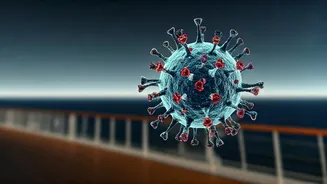
contact with the droppings, urine, or saliva of infected rodents. This often happens when individuals disturb contaminated environments, particularly during cleaning activities in infested areas or when engaging in outdoor pursuits in rural settings such as forests, fields, or farms. The recent incident aboard the MV Hondius has highlighted how concentrated travel environments, like cruise ships, can potentially amplify the spread of rare infections if initial detection is delayed. While most routine tourism is associated with very low risk according to global health organizations, the outbreak on the ship has ignited discussions about the possibility of onboard transmission, with the Andes variant being a particular focus. Symptoms typically manifest between one to eight weeks following exposure, with the most common incubation period being two to four weeks. Early indicators often include headaches, dizziness, chills, fever, general muscle aches, and gastrointestinal issues like nausea, vomiting, diarrhea, and abdominal discomfort. In more severe instances, these symptoms can progress to acute respiratory distress and a significant drop in blood pressure. Currently, there isn't a specific medical treatment or vaccine available; however, supportive care, including intensive medical intervention when necessary, can substantially improve patient outcomes. The fatality rates associated with hantavirus can vary considerably, being lower in regions of Asia and Europe but potentially reaching up to 50% in the Americas for certain strains if not addressed promptly.
Impact on Your Travel Plans
For the vast majority of individuals planning trips, the likelihood of encountering hantavirus remains minimal. Health authorities and experts consistently emphasize that this isolated event is not indicative of a widespread epidemic or a significant threat to general tourism. Hantavirus infections are inherently rare and are typically linked to direct exposure to rodents rather than to casual travel activities. Nevertheless, if you have a cruise booked, particularly one destined for remote or polar regions, it is advisable to adopt a proactive approach. It is prudent to inquire about the health and safety protocols implemented by cruise operators, specifically asking about their adherence to programs like the CDC’s Vessel Sanitation Program. Travelers returning from affected regions or those who have undertaken similar itineraries should remain vigilant for symptoms for up to 45 days post-trip and seek medical attention immediately if any arise. Implementing practical precautions at any destination is also recommended; this includes avoiding areas known to attract rodents, maintaining clean living spaces to deter pests, and steering clear of dusty environments such as attics or sheds in rural accommodations. Ensuring you have comprehensive travel insurance is crucial, as it can provide coverage for trip cancellations or medical emergencies stemming from such outbreaks. For those planning outdoor activities in areas where hantavirus is endemic, exercising extra caution during hiking, camping, or farm visits is highly advised. Passengers aboard the affected MV Hondius were urged to stay alert, and international health agencies are actively coordinating their response efforts. Early detection and intervention have proven critical in managing this particular situation.
Assessing Travel Safety
Navigating health uncertainties has always been an inherent part of travel, ranging from seasonal influenza on airplanes to localized outbreaks of various illnesses. While the hantavirus incident on the MV Hondius is undeniably serious for those directly impacted, it does not suggest that cruising or international travel in general is broadly unsafe. The overwhelming majority of journeys undertaken by travelers worldwide proceed without any health-related complications. At present, leading health experts are not advocating for widespread travel restrictions specifically due to hantavirus. Most reported cases are isolated incidents, and the virus is not considered to be highly transmissible in the manner of airborne respiratory viruses such as COVID-19 or influenza. Nevertheless, travelers are being encouraged to adopt a stance of informed caution rather than succumbing to fear. Maintaining good personal hygiene practices, being aware of potential symptoms, and paying close attention to official health advisories remain essential, especially when journeying to remote areas or environments where exposure to rodents might be a possibility. Currently, experts believe that widespread panic is unnecessary. However, a mindful and informed approach, particularly within shared travel environments, has subtly evolved into an integral aspect of modern travel. As ongoing updates emerge from the MV Hondius situation and contact tracing efforts continue, staying informed through credible and reliable sources serves as your most effective defense. Wishing you safe travels!