





The Fading Sky
In an era dominated by the perpetual glow of urban centers, the natural splendor of the night sky has become increasingly elusive for many. As metropolitan
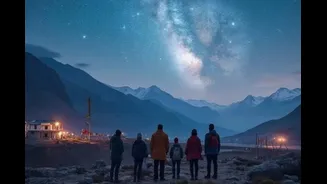
areas expand and their artificial illumination intensifies, the once-familiar tapestry of stars, constellations, and the Milky Way is gradually receding from view. This diminishing celestial spectacle has inadvertently sparked a counter-movement among a growing segment of travelers. These adventurers are consciously choosing to depart from light-polluted metropolises, embarking on quests for an experience that connects them with the timeless expanse above. This yearning for authentic, unadulterated night skies is precisely what is fueling the rise of astro-tourism across India, transforming a passive observation into an active, sought-after travel pursuit.
Celestial Experiences Bloom
The appeal of astro-tourism is deeply rooted in the stark contrast between city life and remote tranquility. As pollution and excessive artificial lighting obscure the heavens in bustling urban landscapes, the simple act of gazing upwards transforms into a rare and treasured luxury. Hospitality providers are keenly responding to this shift, actively promoting properties situated in regions blessed with minimal light pollution, higher altitudes, or secluded locales. These destinations provide the pristine conditions necessary for guests to truly engage with the celestial panorama. Hotels are highlighting their locations as sanctuaries where the night sky authentically comes alive, allowing visitors to witness the Milky Way, identify constellations, and, with luck, even spot meteor showers. This growing demand underscores a fundamental desire to reconnect with natural phenomena often overlooked in daily life.
Beyond Simple Stargazing
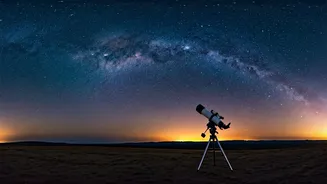
Astro-tourism is rapidly evolving beyond mere passive observation of the night sky, transitioning into a more profound, experience-driven form of travel. This evolving trend is artfully weaving together elements of science, captivating storytelling, and the raw beauty of nature. Industry experts anticipate that by 2026, astro-tourism will emerge as a significantly exciting and prominent segment within India's experiential travel market. This includes a palpable surge in interest for meticulously organized night-sky adventures. Such experiences encompass a wide array of activities, from engaging in telescope-based stargazing sessions and honing astrophotography skills to participating in serene moonlight meditation or embarking on cultural tours that interpret the stories held within the constellations. This diversification signals a move towards a more holistic and interactive engagement with the cosmos.
Expanding Astro-Destinations
While destinations like Hanle and Spiti Valley have already garnered substantial attention, with organized stargazing events frequently reaching full capacity, the geographical scope of astro-tourism is continuously expanding. The emerging map of celestial hotspots now includes a diverse range of locations across India. Notable among these are Dhordo in Gujarat, Kaza in Himachal Pradesh, Munsiyari in Uttarakhand, Shaheed Dweep in the Andaman Islands, Turtuk in Ladakh, and Kalpa. Additionally, regions like Coorg and even the Pench Tiger Reserve are being recognized for their potential as prime hubs for astro-tourism. This widespread recognition indicates a national effort to identify and develop areas with the necessary dark sky conditions, making these celestial wonders accessible to a broader audience.
Sustainable Skies, New Opportunities
A significant and promising aspect of the astro-tourism trend is its harmonious intersection with rural and sustainable tourism initiatives. Several Indian states are proactively identifying and earmarking villages that possess ideal dark-sky conditions for development into dedicated 'Astro Villages.' This strategic approach serves a dual purpose: it fosters new economic avenues for local communities while simultaneously championing the preservation of natural darkness, an increasingly precious and finite resource. This model ensures that the growth of astro-tourism contributes positively to local economies and environmental conservation efforts, creating a sustainable ecosystem that benefits both travelers and residents.
The Quest for Wonder
At its fundamental level, the surge in astro-tourism reflects a significant evolution in traveler preferences. Contemporary tourists are increasingly moving away from superficial sightseeing itineraries and actively seeking more profound, immersive experiences. The allure lies in activities that foster a genuine connection with the natural world, ignite intellectual curiosity through scientific exploration, and evoke a powerful sense of awe and wonder. In our hyper-connected, perpetually active modern existence, the deliberate act of stepping into profound silence and gazing at an untouched night sky offers a rare and invaluable gift: perspective. This profound sense of wonder is arguably the most potent catalyst driving the widespread adoption of astro-tourism.