






Dangerous Anatomy Revealed
Cassowaries possess several physical characteristics that contribute to their fearsome reputation. They are imposing birds, typically standing between
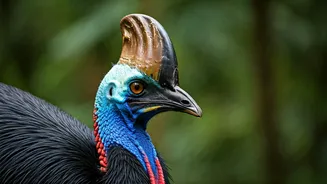
5 to 6 feet tall and weighing up to 130 pounds. Their most remarkable feature is the bony casque atop their head, which is believed to aid in navigating the dense rainforest undergrowth and possibly for communication. The birds' powerful legs are armed with sharp claws, with the inner toe sporting a dagger-like claw that can measure up to 5 inches long. This formidable claw is their primary weapon, capable of inflicting severe wounds. Their dark, iridescent plumage provides excellent camouflage within their forest habitats, and their strong beaks are well-suited for consuming various fruits and seeds. The combination of size, strength, and weaponry makes them capable of defending themselves, which they do with a fearsome intensity when provoked, thus contributing to their dangerous status.
Human Encounters Analyzed
While cassowaries are often depicted as dangerous, the majority of human encounters do not involve aggressive interactions. However, a provoked cassowary can cause substantial harm. The birds are typically shy and avoid human contact if possible. Nevertheless, the situations where attacks occur often involve the bird feeling threatened, cornered, or defending their young. Feeding these birds can also lead to issues, because they may start associating people with food and become more assertive. If a cassowary feels threatened, they will use their powerful legs and clawed feet to attack. Most encounters result in injuries like deep cuts and bruising, and, tragically, there have been recorded fatalities. Education and awareness about cassowary behavior are essential to prevent dangerous incidents, including staying a safe distance, avoiding feeding them, and recognizing signs of aggression, such as ruffled feathers or a lowered head.
Dietary Habits Explored
Cassowaries have a varied diet, playing a crucial role in seed dispersal within their rainforest habitat. They mainly consume fallen fruits, seeds, and fungi. These birds are essential seed dispersers because they eat fruits whole, and the seeds pass through their digestive systems intact, enabling them to germinate in new locations. They also consume insects, small animals, and sometimes carrion to supplement their diet. Their ability to consume large fruits and disperse seeds over significant distances contributes to the health and diversity of the forest ecosystem. Their dietary choices vary depending on the season, with availability influencing the types of food they consume. Furthermore, cassowaries assist in regulating the forest's plant composition by choosing fruits from various species, helping to support a balanced and diverse plant community. This vital role in seed dispersal makes them a keystone species in their ecosystem.
Behavioral Patterns Examined
Cassowaries exhibit several behaviors adapted to their rainforest environment. They are generally solitary creatures, except during breeding season. The males take on the primary role in raising the chicks, constructing nests, and protecting the eggs. They are also known for their territorial nature, particularly during breeding or when protecting their offspring. They are not known for their flying abilities; instead, they navigate the dense undergrowth using their powerful legs. The males will vigorously defend their nests and chicks. Cassowaries communicate with a variety of vocalizations, including deep booming calls and hisses. These sounds are critical for maintaining their territory and communicating with other cassowaries. Their behaviors are closely connected to their survival and the preservation of the rainforest environment, showing how they have adapted to their surroundings.
Conservation Status Defined
Cassowaries are categorized as vulnerable due to habitat loss and fragmentation. Deforestation from agriculture, logging, and infrastructure development leads to a reduction in their natural habitat. Hunting also poses a threat, reducing their numbers within their ranges. These events limit breeding opportunities, as well as lead to isolation for different populations. Protecting and restoring habitats is critical to support the species’ survival. Conservation efforts include the establishment of protected areas, reforestation projects, and efforts to reduce hunting. Community education plays a vital part in promoting coexistence and a deeper understanding of the importance of these birds. Collaborations between conservation organizations, governments, and local communities are key in promoting effective strategies to protect and ensure the survival of cassowaries. With increasing efforts, the chance of preserving these unique birds grows stronger.