






Vitamin D's Healing Power
When nursing an injury, we often focus on rest, medication, and physical therapy, overlooking a critical nutritional component: Vitamin D. This vital nutrient
is more influential in the healing process than many realize, impacting everything from bone mending to muscle regeneration and controlling inflammation. Experts emphasize that a deficiency can dramatically slow down recovery. Whether you've suffered a fracture, a torn ligament, or a simple muscle strain, Vitamin D plays a direct role in how effectively your body repairs itself. Ensuring adequate levels is paramount for a swifter and more complete return to health.
Bone Strength and Repair
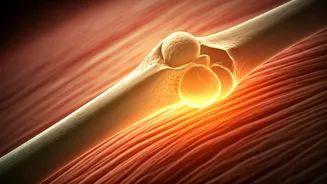
Vitamin D is fundamental to bone health, primarily by facilitating the body's absorption of calcium, the very foundation of our skeletal structure. Without sufficient Vitamin D, the body struggles to utilize calcium effectively, which is crucial for repairing broken bones. When a fracture occurs, the body initiates a complex healing sequence that requires a constant influx of minerals. Vitamin D acts as a key enabler in this process, ensuring that calcium is properly absorbed and utilized, leading to stronger, more robust bone regeneration. Insufficient Vitamin D can result in delayed healing or bones that don't regain their full structural integrity, increasing the risk of re-injury.
Muscle Recovery Support
Injuries don't exclusively affect bones; muscles and other soft tissues are equally vulnerable to damage. Vitamin D plays an instrumental role in maintaining muscle strength and ensuring proper muscle function. A deficit in this vitamin can manifest as increased muscle weakness and fatigue, significantly prolonging the recovery period for damaged muscle tissue. This aspect is particularly vital for individuals who lead active lifestyles or participate in sports, where muscle performance and resilience are paramount. Proper Vitamin D levels contribute to the restoration of muscle power and endurance post-injury.
Inflammation and Immunity
Following an injury, inflammation is a natural physiological response aimed at initiating the healing cascade. However, this inflammatory process needs to be carefully managed to prevent complications and ensure steady progress. Vitamin D is instrumental in regulating this inflammation, promoting a balanced and controlled healing environment. Beyond inflammation, Vitamin D also plays a supportive role in the immune system's function. A robust immune response is indispensable during the recovery phase, helping the body fend off potential infections and optimize the overall healing trajectory.
Post-Surgical Healing
Recovering from surgery, whether it involves joint replacement or intricate ligament repair, heavily relies on optimal nutritional support. Vitamin D is a key player in facilitating crucial post-operative healing processes, including the integration of bone implants and the repair of damaged tissues. Patients who maintain adequate Vitamin D levels often experience a faster recovery, regaining mobility and function more efficiently. Ensuring sufficient intake of this vitamin can significantly influence the success and speed of recovery after surgical interventions.
Recognizing Deficiency Signs
Many individuals remain unaware that their prolonged recovery period might be directly linked to low Vitamin D levels. Several subtle warning signs can indicate a deficiency, including persistent pain that doesn't subside as expected, noticeable muscle weakness, a tendency to suffer repeated injuries, and fractures that take an unusually long time to heal. It's crucial to recognize that healing encompasses more than just rest and therapy; nutritional deficiencies, particularly in Vitamin D, can silently impede progress if not identified and addressed promptly. Seeking medical advice can help pinpoint these deficiencies.
Sources and Supplementation
The most natural and accessible source of Vitamin D is sunlight. Regular, safe exposure to early morning sun can significantly contribute to maintaining healthy levels of this vitamin. Additionally, dietary sources like dairy products, eggs, and various fortified foods offer some Vitamin D. However, for many individuals, especially those with limited sun exposure or specific dietary restrictions, these sources may prove insufficient. In such scenarios, Vitamin D supplements might be considered. It is imperative, however, to use supplements only under professional medical guidance, as excessive intake can lead to adverse health effects. A balanced approach to obtaining Vitamin D is key.
Proactive Health Strategies
Adopting proactive health strategies can significantly contribute to preventing Vitamin D deficiencies and fostering a more resilient body, better prepared for injury recovery. Regular health check-ups are essential for monitoring nutrient levels and overall well-being. A diet rich in essential nutrients, coupled with an active lifestyle, forms a strong foundation for health. These habits not only help prevent deficiencies but also support faster and more effective healing should an injury occur. Ultimately, Vitamin D's impact on bones, muscles, and inflammation creates a comprehensive advantage for the body's recovery mechanisms, making it a non-negotiable component of healing.