
Early 2000s Fashion
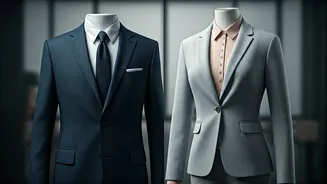
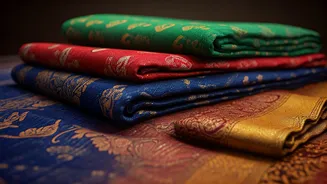
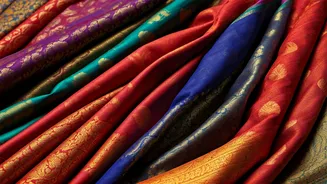
In the early 2000s, corporate dressing, particularly for women in India, was a nascent concept, often a compromise between traditional sarees and emerging
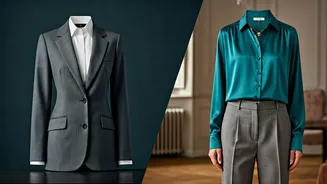
Western wear. The landscape was dominated by a negotiation between these two distinct styles, with Western options being either custom-tailored or readily available from department stores. This era saw the gradual introduction of brands that began to standardize and present workwear designed for professional women, laying the groundwork for a more defined corporate style. While the idea of 'power dressing' was nascent, it was a significant shift from the limited options previously available, hinting at a future where professional attire would become a more deliberate form of communication and self-expression within the workplace.
The Power of Presentation
Fashion has always served as a potent non-verbal communicator in professional settings, with clothing choices subtly conveying messages about identity, hierarchy, and authority. This was vividly illustrated in popular culture, which significantly influenced public perception of corporate attire. The narrative established that what one wears is not merely decorative but a strategic element in projecting an executive presence. This strategic communication through attire was particularly amplified for women, aiming to build trust, establish intent, and communicate decision-making capabilities. The impact of such visual cues was profound, shaping how power dynamics were perceived and expressed through wardrobe choices, from formal tailored ensembles to more relaxed yet polished casual wear.
Post-2010 Transformation
The period following 2010 marked a significant evolution in how authority was perceived and expressed through corporate dressing. While 'The Devil Wears Prada' initially championed dressing as a direct representation of hierarchical power, the subsequent decade saw a shift towards emphasizing individual branding and personal expression. Corporate coaching and training played a crucial role in guiding professionals to align their appearance with their specific roles, target audiences, and environmental contexts. This era moved away from a one-size-fits-all approach to power dressing, advocating for a more personalized strategy where individuality became a key component in defining professional authority and influence. This transition allowed for greater nuance and authenticity in workplace presentation.
Future of Workwear
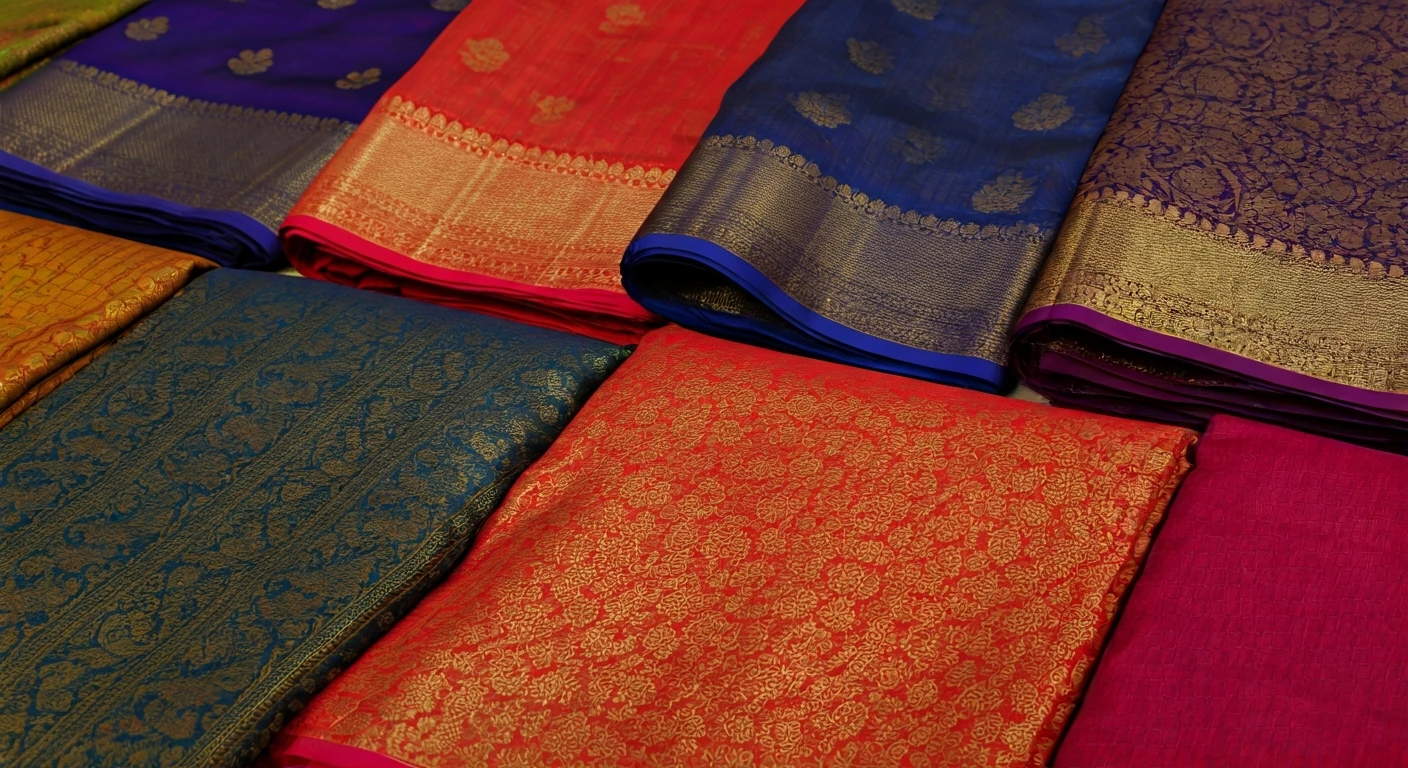
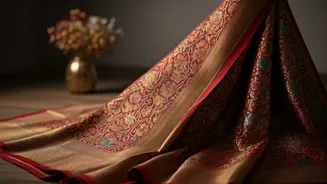
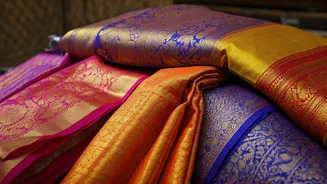
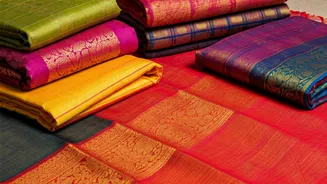
Looking ahead to 2026-27, industry trend forecasters are predicting a continued evolution towards more fluid and adaptable professional wardrobes. Concepts like 'city dressing' are emerging, bridging the gap between traditional office wear and understated luxury, suggesting a move away from rigid dress codes. The emphasis is shifting towards soft power dressing, where intention and individuality take precedence over strict adherence to formal rules. This could translate into thoughtful styling choices that convey confidence and gravitas without overt displays of dominance. Crucially, within the Indian context, the saree is expected to retain its prominence in corporate attire, albeit with potential shifts in fabric, drape, and styling, continuing to be a potent symbol of authority and cultural relevance while also embracing sustainable choices.