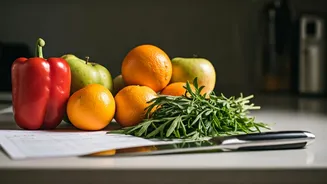








Shop Smart, Eat Well
The first essential tip revolves around making smart decisions before even entering the grocery store: never shop hungry. Impulse buys and unhealthy cravings
become more likely when your stomach is rumbling. Experts recommend having a meal or snack beforehand to help you stay focused and make healthier, more budget-conscious choices. Planning ahead is key, so create a detailed shopping list based on your meal plan for the week, ensuring you purchase only what you need and reducing the temptation to stray from your objectives. Remember, a well-fed shopper is a smart shopper, less likely to be swayed by tempting but unnecessary items. This foundational advice sets the stage for success in the subsequent strategies, keeping you on the path to becoming a savvy grocery shopper and a smart cook.
Embrace Ingredient Swaps
Next, learn to embrace ingredient substitutions when cooking. Professional cooks often rely on clever swaps to save money and get creative in the kitchen. For example, if a specific ingredient is unavailable or too costly, look for a similar alternative. Consider using pantry staples like beans or lentils in place of meat to stretch your budget. Be open to using different vegetables based on seasonality. This tip is particularly useful when you're working with a limited budget or want to reduce food waste. These substitutions not only save money but also open doors to culinary creativity, encouraging you to explore new flavors and techniques. By being flexible with ingredients, you will gain confidence, allowing you to prepare amazing meals.
Prep Produce ASAP
To prevent food waste and keep your produce fresh, prep your fruits and vegetables immediately after you buy them. Washing, chopping, and storing them properly extends their lifespan. This proactive approach saves time during the week, making it easier to whip up healthy meals quickly. Chop vegetables for salads, prepare fruit for smoothies, and portion out ingredients for recipes. This strategy also reduces the likelihood of throwing away spoiled produce, helping you get the most out of your grocery purchases. By integrating produce prep into your routine, you are setting yourself up for success, ensuring you always have ready-to-use ingredients at your fingertips, and making healthy eating simple.
Freeze Proteins Wisely
Protein, a crucial element in any balanced diet, is often a significant grocery expense. Avoid waste by freezing any extra protein you buy. Portion out meats, poultry, or fish into appropriate servings and store them in the freezer for future use. This practice extends the shelf life of your protein and allows you to buy in bulk. Moreover, this method allows for meal planning throughout the week. When you need a quick dinner, simply thaw the required portion. Proper freezing techniques, such as wrapping food tightly, prevent freezer burn and maintain the quality of the food. Freezing proteins is not only a practical money-saving tip but also a smart way to minimize food waste and make meal preparation easier and more versatile.
Love Leftover Makeovers
One of the best ways to maximize your grocery budget is to get creative with leftovers. Instead of letting them sit in the fridge, repurpose cooked meals into new dishes. Turn leftover roasted chicken into chicken salad or use leftover vegetables in a frittata or stir-fry. Repurposing leftovers not only reduces food waste but also adds variety to your meals. Moreover, you're more likely to enjoy a meal if you transform it into something new. Consider planning your meals with leftovers in mind, so you can intentionally cook extra portions for the next day. This resourceful practice not only saves money but also minimizes the time spent in the kitchen, allowing you to create satisfying meals effortlessly.
Plan with Overlaps
A valuable tip involves planning your meals, and it extends to considering the overlaps between different dishes. When you are planning your weekly meals, assess how you can leverage the same ingredients across multiple recipes. For example, if a recipe calls for carrots, you might plan another dish that uses them, reducing your overall grocery expenses. This method not only minimizes waste but also simplifies your cooking process. By consciously creating meals where ingredients can be utilized in multiple ways, you will cut down on preparation time and minimize the chances of food going unused. This strategic approach to meal planning is a key component to being an efficient and cost-effective cook, optimizing both time and resources.
Braising & Stewing Power
This final recommendation involves embracing the power of braising and stewing for flavor and stretching your budget. These cooking methods are excellent for maximizing the flavor and tenderness of cheaper cuts of meat and allowing you to incorporate a variety of vegetables. Braising and stewing involve slow cooking, which breaks down tough fibers and allows flavors to meld beautifully. They also result in hearty, satisfying meals that require minimal active cooking time. Moreover, these methods are adaptable and versatile, letting you customize ingredients and flavors to suit your preferences and what you have on hand. Learning to master braising and stewing unlocks a new level of culinary creativity, enabling you to create rich, flavorful dishes that are both economical and satisfying.