






The Karat Basics
Navigating the landscape of gold jewelry can seem daunting, especially when terms like 'karat' are thrown around without clear explanation. The karat system
is a straightforward measure of gold's purity, with 24 karats representing pure gold. However, this pure form, while 99.9% gold, is exceptionally soft and impractical for everyday wear, making it prone to scratches and damage. To enhance its resilience and suitability for crafting jewelry, pure gold is alloyed with other metals such as copper, silver, or zinc. The specific proportion of these alloying metals determines the final karat rating, influencing the gold's durability, color, and cost. Understanding this fundamental concept is crucial for appreciating why different karats exist and how they cater to diverse needs and preferences, from investment pieces to daily adornments.
Traditional Gold: 22k & 24k
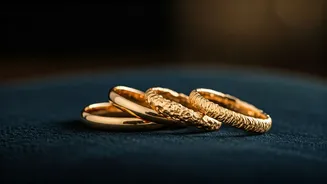
When it comes to traditional Indian jewelry and investments, 24k and 22k gold hold significant prominence. Pure gold, at 24k, boasts 99.9% purity but is far too delicate for anything other than investment items like bullion bars or coins due to its extreme softness. Moving to 22k gold, you're looking at a purity level of 91.6% pure gold, with the remaining percentage comprising alloy metals. This higher gold content imparts a rich, lustrous yellow hue that is highly coveted in traditional Indian bridal sets and heirloom pieces. While visually stunning and culturally significant, the lower durability of 22k gold means it's not the best choice for jewelry that will be subjected to the rigors of daily life, such as frequent wear or physical activity.
18k Gold: The Elegant Balance
Eighteen-karat gold strikes an appealing chord for those seeking that quintessential warm, luxurious yellow gold appearance combined with practical wearability. This composition consists of 75% pure gold, with the remaining 25% being alloy metals. The substantial gold content ensures a beautiful, tarnish-resistant finish and is generally well-tolerated by individuals with sensitive skin, making it a hypoallergenic option. Its slightly softer nature compared to lower karats means it warrants a degree of careful handling; therefore, 18k pieces are often best reserved for occasions or as cherished additions to a jewelry collection that are not intended for constant, high-impact wear. It represents a sophisticated compromise between opulent gold content and enhanced durability for special pieces.
14k Gold: The Durable Companion
For individuals who prefer to keep their jewelry on through every aspect of their day – from sleeping and showering to workouts – 14k gold emerges as the ideal choice. This variant offers that sought-after delicate, minimalist aesthetic while providing exceptional resilience. With a composition of 58.3% pure gold and 41.7% alloy metals, 14k gold significantly enhances durability, making it highly resistant to warping, denting, and scratching. While it might present a slightly paler shade of yellow compared to its higher-karat counterparts, this is a trade-off for its robust nature. The increased presence of alloy metals renders it incredibly strong and more budget-friendly, positioning it as an unbeatable option for everyday wearable jewelry and fashion-forward pieces designed to withstand an active lifestyle.
Understanding 2k Gold
Occasionally, you might encounter listings for '2k' gold online, sparking curiosity about a potentially significant bargain. However, the reality behind 2k gold is far from a great deal. This designation indicates a mere 8.3% pure gold content, with a substantial 91.7% comprised of base metals. Consequently, 2k gold lacks the desirable warm golden hue and tarnishes very quickly. It is also highly likely to cause skin discoloration, leaving behind the dreaded green mark. In most instances, a '2k' marking is not a genuine classification but rather a typographical error by a seller who intended to represent 22k or 24k gold. It's advisable to disregard such listings as they do not offer genuine gold value or aesthetic appeal.