








The Science of Yoga and Diabetes
Scientific research increasingly validates yoga's profound impact on health, aligning with ancient wisdom. Yoga's ability to stimulate internal organs
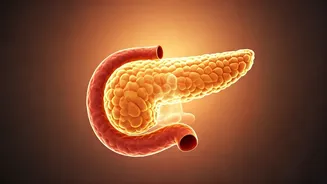
enhances metabolic efficiency, making it a valuable ally for individuals managing diabetes. Diabetes, characterized by issues with insulin production or cellular response, leads to significant metabolic imbalances. Studies published in journals like Evidence-Based Complementary and Alternative Medicine have indicated that regular yoga practice can lead to improvements in fasting glucose and cholesterol. Certain postures are believed to directly stimulate the pancreas, potentially rejuvenating its insulin-producing capacity. This ancient practice offers a complementary approach alongside conventional medical treatments, harmonizing the body, breath, and mind for overall well-being and better hormonal balance, including the effective utilization of insulin.
Poses for Pancreatic Health
Yoga offers specific asanas designed to directly benefit the pancreas and other vital abdominal organs crucial for diabetes management. Poses like Ardha Matsyendrasana, Dhanurasana, Vakrasana, Matsyendrasana, and Halasana are known to compress and stimulate the abdomen, encouraging the pancreas to release more insulin. This targeted action is believed to rejuvenate the insulin-producing beta cells in individuals with both Type 1 and Type 2 diabetes. Practicing these poses with a focus on breath and mindful relaxation, rather than exertion, aids in controlling the underlying triggers of diabetes. Research has even compared yoga asanas to high-intensity workouts, finding that postures like Upavishta Bakasana, Bakasana, and Dhanurasana are particularly effective in stimulating pancreatic hormonal secretions and enhancing insulin production. The balancing act in poses like Bakasana also fosters better interaction between the pituitary gland and the pancreas, contributing to hormonal equilibrium.
Breathing for Balance
Beyond physical postures, specific yogic breathing techniques, known as pranayama, play a crucial role in managing diabetes. Anulom Vilom, or alternate nostril breathing, is highly beneficial due to its calming effect on the nervous system. This practice promotes homeostasis, or internal equilibrium, which helps manage stress levels – a significant factor in diabetes management. Kapalbatti, characterized by rapid exhalations, is believed to stimulate the pancreas to release insulin, thus aiding in blood sugar control. The combination of Kapalabhati with Nauli Kriya, which involves abdominal muscle manipulation, is thought to further enhance blood sugar stability by balancing the body's Basic Metabolic Rate (BMR). These breathing exercises, practiced consistently, contribute to mental calmness, optimizing the interaction between the pituitary gland and the pancreas and fostering overall metabolic harmony.
Key Poses Explained
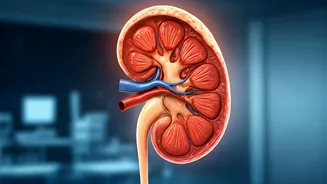
To effectively manage diabetes through yoga, focusing on specific asanas is key. Vrikshasana (Tree Pose) stimulates pancreatic secretions and requires standing tall, placing one foot on the opposite thigh or calf while maintaining balance and extending arms overhead. Dhanurasana (Bow Pose) enhances pancreatic and intestinal function; it involves lying on the stomach, bending knees, and grasping ankles to lift the chest and thighs. Halasana (Plough Pose) is excellent for stimulating the pancreas, spleen, and abdominal organs, improving kidney and liver function. This pose is executed by lying on the back, lifting the legs over the head to touch the floor with the toes, and keeping the back perpendicular to the ground. Lastly, Ardha Matsyendrasana (Half Twist Pose) massages abdominal organs, including the pancreas and liver, aiding digestion and detoxification, and is performed by sitting with legs extended, bending one knee, and twisting the torso to bring the opposite arm towards the bent knee while looking over the shoulder. Incorporating Suryanamaskar (Sun Salutation) for about 15 minutes daily can also significantly boost metabolism.