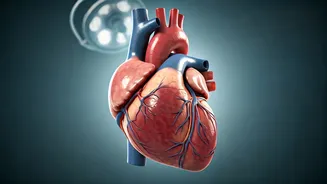







Understanding Athlete's Heart
When athletes consistently push their physical limits through rigorous training regimens, their bodies undergo significant physiological adaptations. One
such adaptation, often termed 'athlete's heart,' involves an enlargement of the heart muscle. This phenomenon occurs because the heart works harder and more efficiently to pump blood throughout the body during prolonged and intense exercise. Over time, the chambers of the heart may expand, and the walls thicken, leading to a larger, stronger organ capable of delivering more oxygen to working muscles. While this might sound like an enhancement, it's crucial to understand that when this enlargement becomes excessive, it can cross the line from a beneficial adaptation to a potentially concerning medical condition. The key distinction lies in the degree of change and the presence of any accompanying symptoms or functional impairments, which may not always be apparent.
Risks of Overtraining
The dedication required for peak athletic performance often involves pushing beyond comfort zones, but exceeding one's limits without adequate recovery can lead to overtraining syndrome. This state can manifest in various ways, impacting not just athletic output but overall well-being. Beyond the potential for an enlarged heart, overtraining can lead to chronic fatigue, weakened immune systems, hormonal imbalances, and psychological distress such as mood swings and irritability. For the cardiovascular system, continuous extreme exertion without sufficient rest can place undue stress on the heart, potentially exacerbating the risk of developing athlete's heart into a problematic condition. Recognizing the subtle signs of overtraining and prioritizing rest and recovery are therefore as vital for long-term health as the training itself. Athletes must learn to listen to their bodies and differentiate between productive exertion and harmful overexertion.
Silent Symptoms and Monitoring
A significant concern with athlete's heart is its often silent nature. Many athletes may experience an enlarged heart due to intense training without any noticeable symptoms, making it difficult to detect without specific medical evaluation. This can lead to a delayed diagnosis, where potential complications might arise before the condition is identified. Symptoms, when they do appear, can be varied and may include shortness of breath, chest pain, palpitations, dizziness, or fainting, especially during or after exertion. However, these signs can also be attributed to other causes, necessitating a professional assessment. Cardiologists play a pivotal role in monitoring the cardiovascular health of athletes. Through regular check-ups, including electrocardiograms (ECGs) and echocardiograms, they can assess heart structure and function, identify any abnormal enlargement, and provide guidance on training intensity and lifestyle modifications to mitigate risks.