



A Culinary Foundation
French cuisine, celebrated globally, is built upon a foundation of specific techniques. These techniques, developed over centuries, are what distinguish
French cooking. They emphasize precision, balance, and a focus on high-quality ingredients. Among the core techniques is 'mise en place,' which means 'everything in its place.' This ensures chefs have all components prepared, organized, and ready before the cooking process begins. Methods such as sautéing, braising, and poaching are fundamental. Sautéing involves cooking ingredients quickly in a small amount of fat over high heat. Braising combines dry and moist heat, starting with searing then slow-cooking in liquid. Poaching involves gently cooking delicate foods in simmering liquid. Mastering these techniques is the gateway to preparing authentic French dishes, from simple sauces to complex pastries. Understanding how these techniques intertwine highlights the structured discipline that makes French cuisine so famous. The meticulousness extends to how food is presented. Presentation is key; food is prepared to be appealing to the eye as it is to the palate. The combination of technique and artistry enhances the culinary experience.
The Importance of Sauces
In French gastronomy, sauces play a role that goes far beyond simply flavoring food; they are integral to a dish's identity. Traditional French cooking classifies sauces into five 'mother sauces,' each serving as a base for numerous derivatives. These include Béchamel (milk-based), Velouté (stock-based), Espagnole (brown sauce), Hollandaise (emulsified with butter), and Tomato sauce. Each sauce requires a specific preparation technique and a careful balance of ingredients to achieve its characteristic flavor and texture. For example, Béchamel starts with a roux, a mixture of flour and butter, to thicken the milk. Velouté typically uses the same base but uses stock instead of milk. Espagnole, a rich brown sauce, is often used as a foundation for other complex sauces, such as demi-glace. Hollandaise, the most delicate, relies on emulsifying egg yolks and clarified butter. Tomato sauce, while simpler in origin, requires slow cooking to develop its sweetness and depth. The mastery of these fundamental sauces enables chefs to create an infinite variety of dishes, enhancing both the flavors and textures. Each sauce highlights the art of transformation, turning simple ingredients into complex and nuanced flavor experiences. The use of herbs, spices, and other flavorings creates a vast spectrum of culinary possibilities.
Regional Specialties
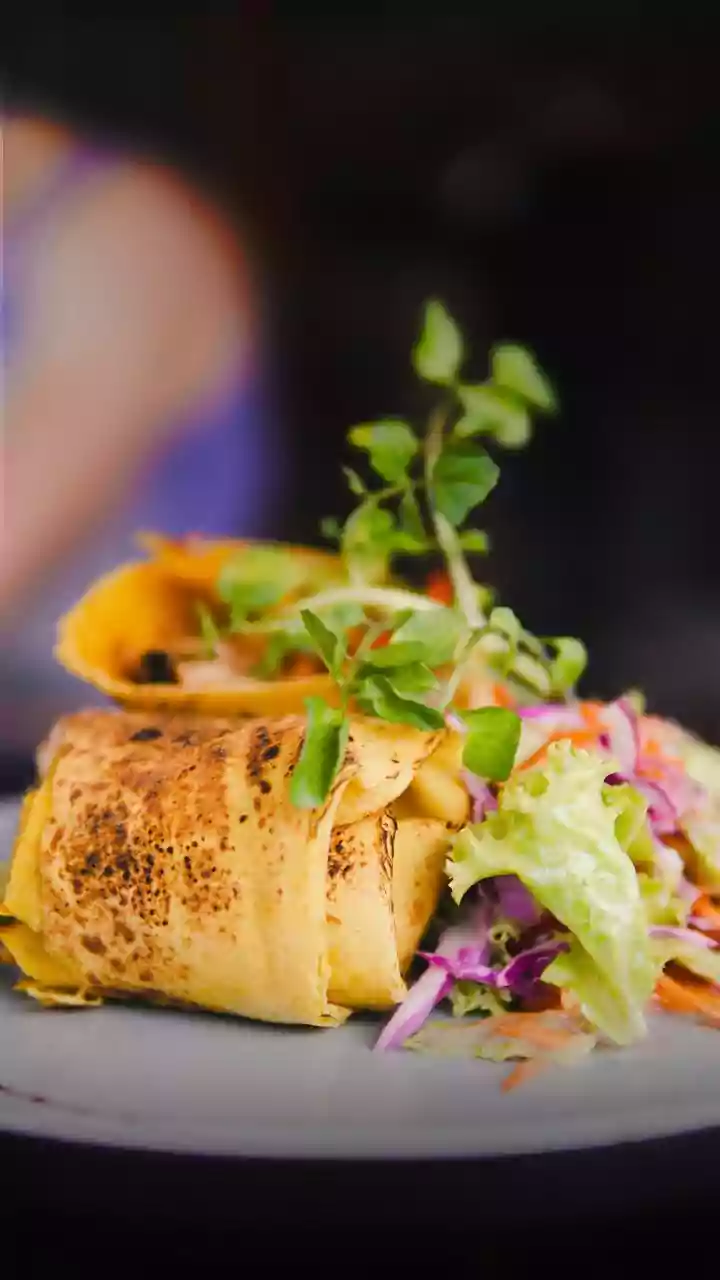
France's diverse regions contribute a unique range of dishes that represent their culture and geography. In Brittany, seafood takes center stage, with crepes being a staple and oysters a delicacy. Normandy's rich dairy products are showcased in dishes that include cream-based sauces and rich desserts. Southwest France is famous for its duck confit, a traditional preservation method that produces incredibly tender and flavorful meat, and dishes like cassoulet. The Alsace region, bordering Germany, features hearty dishes like choucroute garnie (sauerkraut with various meats). Provence, with its Mediterranean climate, emphasizes fresh produce, herbs, and olive oil in its cuisine. Bouillabaisse, a flavorful fish stew originating in Marseille, exemplifies the region's seafood traditions. In Lyon, a gastronomic hub, you’ll find sausages, offal dishes, and rich sauces, reflecting the city’s culinary boldness. Each region’s culinary heritage is rooted in its environment and history, providing a varied menu. It is an exploration of ingredients, from the rich pastures to the abundant coastline. From hearty stews to delicate pastries, each region contributes to the richness of French cuisine.
Iconic French Dishes
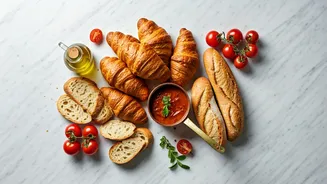
Several dishes have become iconic representations of French cuisine, embodying its elegance and distinct flavors. Coq au vin, chicken braised with wine, is a classic example of French home cooking, a dish that combines technique and simple ingredients. Boeuf bourguignon, a beef stew cooked in red wine, is a comforting and flavorful dish. Crème brûlée, a custard dessert with a caramelized sugar topping, is a testament to the simplicity of the approach. French onion soup, with caramelized onions in a rich broth topped with cheese, shows the importance of using every part of a food. Ratatouille, a vegetable stew from Provence, highlights seasonal produce. Croissants, with their flaky layers, are a globally recognized breakfast staple and pastry marvel. These dishes provide a glimpse into the diverse range of French culinary traditions. The preparation, from the choice of ingredients to the cooking techniques, reflects the care that goes into each dish. They are a reflection of French cuisine's deep commitment to quality and experience, making it a source of inspiration for food lovers worldwide.
Desserts: A Sweet Finale
French desserts are renowned for their artistry and rich flavors, marking a sweet end to any meal. Patisseries are important, displaying an impressive array of cakes, pastries, and confections. Macarons, delicate meringue-based cookies, come in various flavors and colors. Éclairs, filled with cream and topped with chocolate, reflect simplicity. Crème brûlée is a rich custard dessert topped with a layer of caramelized sugar. Soufflés, light and airy, require careful preparation to achieve their perfect rise. Tarte Tatin, an upside-down apple tart, exemplifies the beauty of a simple concept. Madeleines, small sponge cakes with a distinctive shell shape, are known for their tender crumb and buttery taste. These desserts are not just about sweetness but represent the art of pastry making, where precision and technique are key. The use of high-quality ingredients, from butter and cream to fresh fruits and chocolates, enhances the experience. French desserts represent not just food, but a culture of indulgence and refined taste.
The Influence on Cuisine
French cuisine has left a mark on culinary traditions across the globe, shaping everything from restaurant menus to home cooking. The formal dining style, known for its multiple courses and intricate presentations, spread through the world, affecting how food is prepared and eaten. The French emphasis on sauces has influenced cooking styles, introducing techniques like braising and sautéing. The concept of 'haute cuisine,' which highlights meticulous techniques, has become the benchmark for fine dining worldwide. Many international chefs have trained in France, bringing French methods to kitchens around the world. The impact extends beyond techniques, with ingredients and dishes like croissants, macarons, and crème brûlée becoming internationally recognized. The impact of French cuisine is an exploration of the art of food, affecting not only the way we cook but also how we experience it. It has created a legacy and influenced culinary evolution and continues to be studied and admired by chefs and food lovers everywhere.