




Sautéing Made Easy
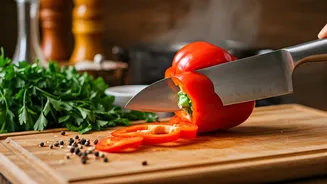
Sautéing is a cornerstone of many dishes. This method, originating from the French 'sauter,' involves cooking food rapidly in a small amount of fat over
relatively high heat. It’s ideal for vegetables, meats, and other ingredients, enabling a quick sear and tenderizing effect. The key is to ensure the pan is hot before adding ingredients, which helps create a beautiful browning or caramelization known as the Maillard reaction, locking in flavors. Proper sautéing ensures a delightful texture and taste. For instance, when cooking vegetables, make sure they are evenly distributed in the pan, and avoid overcrowding to allow for proper browning. A non-stick pan is helpful for those new to sautéing, making cleanup easier. Practice this, and you’ll find yourself creating quick, flavorful meals like a seasoned cook.
The Art of Simmering
Simmering involves gently cooking food in liquid at a low temperature, just below boiling, typically between 180°F and 200°F. This method is ideal for slow-cooking tougher cuts of meat, creating flavorful stocks, or infusing flavors into sauces. The slow cooking helps tenderize the meat, extract maximum flavor from ingredients, and develop complex tastes over time. The key is to maintain a gentle bubble, preventing the liquid from boiling vigorously, which can toughen the food. Simmering is a perfect cooking style for Indian dishes, helping create rich and nuanced flavors that are highly appreciated.
Mastering the Roast
Roasting involves cooking food in a dry heat environment, such as an oven, at higher temperatures. This process usually caramelizes the food's exterior, leading to a flavorful crust while the inside remains tender and juicy. Roasting is suitable for various foods, including meats, poultry, vegetables, and even fruits. The heat helps to develop rich flavors and textures, making it a favorite for many dishes. Ensure even cooking by maintaining the appropriate oven temperature, and consider basting your ingredients with fats or juices to retain moisture and enhance flavor. This process is very common in Indian kitchens, used to enhance the natural flavors of the produce.
Steaming for Health
Steaming involves cooking food over boiling water, without direct contact, preserving nutrients and achieving a tender texture. This gentle method is ideal for vegetables, seafood, and some types of grains. The steam gently cooks the food from all sides, retaining natural flavors, colors, and the original nutrients lost in other cooking processes. It is a favored choice for those keen on a healthier culinary style. Ensure there is enough water in your steamer to generate the necessary steam and prevent the pot from running dry, and do not overcook, or else the dish will lose its texture.
Deep Frying Explained
Deep frying involves immersing food in hot oil, which cooks the exterior to a crispy state while the interior remains moist. This method gives a delightful texture and flavor, perfect for dishes like samosas, pakoras, and various Indian snacks. It's critical to maintain the oil temperature to achieve even cooking and prevent the food from absorbing too much oil. Using a deep fryer or a heavy-bottomed pot and monitoring the temperature with a thermometer is crucial for success. Deep frying is a popular cooking style throughout India, often used to create a wide variety of snacks and treats.
Grilling the Basics
Grilling uses direct, intense heat from a flame, usually from gas or charcoal, to cook food. This method lends a smoky flavor and a seared exterior, making it ideal for meats, vegetables, and even certain fruits. It's important to control the heat to prevent burning, while developing the characteristic grill marks and smoky taste. This technique is often used in Indian cooking, for creating tandoori dishes and grilled kebabs. It brings an unparalleled taste and aesthetic to your meals.