




Embrace the Soak
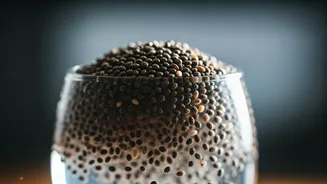
Transforming chia seeds into a nutrient powerhouse begins with a simple soaking process. By allowing these tiny seeds to absorb liquid for at least 15-20
minutes, they undergo a remarkable change, forming a gel-like consistency. This 'gelatinization' is crucial, not only making the seeds significantly easier for your body to digest, thereby reducing potential digestive discomfort, but also actively enhancing the absorption of their rich nutrients. Think of it as pre-digesting the seeds for you. Once transformed, these softened seeds can be seamlessly integrated into a variety of dishes, from vibrant smoothies and hearty oatmeal to being enjoyed as a standalone, nutrient-dense treat. This preparatory step is fundamental to unlocking their full health potential, making them more bioavailable and gentle on your system.
Yoghurt: The Perfect Pairing
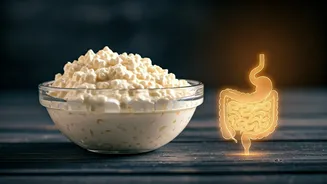
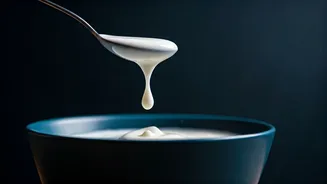
When it comes to the ultimate way to consume chia seeds, pairing them with yoghurt stands out as a highly recommended strategy. Yoghurt, a well-known source of beneficial probiotics, creates a powerful synergy with the abundant fibre found in chia seeds. This combination actively promotes a healthier gut environment by nurturing a balanced microbiome. Beyond gut health, this duo offers a complete nutritional profile, delivering a satisfying blend of protein, essential healthy fats, and complex carbohydrates, making it an exceptionally ideal choice for breakfast or a midday snack. The creamy texture of yoghurt beautifully complements the gelled consistency of soaked chia seeds, resulting in a delightfully palatable and exceptionally nutritious meal that keeps you feeling full and energized.
Beyond Basic Consumption
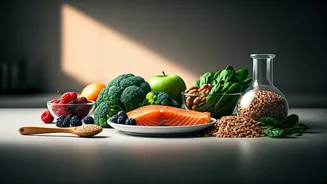
While soaking and combining with yoghurt are primary recommendations, incorporating chia seeds into other culinary creations can also amplify their health impact. Consider grinding chia seeds; studies indicate this can significantly boost the availability of their beneficial omega-3 fatty acids by breaking down their tough outer shell, without compromising their valuable fibre content. Another inventive approach involves pairing chia seeds with basil seeds. This combination offers a broader spectrum of fibre – chia predominantly provides insoluble fibre for digestive transit, while basil seeds contribute soluble fibre, which is readily fermented by gut bacteria to produce beneficial short-chain fatty acids like butyrate. Alternatively, adding berries to your chia seed mix can be advantageous, as the polyphenols in berries work in conjunction with fibre to selectively nourish beneficial gut bacteria.