





Why Pump Checks Matter
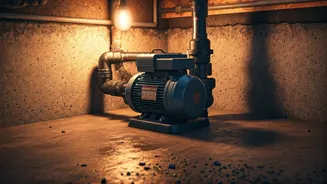
Sump pumps are essential guardians against water damage, diligently removing excess water from your home's lowest points. However, these crucial devices
aren't immune to wear and tear. Proactive and regular inspections are paramount to ensuring they function reliably when a crisis strikes. Imagine a torrential downpour or a sudden pipe burst; without a working sump pump, your basement could quickly become a waterlogged disaster zone. Expert plumbers emphasize that early detection of minor issues can prevent significant, costly repairs and widespread water damage down the line. An annual check-up is the minimum recommended to verify all internal components are in good working order and to identify any subtle signs of trouble that might otherwise go unnoticed until it's too late, potentially saving you from immense stress and financial strain.
Inspection Cadence
Determining the ideal inspection schedule for your sump pump hinges on your specific home environment and the typical weather patterns in your region. At a minimum, plumbing professionals strongly advise conducting an inspection at least once a year. This routine examination helps to identify any debris buildup that might impede operation, confirms the functionality of the battery backup system, and ensures the discharge lines remain free of obstructions. For households that have experienced flooding or persistent leaks in the past, or live in areas prone to heavy rainfall or spring thaws, increasing the inspection frequency to every three months is a wise precaution. This more frequent testing offers greater assurance that the pump is in optimal condition and ready to deploy when needed most. It's also imperative to check the sump pump immediately following any power outage, as this can sometimes affect its performance or drain the backup battery.
Warning Signs
Sump pumps can falter for various reasons, including issues with the check valve, a stuck float switch, obstructions in the float mechanism, or damage to the discharge pipe. Motor burnout is another common culprit behind pump failure. Keep an ear out for unusual sounds like grinding or loud humming, which can indicate a struggling motor or jammed impeller. Excessive vibrations during operation might suggest improper positioning within the pit or damage to the pump's components. If your pump runs continuously, even when the water level is low, it could signal a faulty check valve or float switch. A pump that fails to activate when the pit is full is a serious concern, pointing towards a dead motor or a stuck switch. Visible signs of rust or corrosion on the pump suggest it's been exposed to excess water or iron bacteria, which can lead to clogs. Foul, musty odors emanating from the sump pit might indicate it's dirty or that stagnant water and bacteria have accumulated.
DIY Inspection Steps
Homeowners can perform a basic sump pump inspection with relative ease. Begin by verifying that the pump is securely plugged into a power source and that its battery backup is fully charged. Next, pour a bucket of water directly into the sump pit to simulate a water accumulation scenario. Observe whether the pump automatically activates, successfully pumps the water out, and then properly shuts off. It's also crucial to inspect the discharge line to confirm it is clear of any blockages and directs water at least six feet away from your home's foundation. Finally, manually lift the float switch to confirm that the motor engages and begins operating as expected. These straightforward checks can provide valuable peace of mind and help prevent potential problems before they escalate.
Consequences of Neglect
Ignoring your sump pump's maintenance needs might not seem urgent at first glance. However, even minor imbalances or blockages can significantly degrade its performance over time. The ultimate consequence of a neglected sump pump is potential flooding in basements or crawl spaces. This can lead to extensive water damage affecting walls, floors, and stored belongings, create breeding grounds for mold and mildew, and even pose electrical hazards if water submerges cords and electronic devices. Regular, proactive inspections, especially before anticipated periods of heavy rain or snowmelt, are the most effective strategy to ensure your sump pump is always prepared to do its job and protect your home from water intrusion.