
Paratha's Nutritional Landscape
Paratha, a delightful Indian flatbread, serves as more than just a culinary pleasure; it contributes to one's nutritional intake. Typically made from whole
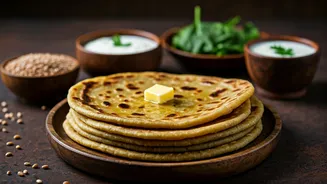
wheat flour (atta), it provides a dose of carbohydrates, vital for energy. When cooked with ghee or oil, paratha also provides a source of fats, which helps in the absorption of fat-soluble vitamins. The nutritional value can vary depending on the ingredients and the cooking method. For instance, using healthier oils like olive oil or incorporating vegetables can enhance its nutrient profile. The addition of fillings like paneer or vegetables also contributes to the protein and fiber content, making it a more balanced meal. The cooking process is also essential. Cooking it on low to medium heat allows for better retention of nutrients.
Health Benefits Unveiled
Consuming paratha has several potential health benefits, particularly when prepared with whole wheat flour. Whole wheat atta is high in fiber, which aids in digestion and helps regulate blood sugar levels, making you feel fuller for longer. This fiber content also contributes to improved gut health. Furthermore, parathas made with vegetables, like methi (fenugreek) or palak (spinach), provide added vitamins and minerals, boosting your immune system and overall health. When combined with a nutritious filling, like paneer, paratha can be a decent source of protein, essential for muscle repair and growth. Remember that the health benefits can be significantly affected by the way paratha is cooked and the ingredients used. Choosing healthier cooking methods, such as using less oil, can help maximize the advantages.
Paratha vs. Idli for Weight Loss
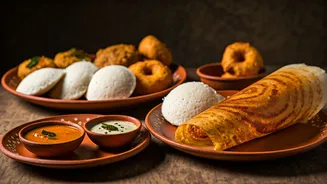
When considering weight loss, the choice between paratha and idli largely depends on how they are prepared and what they are consumed with. Idli, steamed rice cakes, are generally lower in calories and fat than a paratha, making them a potentially better option for weight management. Idli's high water content and fermentation process also make them easier to digest. However, paratha can still be part of a weight-loss-friendly diet if made with whole wheat flour, cooked with minimal oil, and served with a light accompaniment like yogurt or a vegetable sabzi. Portion control is also key; the quantity of paratha consumed plays a significant role in calorie intake. The addition of high-fiber ingredients to your paratha, such as vegetables, can make them more satisfying and less likely to overeat. Ultimately, the best choice depends on individual dietary needs, portion sizes, and the overall balance of meals.
Making Healthier Paratha Choices
Several modifications can make paratha a healthier food option. Opting for whole wheat flour over refined flour significantly increases its fiber content, promoting better digestion. When cooking, use minimal oil; a non-stick pan can be helpful for this. Olive oil or a small amount of ghee can be used for added flavor. Consider adding vegetables such as grated carrots, spinach, or radish to the dough to increase the nutritional value. Serving paratha with a side of plain yogurt or a light vegetable curry provides additional nutrients and reduces the calorie load compared to richer accompaniments. You may also experiment with different fillings, like paneer, which provides protein, or sprouts for added nutrients. Portion control is vital, no matter how healthy the paratha is, and limiting the serving size helps manage calorie intake, aiding weight management.
Incorporating into a Diet
Paratha can comfortably be integrated into a balanced diet as long as you are mindful of your ingredients and portion sizes. Consider it as part of a meal that also includes protein and vegetables to achieve a balanced nutritional intake. For example, have it with a serving of dal and a side of mixed vegetables to ensure you are meeting your daily nutritional requirements. Try to limit the number of parathas you eat in one sitting, especially if weight management is a goal. Planning your meals ahead of time can help you make informed choices, ensuring that paratha aligns with your dietary goals. Listen to your body's cues and adjust accordingly; it's essential to eat mindfully and be aware of how different foods affect you. Variety is key, so consider diversifying your diet to include a range of foods. This way you'll receive a wide spectrum of nutrients, keeping your meals interesting.