





The Rising Tide
Prepare for a significant upswing in liver disease, with a groundbreaking study in The Lancet Gastroenterology and Hepatology forecasting a surge to 1.8
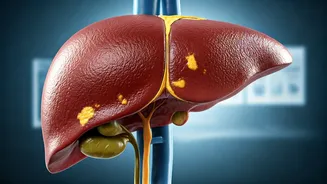
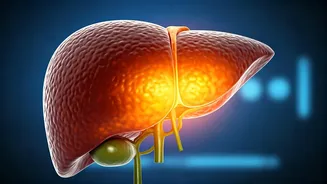
billion cases by 2050. This alarming trend is predominantly fueled by escalating global populations and evolving lifestyle patterns, notably increasing rates of obesity and uncontrolled blood sugar. Previously known as non-alcoholic fatty liver disease (NAFLD), metabolic dysfunction-associated steatotic liver disease (MASLD) is now recognized as a widespread liver condition, posing substantial economic and health burdens worldwide. The research meticulously examined data spanning from 1990 to 2023, revealing a startling 143% increase in MASLD cases over these 33 years. While medical advancements are extending lifespans and improving health outcomes, the majority of new MASLD cases are emerging in their nascent stages, emphasizing the critical need for proactive prevention.
The Big Three Culprits
Leading health experts have pinpointed three paramount risk factors directly contributing to the escalating prevalence of metabolic dysfunction-associated steatotic liver disease (MASLD), formerly known as fatty liver disease. These are smoking, maintaining a high body mass index (BMI), and elevated fasting blood sugar levels. Dr. Sonal Asthana, a distinguished HPB & Liver Transplant Surgeon, explains that each of these factors profoundly impacts the liver's ability to manage fat. Smoking exacerbates inflammation and compromises oxygen delivery to liver cells, leading to cumulative damage over time. A high BMI, particularly abdominal obesity, signifies excess body fat that is readily stored within the liver. Furthermore, consistently high fasting plasma glucose, often indicative of diabetes or prediabetes, signals inadequate sugar regulation, prompting the liver to convert surplus sugar into detrimental fat deposits. Collectively, these elements amplify insulin resistance, hindering the body's natural processes for regulating sugar and fat metabolism, thus paving the way for liver deterioration.
The Insulin Resistance Link
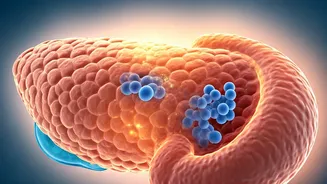
Dr. Akhil Deshmukh, a Hepatology and Liver Transplant Consultant, underscores the pivotal role of insulin resistance as the central mechanism in the escalating cycle of liver disease. He emphasizes that MASLD and type 2 diabetes are not isolated conditions but rather interconnected manifestations of a singular metabolic disorder. When the body's cells become resistant to insulin, they struggle to absorb glucose effectively from the bloodstream. This forces the pancreas to produce more insulin, leading to hyperinsulinemia. The liver, in an attempt to manage this excess insulin and circulating glucose, begins to convert more sugar into fat, a process known as de novo lipogenesis. This accumulation of fat within the liver, or steatosis, is the hallmark of MASLD. Over time, this fat accumulation can trigger inflammation (steatohepatitis), fibrosis, and eventually cirrhosis, a severe and irreversible scarring of the liver. Therefore, addressing insulin resistance is fundamental to mitigating the progression of both MASLD and type 2 diabetes.
Lifestyle Interventions
Taking proactive steps to manage MASLD and prevent its onset largely revolves around implementing straightforward yet impactful lifestyle adjustments. Dr. Asthana advocates for maintaining a healthy weight through consistent physical activity, suggesting pursuits like walking, cycling, or yoga to aid in reducing liver fat accumulation. Concurrently, adopting a balanced dietary regimen is crucial. This involves consciously limiting intake of sugary foods, fried items, and processed products, while prioritizing an abundance of fruits, vegetables, and whole grains. Dr. Deshmukh adds a broader perspective, advising individuals to view these changes as part of a comprehensive approach to metabolic health. He notes that when physical activity declines and consumption of high-calorie foods increases, the liver is often the first organ to exhibit detrimental effects. Therefore, integrating regular exercise and mindful eating habits is paramount for preserving liver function.
Key Prevention Strategies
To effectively combat the rise of MASLD, a multi-faceted approach encompassing diet, exercise, and medical vigilance is essential. Dr. Asthana highlights the importance of quitting smoking, a habit that directly contributes to inflammation and impairs liver cell health. Furthermore, rigorous control over blood sugar levels is non-negotiable; this involves minimizing consumption of refined carbohydrates and sweets and adhering strictly to medical guidance if diagnosed with diabetes. Dr. Deshmukh reiterates the significance of early detection through risk stratification and non-invasive fibrosis assessments. He also stresses the benefits of achieving a modest weight loss of 5%-10% and implementing sustainable lifestyle modifications to alter the disease's trajectory. Regular health check-ups, including monitoring liver function and blood glucose levels, are vital for identifying early signs of liver distress and averting more serious complications down the line.