





Moisture's Role Clarified
The common belief that simply adding more moisture to your hair directly speeds up its growth is a misconception. While hydration is undeniably crucial,
its primary benefit lies in strengthening your existing hair strands. When hair is properly hydrated, its outer layer, the cuticle, lies flat, making the hair shaft smoother, more flexible, and significantly less prone to breakage. This means that while moisture doesn't influence the rate at which your hair grows from the root, it plays a vital role in preventing the loss of length. By reducing damage and making hair more resilient, proper moisture management allows you to retain the length that naturally grows, contributing to the appearance of faster growth and overall healthier hair. Think of it as protecting the progress your hair is already making, rather than inventing new growth.
How Hair Actually Grows
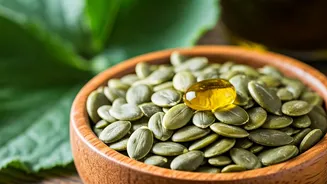
It's essential to understand that hair growth originates internally, not from the ends of the strands you can see and touch. The process begins at the hair follicle, located within the scalp, and is fundamentally governed by a complex interplay of internal factors. Your genetic makeup plays a significant role in determining your hair's natural growth rate and texture. Hormonal balance is another critical element, as fluctuations can impact hair health and growth cycles. Furthermore, your nutritional intake and overall physical well-being are paramount; a diet rich in essential vitamins and minerals supports healthy hair production from the inside out. Consequently, no topical application, whether it's an oil, serum, or a DIY mask, can directly influence the hair's growth at the root. The focus, therefore, should be on supporting these internal drivers alongside external care.
The Impact of Hydration
When hair is adequately moisturized, it becomes more pliable and resilient, much like a damp cloth is less likely to tear than a dry one. This enhanced flexibility means it can withstand the stresses of daily styling, brushing, and environmental exposure with far less damage. Properly hydrated hair tangles less frequently, reduces the occurrence of split ends, and appears visibly smoother and more vibrant. The science behind this involves the hair cuticle, the protective outer layer of each strand. In dry hair, the cuticle scales are raised, leading to a rough texture and increased friction between strands. Moisture helps to flatten these scales, creating a smoother surface, increasing elasticity, and minimizing breakage. This improved condition makes hair easier to manage and preserves its length over time.
Understanding 'Moisture' Components
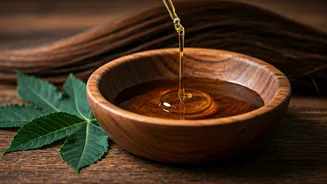
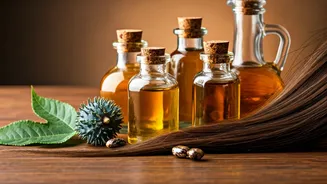
It's a common misconception to equate all hair oils with direct moisture. In reality, true moisture for hair typically comes from water and ingredients that attract and bind water, known as humectants. Substances like glycerin and aloe vera are excellent examples of humectants that draw moisture from the atmosphere into the hair shaft. Conditioners, while often containing oils, are primarily designed to soften hair and smooth the cuticle. The most effective hair care routines usually involve a two-step process: first, introducing hydration using water-based products or humectants, and then, using oils or emollients to seal that moisture in. Simply applying oil to dry hair without a preceding hydrating step is akin to closing a container that has nothing inside it; it won't add the essential wetness your hair needs.
Signs Your Hair Needs Moisture
If your hair feels consistently rough, dry, and difficult to manage, it's likely signaling a deficiency in moisture. These issues often manifest as persistent tangling, a tendency for split ends to appear prematurely, and a dull, lifeless appearance. You might also notice increased breakage when brushing or styling. These are not necessarily indicators that your hair has stopped growing, but rather that it's struggling to retain the length it is producing due to lack of adequate hydration and protection. Addressing these signs through a targeted moisturizing routine can help improve hair's condition and prevent further damage, allowing you to better appreciate the growth you are achieving.
Simple Moisture Strategies
Achieving well-moisturized hair doesn't require an overly complex or time-consuming regimen. Starting with the basics is often the most effective approach. Always use a conditioner after shampooing to replenish moisture and smooth the hair cuticle. If your hair feels particularly dry, consider incorporating a leave-in conditioner for an extra boost of hydration throughout the day. Utilize hair oils strategically to lock in the moisture you've introduced, rather than using them as a sole treatment. Be mindful of washing your hair too frequently, as this can strip natural oils and lead to dryness. Always handle the ends of your hair with extra care, as they are the oldest and weakest parts. Consistency in these simple steps is far more impactful than occasional use of elaborate treatments.