
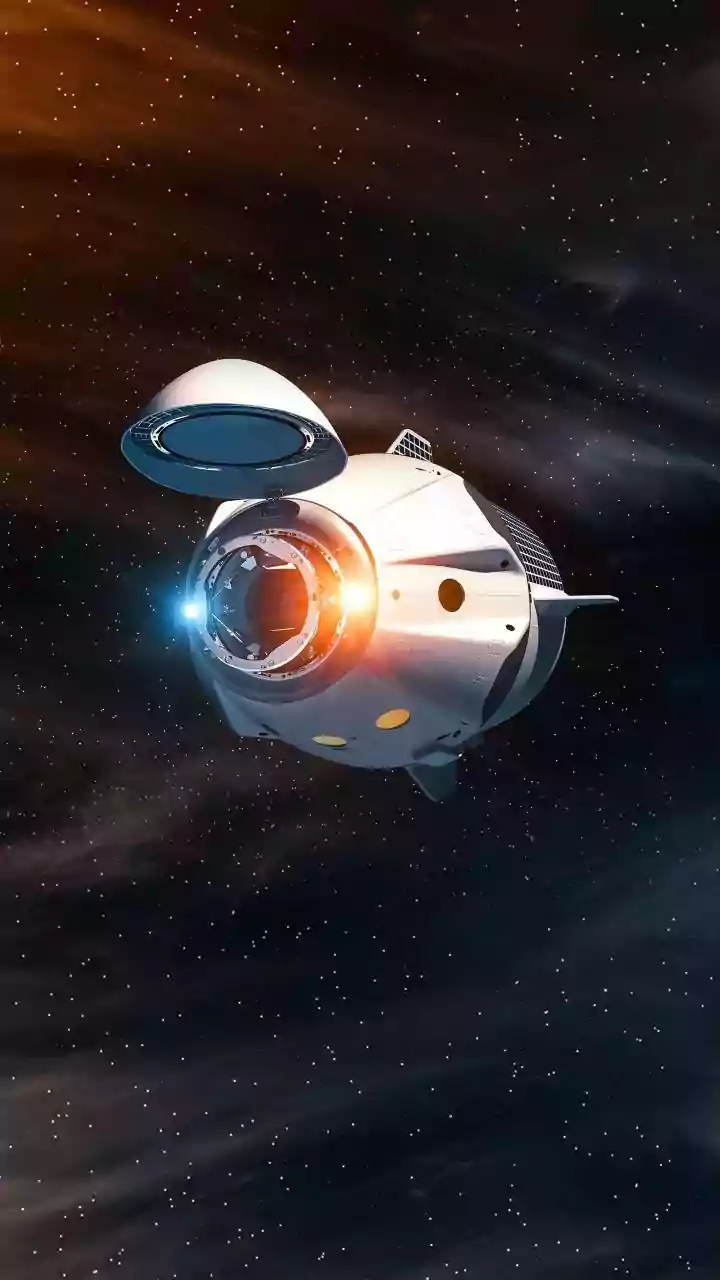





Artemis II's Celestial Circuit
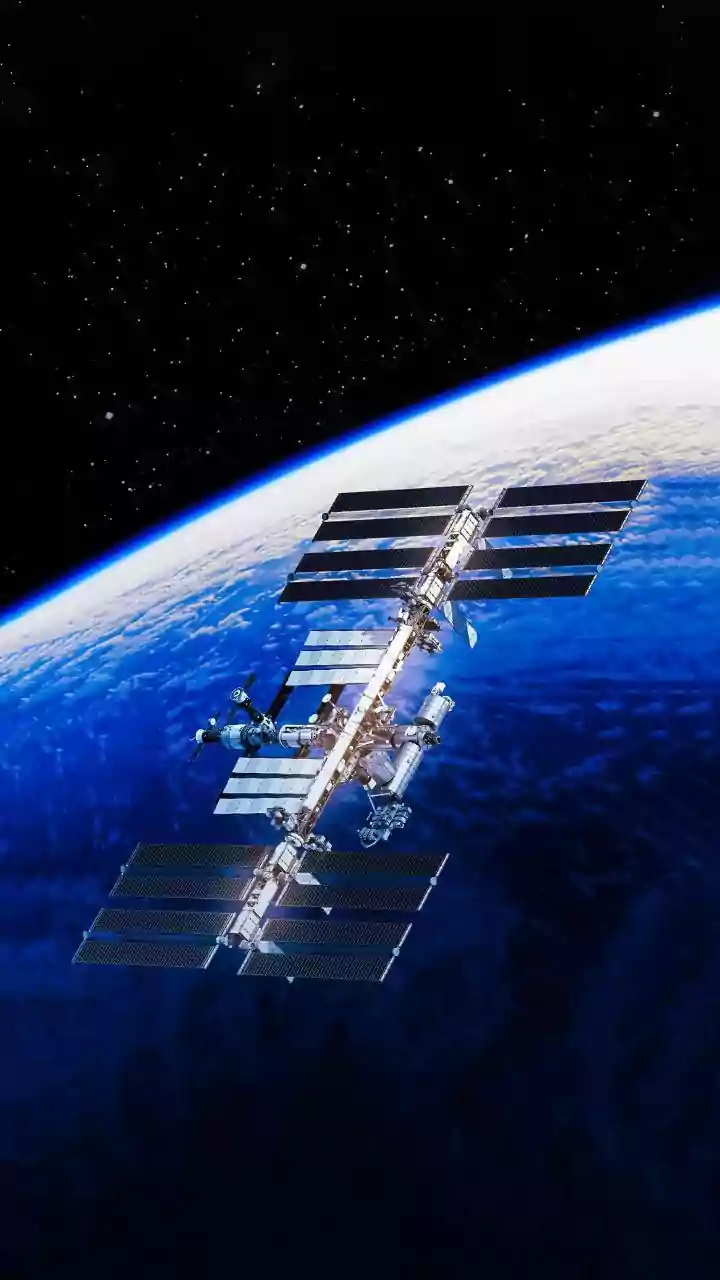
The Artemis II mission embarked on a groundbreaking ten-day journey, carrying four astronauts on an unprecedented trajectory that would see them loop around
the Moon before returning to Earth. This endeavor, featuring a unique rocket shaped like a crayon with an Orion capsule as its head, marked a significant step in humanity's return to lunar exploration. The primary objective was to test the systems and capabilities of the spacecraft and its crew in deep space, paving the way for future lunar landings. It represented a tangible advancement in space travel, pushing the boundaries of what's currently achievable in scientific exploration and astronaut training, all while aiming for a successful completion of its orbital trajectory.
Project Hail Mary's Grand Rescue
In stark contrast, 'Project Hail Mary' presented a fictional, high-stakes drama centered on saving Earth from an existential threat posed by a dying Sun. The narrative followed a middle school science teacher, portrayed by Ryan Gosling, who transforms into an astronaut for a critical mission. His unlikely companion is an alien named 'Rocky,' who aids him in his quest. This cinematic venture offered audiences a thrilling, albeit fantastical, escape, resonating deeply during challenging times. The film's premise, while rooted in scientific concepts, served as a powerful allegory for hope and collaboration in the face of overwhelming odds, aiming to entertain and inspire ticket-goers with its imaginative storyline.
Bridging Fact and Fiction
The recent convergence of Artemis II's real-world lunar circumnavigation and the cinematic spectacle of 'Project Hail Mary' highlights humanity's enduring fascination with space exploration and storytelling. While Artemis II represents a meticulously planned scientific endeavor, aiming to expand our knowledge and capabilities in space, 'Project Hail Mary' offers a more emotional and imaginative narrative, exploring themes of survival, sacrifice, and interstellar cooperation. Both missions, despite their vastly different natures, tapped into a collective yearning for wonder and the potential for extraordinary achievements, whether through scientific innovation or compelling fiction. The article explores how these distinct scenarios, one a verifiable mission and the other a compelling work of imagination, captured the public's attention and sparked conversations about our place in the cosmos.