

A Cosmic Gathering
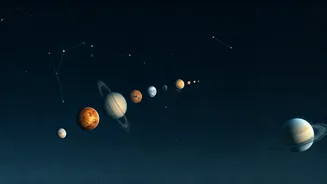
February 2026 is set to mesmerize sky gazers with an exceptional celestial arrangement, often dubbed a 'planet parade.' This captivating event involves
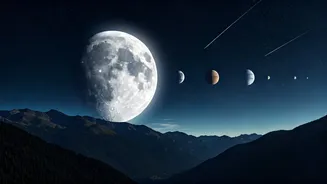
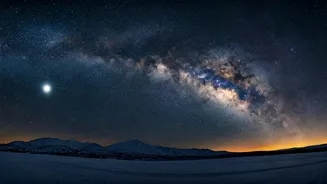
several planets congregating in the sky shortly after sunset, drawing attention much like recent astronomical phenomena such as supermoons and meteor showers. While the concept of multiple planets appearing together isn't entirely novel, with a similar, albeit less visible, alignment occurring in early 2025, this year's display promises a unique opportunity. The lineup for February 2026 includes Mercury, Venus, Saturn, Jupiter, Uranus, and Neptune, creating a rare opportunity for astronomical observation.
The Key Date
Mark your calendars for Saturday, February 28, 2026, as the prime date to witness this extraordinary planetary alignment. As dusk settles, six distinct celestial bodies—Mercury, Venus, Saturn, Jupiter, Uranus, and Neptune—will be strategically positioned within the evening sky, presenting a truly remarkable sight. However, it's crucial to temper expectations. The term 'see' can be quite relative in this context, as atmospheric conditions and the planets' proximity to the horizon will play significant roles in their visibility. Many of these worlds will be hovering very low above the western horizon, their visibility potentially obscured by the Sun's lingering twilight glow. Therefore, achieving an unobstructed view of the western sky and precise timing will be paramount for any chance of observing this grand cosmic gathering.
Navigating Visibility
For the average observer, spotting all six planets with the naked eye on February 28th will be a challenging feat. Venus and Mercury will be the most challenging, positioned lowest in the sky and closest to the Sun's radiant aftermath, making them the first to vanish into the fading light. Venus, despite its brilliance, will be a difficult target near the horizon. Mercury, though less luminous, might offer a slightly better chance earlier in the month. Saturn will be a neighboring presence, but its diminishing brightness means it won't be as striking as in previous observations. Uranus and Neptune are even more elusive, requiring the assistance of binoculars or a small telescope for even a faint glimpse. Jupiter, on the other hand, stands out as the undisputed star of the show, easily identifiable due to its significant brightness and prominent position in the sky, likely becoming the highlight for most viewers.
The Lunar Companion
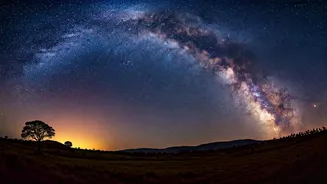
Adding another layer to this celestial spectacle, the Moon will ascend later in the evening, casting its luminous glow across the eastern sky. While its presence might pose a slight challenge for those meticulously tracking the planets lower on the horizon, it will undoubtedly contribute to the overall visual grandeur of the night. For those interested in the planetary alignment itself, focusing on Jupiter will likely yield the most rewarding experience for unaided eyes. For enthusiasts seeking to observe Uranus and Neptune, ensuring you have binoculars or a telescope readily available will be essential for a successful viewing. Remember that clear skies and a western-facing vantage point are your best allies for this rare astronomical event.