







HbA1c Test Explained
The HbA1c test is a cornerstone in managing diabetes, offering a look at average blood glucose over approximately three months. It functions by measuring
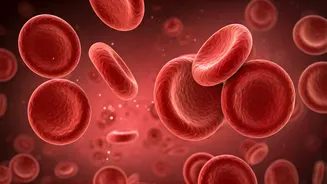
the amount of glucose that has attached to hemoglobin, a protein within red blood cells. This process is a reflection of longer-term glycemic control, serving as a vital indicator for both diagnosis and ongoing treatment effectiveness. However, a common misconception suggests that extremely elevated blood sugar levels alone can render this test unreliable. Neurologist Dr. Sudhir Kumar clarified this on X, emphasizing that while theoretically possible, such scenarios are rare in clinical practice. He explained that glucose initially forms a temporary, reversible compound (labile HbA1c) that reflects very short-term glucose fluctuations. While significant hyperglycemia can transiently boost this fraction, modern laboratory techniques have largely minimized interference from this factor. Therefore, routine practice rarely sees extreme hyperglycemia as the primary cause of a distorted HbA1c reading.
Red Blood Cell Factors
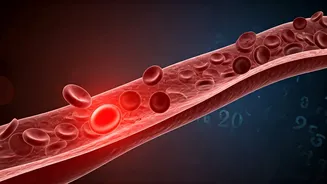
In the realm of HbA1c interpretation, conditions impacting red blood cells (RBCs) present a much more significant and common challenge than acute hyperglycemia. These factors can substantially alter the test results, sometimes leading to inaccurate assessments of diabetes control. For instance, iron deficiency anemia, a prevalent condition, particularly among women in India, can cause a falsely elevated HbA1c. This occurs because iron deficiency affects the lifespan and maturity of red blood cells, leading them to live longer and accumulate more glucose over time. Conversely, conditions characterized by rapid red blood cell destruction, such as hemolysis or inherited hemoglobin variants like sickle cell disease, can result in a falsely lowered HbA1c. This is because the red blood cells have a shorter lifespan, providing less opportunity for glucose to bind to their hemoglobin. Furthermore, chronic kidney disease (CKD) and certain vitamin deficiencies can also distort HbA1c readings by affecting the overall health and function of red blood cells.
When to Seek More Tests
While the HbA1c test is an invaluable tool, it's crucial for both patients and healthcare providers to understand its limitations and when additional diagnostic measures are warranted. Dr. Kumar advises that individuals with known anemia, kidney issues, or other conditions affecting red blood cells should interpret their HbA1c results with caution, as it might not represent the complete picture of their glycemic control. Kanikka Malhotra, a Consultant Dietitian and Diabetes Educator, stresses that if an HbA1c reading appears inconsistent with a patient's symptoms, home glucose monitoring data, or overall clinical presentation, further investigation is essential. For example, if daily blood sugar readings are consistently high but the HbA1c remains within a seemingly normal range, an underlying red blood cell disorder might be the cause. In such scenarios, or when conditions like chronic kidney disease, liver disease, or inherited hemoglobin disorders are present, relying solely on HbA1c can be misleading. Doctors may then opt for supplementary tests such as fasting blood glucose, post-meal glucose measurements, or continuous glucose monitoring (CGM) to obtain a more accurate assessment. The Oral Glucose Tolerance Test (OGTT) also remains a vital tool, particularly for initial diabetes diagnosis.