





What is Slit-Seeding?
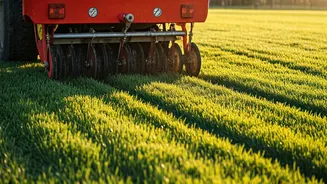
Slit-seeding, also known as slice-seeding, is a specialized method of overseeding designed to inject grass seed directly into the ground. It employs a machine
that simultaneously cuts narrow grooves into your existing lawn and deposits seeds within these channels. This ensures superior seed-to-soil contact, a critical factor for successful germination and robust growth. Unlike simply scattering seeds, this technique protects them from being easily consumed by birds or pests, or displaced by wind and rain. The slit-seeder itself resembles a large mower, equipped with rotating discs spaced about an inch apart that slice through the turf, followed by a hopper that dispenses the seed. This process not only introduces new grass but also helps aerate the soil, creating a more favorable environment for existing grass roots and new seedlings alike, ultimately leading to a denser, more resilient lawn.
Executing the Slit-Seeding Process
Transforming your lawn with slit-seeding involves several key steps. First, accurately measure your lawn's square footage to determine the correct quantity and type of grass seed needed. Before starting, clear the area of any debris like rocks or twigs, and mark any sprinkler heads to prevent damage. Next, mow your lawn short, aiming for a height of 1 to 2 inches, which allows the slit-seeder better access to the soil. Once prepared, fill the machine's seed hopper. Adjust the slit-seeder's cutting depth and seeding rate according to your lawn's specific needs and the seed manufacturer's recommendations. For best coverage, pass the machine over the lawn in parallel rows, using half of your seed. Then, make a second pass perpendicular to the first, distributing the remaining seed. Finally, gently rake over some of the thatch to help smooth the surface and improve seed-to-soil contact, removing any excess thatch if necessary.
Advantages of Slit-Seeding
The primary advantage of slit-seeding lies in its ability to guarantee direct contact between the grass seed and the soil. This method significantly minimizes the risks of seeds being pilfered by birds or small animals, or being blown away or washed out by adverse weather conditions. By creating these protective seedbeds, slit-seeding dramatically enhances the germination rate, allowing more seeds to sprout and establish themselves. This leads to a considerably better yield of healthy grass. Furthermore, this technique is particularly beneficial for lawns that have become thin due to heavy foot traffic, nutrient deficiencies, or damage from pests, diseases, or pets. It acts as an effective way to reintroduce density and vigor, effectively crowding out weeds and creating a more uniform and attractive turf.
When to Use and Avoid
Slit-seeding is most effectively utilized on lawns that are noticeably thin or struggling, as it helps them regain their density and vitality. It's an excellent solution for filling in bare patches caused by various lawn ailments. However, it's crucial to understand when to refrain from using this method. For well-established, dense lawns, slit-seeding is generally not recommended. The aggressive action of the slit-seeder's discs can potentially damage healthy grass and its underlying root systems, leading to more harm than good. While it is possible to slit-seed over existing grass, caution is advised. Ensure the machine is in peak condition, with sharp blades and set to the correct height, to minimize the risk of tearing up the existing turf and causing unintended damage.
Timing and DIY Considerations
For cool-season grasses, such as Kentucky bluegrass, perennial ryegrass, and fescues, the optimal time for slit-seeding is in the fall. This period provides ideal soil temperatures for seed germination while cooler air temperatures reduce stress on new growth, allowing it to establish strong roots before winter. Spring also presents a viable window for slit-seeding, provided the temperatures are cool. Regardless of the season, consistent watering and appropriate fertilization are essential for successful seed establishment. While professional services are often recommended, slit-seeding is also a feasible option for many do-it-yourself enthusiasts. Rental machines are available for approximately $100 per day or $375 per week. It's advisable for homeowners to practice on a small, less visible area first to gain proficiency and minimize the risk of damage to their main lawn.