






Security Clearance Hurdle
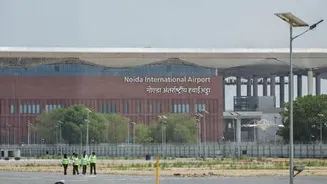
The chief executive of the recently launched Noida International Airport (NIA), Christoph Schnellmann, a Swiss national, is facing an uncertain future
regarding his security clearance. Sources indicate that the government is disinclined to modify existing aviation security regulations. These regulations mandate that the chief executive of a greenfield airport must be an Indian citizen. The NIA, developed and operated by an arm of Zurich Airport International AG, has already been inaugurated, but its commercial operations are stalled pending the approval of its Aerodrome Security Programme (ASP). A critical component of this approval is the CEO's security clearance from the Bureau of Civil Aviation Security (BCAS), which is essential before commercial flights can commence. The current rules, stemming from a 2011 BCAS order, explicitly state that the 'chief executive officer of Indian nationality' is responsible for coordinating security measures at greenfield airports. This regulatory requirement presents a significant obstacle to Schnellmann's continued leadership and the airport's operational launch.
Regulatory Stance & Potential Solutions
The Bureau of Civil Aviation Security (BCAS) had reportedly sought approval from the Ministry of Home Affairs for an amendment to the existing rules, specifically to accommodate the situation at the Noida International Airport. However, prevailing information suggests that the government is not in favor of granting any waivers or relaxing these regulations. Consequently, if Schnellmann's security clearance remains unapproved, the airport will be compelled to appoint an Indian national as its CEO to secure the necessary approvals for commencing flight operations. Schnellmann has been instrumental in guiding the project from its initial development stages through to its inauguration, having been appointed to lead the ambitious venture in 2020. His leadership has been pivotal in reaching this pre-operational milestone, but the regulatory framework now poses a significant challenge to his tenure and the airport's readiness.
Airport's Strategic Importance
Situated in Jewar, within Uttar Pradesh, the Noida International Airport is strategically positioned to serve as the second major aviation gateway for the National Capital Region (NCR) and surrounding western Uttar Pradesh areas. Its location, approximately 80 kilometers from central Delhi and about 60 kilometers from central Noida, highlights its role in decongesting air traffic and enhancing regional connectivity. The airport has already experienced notable delays during its construction phase, and the current impasse regarding the CEO's security clearance adds another layer to the anticipated wait for its operational launch. The timely commencement of commercial operations is crucial for realizing the economic and logistical benefits this greenfield airport is designed to provide to the region.