





The New Reality
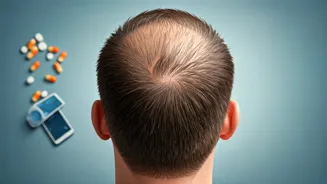
Hair loss is no longer a concern solely for men in their thirties and forties; it's now a prevalent issue for those in their early twenties. This shift
has prompted experts to re-evaluate the primary causes, with a growing consensus pointing away from genetics and towards contemporary lifestyle choices. Data indicates a significant surge, with studies revealing that half of men experiencing hair loss are under 25, underscoring the impact of modern living. Dermatologists are increasingly encountering younger patients presenting with concerns that were once typical of much older age groups, such as thinning hair and receding hairlines. While inherited predispositions still hold some influence, they are often overshadowed by the immediate effects of daily habits that disrupt the natural hair growth cycle, pushing more follicles into the shedding phase prematurely.
Lifestyle's Unseen Impact
The daily routines and habits of today's young men are playing a pivotal role in accelerated hair thinning. Irregular sleep patterns, persistent stress from various life demands, and drastic dieting methods can significantly disrupt the delicate equilibrium of hair follicles. This disruption can lead to an increased rate of hair shedding, upsetting the natural growth cycle. Furthermore, the pursuit of specific fitness goals, such as rapid weight loss or rigorous training regimes, often leads to nutritional imbalances. Deficiencies in crucial vitamins and minerals like iron, vitamin D, and B12, which are essential for robust hair health, can arise from these unbalanced approaches. Beyond internal factors, external practices like frequent hair styling, the application of harsh chemical treatments, and the overuse of hair products can compromise scalp health over time. Even seemingly minor habits, such as smoking and excessive caffeine intake, can contribute cumulatively to the problem, impacting hair vitality.
Bridging the Awareness Gap
A significant challenge in addressing this surge of early hair loss is the delay in recognition and action among young men. Hair often serves as an early indicator of underlying health issues within the body, yet this crucial signal is frequently overlooked. Many young individuals lack a comprehensive understanding of the various stages of hair loss and tend to postpone seeking solutions until the problem becomes advanced. By the time they seek professional help, the hair loss may have progressed to a point where reversing it becomes considerably more difficult. This delay often stems from treating hair loss as a purely cosmetic concern rather than a reflection of overall internal health. Industry perspectives are shifting, with experts emphasizing that hair loss is a symptom of broader well-being, urging a move away from superficial fixes towards addressing the root causes.
Reversing the Trend
The good news for Gen Z men experiencing hair loss is that when lifestyle factors are the primary cause, there is a strong potential for reversal. By identifying and correcting the detrimental habits contributing to hair thinning, individuals can gradually restore their hair's health. Implementing fundamental changes such as improving sleep quality, adopting a balanced and nutritious diet, and actively managing stress are often the most potent treatments. These foundational adjustments, though seemingly basic, can have a profound impact on hair follicle vitality and the hair growth cycle. Ultimately, maintaining healthy hair is intrinsically linked to overall physical and mental well-being. As experts note, the condition of one's hair often mirrors how well the body is being cared for, highlighting the interconnectedness of internal health and external appearance.