






The Icy Plunge
The initial immersion into the 4°C waters of Norway's Altafjord is a brutal awakening. Hitting the water with more force than intended, the cold sears
every nerve, a stark contrast to the breathtaking, mist-laden Arctic scenery. Towering snow-capped mountains painted with lilac light and circling seagulls carrying herring fragments create a surreal backdrop. Despite the instinct to retreat from the biting cold and the intimidating dark depths, a sense of awe compels one to stay, focusing on controlled breathing and the scattering plankton that resemble a celestial expanse. This immediate sensory overload serves as the prelude to a profound encounter with nature's most powerful predators.
Meeting the Giants
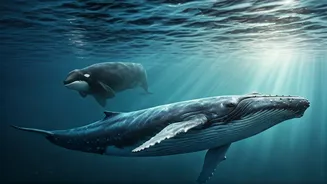
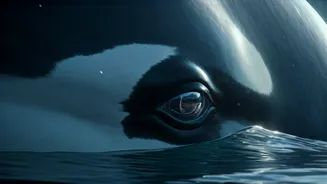
As enormous black fins slice through the water, a moment of frozen apprehension grips the swimmer. Then, an orca emerges from the abyss, a sleek, submarine-like form with flashing white markings. The sound of high-pitched clicks pulses through the water, resonating deep within. The apex predator approaches, emitting a soft whistling sound, and as it glides past, it rolls to reveal its white belly. Locking eyes with the orca, observing its distinct eye patch and a scar on its pectoral fin, a profound shift occurs. The initial panic dissipates, replaced by an unexpected calm, a feeling of being truly present and connected to the wild creature before it vanishes into the deep, leaving only a faint outline and a lasting impression.
Navigating the Fjord
Thousands of orcas journey to Arctic Norway each winter, drawn by migrating herring populations, creating one of the planet's most significant seasonal gatherings of killer whales. However, locating them is an unpredictable endeavor, often requiring patience and managed expectations. Expedition boats like the Orca Norway vessel navigate these waters, sometimes under the ethereal glow of the Northern Lights, with temperatures plummeting to frigid extremes. Dense fog can obscure visibility for hours, transforming the journey into a slow motor through a white void, with the crew patiently scanning for any sign of movement. The anticipation builds, with guides emphasizing the importance of timing and respecting the orcas' space.
The Orca Whisperer's Way
The approach to swimming with wild orcas is guided by seasoned experts like Pierre Robert de Latour, known as the 'Orca Whisperer.' With over 27 years of experience and thousands of cetacean encounters, Pierre emphasizes a philosophy of minimal disturbance and deep respect. He teaches guests to observe the orcas' behaviour, swim parallel to the pods without obstruction, and allow the animals to initiate any interaction. This method, honed through years of study, involves reading the orcas' subtle cues and understanding their 'code.' It's not about chasing or forcing an encounter, but rather about fostering a respectful coexistence, where the orcas dictate the terms of engagement.
A Symphony of Sound
Beyond the visual spectacle, the underwater world is alive with a symphony of clicks and whistles from the orcas. These sounds, which Pierre has spent over a decade recording, are believed to have profound effects. While much of the acoustic language of cetaceans remains a mystery, researchers suggest these sounds can act as a form of self-massage or therapeutic tool. Pierre shares his recordings with wellness centers, noting how they can induce calmness and balance in listeners. The experience of being enveloped by this resonant chorus, particularly when joined by the deep vibrations of humpback whales, can evoke overwhelming emotions and a sense of deep, unshakeable peace that lingers long after leaving the water.
Rewired Self-Care
The profound impact of swimming with wild orcas extends beyond the immediate adrenaline rush. It redefines the concept of self-care, encompassing experiences that recalibrate the entire being. The sharp sting of the cold, the surge of primal energy when facing an apex predator, and the subsequent tranquility as one drifts weightlessly in the ocean's embrace all contribute to a deep sense of renewal. On the final dive, even as temperatures drop and light fades, the lingering cold is forgotten, replaced by a profound sense of contentment and a reluctance to leave the water. This transformative encounter leaves a lasting imprint, recalibrating one's perception of well-being.