





The Gut Health Connection
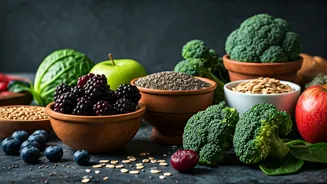
A flourishing digestive system is fundamental to our overall health, influencing everything from nutrient absorption and immune defense to emotional balance.
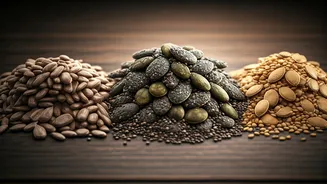
However, modern lifestyles often lead to digestive discomforts like bloating, acidity, and constipation. Fortunately, simple dietary adjustments can make a significant difference. Dr. Anish Sharma, a gastroenterologist with training from AIIMS, highlights the power of specific seeds in promoting a clean and healthy gut. These tiny powerhouses, when integrated thoughtfully into our daily meals, offer a natural and effective way to support digestive regularity and well-being, addressing common ailments and contributing to a more comfortable digestive experience overall.
Chia Seeds for Cleansing
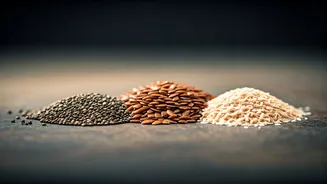
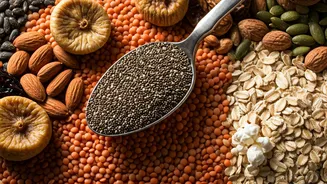
Chia seeds stand out for their remarkable fiber content, offering both soluble and insoluble varieties. When these seeds encounter liquid, they transform into a gel-like substance, which is incredibly beneficial for the digestive tract. This gel aids in sweeping away toxins and waste products, promoting a thorough internal cleanse. Furthermore, the high fiber in chia seeds contributes to a sustained feeling of fullness, which can be a valuable asset for managing weight. To harness their benefits, it's recommended to soak chia seeds for at least 15-20 minutes, or ideally overnight, before consumption. They can be delightful additions to water, milk, or plant-based beverages, forming a soothing pudding, or sprinkled over cereals and yogurts for an added nutritional boost.
Flax Seeds' Mighty Impact
Flax seeds are nutritional powerhouses, generously packed with dietary fiber and beneficial omega-3 fatty acids. The soluble fiber present in flax seeds creates a gel-like consistency within the digestive system, which helps to soften stool and facilitate smoother bowel movements, thereby preventing constipation. Beyond their laxative effects, these seeds also function as prebiotics, nurturing the growth of beneficial bacteria essential for a healthy gut microbiome. For optimal nutrient absorption, it's best to consume flax seeds in their ground form. They can be easily incorporated into your diet by adding them to smoothies, yogurt, oatmeal, or as a topping for salads, enhancing both flavor and digestive support.
Psyllium Husk's Potency
Psyllium husk, widely recognized as isabgol, is a highly effective natural remedy for promoting gut regularity. It functions as a bulk-forming laxative, meaning it absorbs water in the intestines. This absorption causes the stool to increase in volume and become softer, making it significantly easier to pass. This property makes psyllium husk an excellent choice for relieving constipation and contributing to a clean and unburdened digestive system. To use psyllium husk, a teaspoon or two is typically mixed with a glass of water or juice. Crucially, adequate hydration is essential when consuming psyllium husk to ensure it hydrates properly and works effectively, preventing any potential for dehydration.
Dietary Integration Tips
Incorporating these beneficial seeds into your daily routine is remarkably straightforward. Ground flax seeds can be effortlessly blended into smoothies, stirred into oatmeal, or sprinkled over yogurt and salads. Chia seeds, after soaking, can be enjoyed as a pudding with milk or plant-based alternatives, or added to cereals and baked goods. Psyllium husk is most commonly consumed by mixing a small amount with water or juice. Dr. Sharma stresses the importance of consistency and adequate hydration when using these seeds. Regular inclusion, coupled with a balanced diet and sufficient fluid intake, can lead to substantial improvements in gut health. It is always advisable to consult with a healthcare professional before making significant dietary changes, particularly if you have pre-existing health conditions.