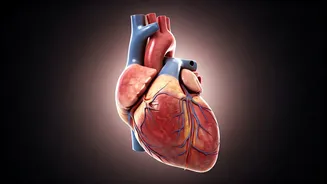

Chest Pain Manifestations
Chest pain, a common indicator of a potential heart issue, manifests in varied ways. It's often described as a feeling of pressure, tightness, or squeezing
in the chest area, which might radiate to other areas such as the arms, shoulders, neck, jaw, or back. The discomfort may fluctuate, possibly lasting for a few minutes or persisting longer. This chest pain can be constant or come and go, with the severity ranging from mild to intense. It is important to note the specific characteristics, duration, and triggers of any chest pain experienced, to aid effective medical evaluation and diagnosis. Such detailed information could be critical for early detection of potential heart problems.
Pain Elsewhere in Body
Pain associated with a looming heart attack isn't always confined to the chest; it can also be felt in other parts of the body. Such pain can emerge in the arms, often affecting the left arm, but also extending to the right arm or both. Additionally, discomfort might present in the shoulders, neck, jaw, or back. This radiating pain can be a signal of blocked blood flow to the heart muscle. It's crucial to acknowledge the correlation between any atypical pains and potential cardiac issues. When such symptoms manifest, especially if they are combined with other symptoms, it warrants prompt medical attention and examination, to properly assess the situation.
Irregular Heartbeat Patterns
An irregular heartbeat, also known as arrhythmia, can be a subtle but critical early warning sign of an impending heart attack. Individuals may notice palpitations, a racing heart, or a sensation of the heart skipping beats. These irregularities arise because of disruptions to the electrical signals that regulate the heart. Variations in heart rhythm can cause dizziness or lightheadedness, and in severe situations, could result in a loss of consciousness. It’s important to monitor the frequency, duration, and pattern of such palpitations and seek medical advice promptly. Regular check-ups and heart health assessments can provide crucial insights into potential risks.
Indigestion and Nausea Concerns
Unexpected indigestion and nausea can surface as less evident indicators of an upcoming heart attack. These symptoms, which may be mistaken for standard gastrointestinal issues, frequently manifest as an uncomfortable sensation in the upper abdomen, accompanied by feelings of queasiness. The symptoms could progress to vomiting. Individuals, especially those with established heart disease risk factors, need to be aware of the atypical nature of these symptoms. These symptoms may occur along with other, more typical signs of a heart problem, necessitating careful assessment. Ignoring these non-specific signs, particularly in high-risk individuals, could delay vital interventions.
Dizziness and Lightheadedness
Dizziness and lightheadedness can arise due to decreased blood flow to the brain, which can occur because of heart-related issues. The sensation may vary from a brief moment of disorientation to more intense spells. If the heart's pumping function is compromised or if blood vessels are blocked, the brain may not receive sufficient oxygen, leading to dizziness. This can cause the person to feel unsteady or even faint. These symptoms, while often dismissible as minor, are a reminder to assess the context in which they happen. The individual's age and health conditions should also be factored in the evaluation, and prompt medical attention is essential.
Persistent Fatigue Impacts
Unusual and lasting fatigue can be an early indicator of a developing heart attack. This isn't just common tiredness, but an overwhelming exhaustion that is not alleviated by rest. The fatigue might become more pronounced during routine daily activities and may be accompanied by a lack of energy, making regular tasks harder to perform. Because the heart is struggling to work efficiently, the body prioritizes energy use. If unexplained fatigue persists for an extended period, especially when combined with other warning signs, it calls for an examination and medical assessment. Understanding the cause and having a medical diagnosis are vital to address the underlying cardiac issues.
Excessive Sweating Episodes
Excessive sweating, unrelated to physical activity or a hot environment, is another key sign of a potential heart attack. This sweating, often referred to as cold sweats, is due to the body's stress response. It is the result of the body trying to compensate for the compromised heart function. This can happen at any time, even while resting, and might be accompanied by other warning symptoms, like chest pain or nausea. If unexplained sweating arises, especially if it coincides with other potential symptoms of heart disease, it's essential to seek prompt medical attention. Proper assessment will enable early diagnosis and help determine if the sweating is heart-related.
Swelling in the Legs
Swelling in the legs, also known as edema, can be a subtle sign of an impending heart attack. The swelling occurs when the heart isn't effectively pumping blood, which causes blood to back up and fluid to accumulate in the lower extremities. This swelling usually appears in the ankles, feet, or legs, and can be accompanied by discomfort or heaviness. Additionally, it might be associated with other symptoms, like shortness of breath. Individuals who notice unexplained swelling should consult a healthcare provider for an evaluation. It is also important to address any accompanying symptoms so that the underlying cardiac issues can be properly diagnosed and addressed.