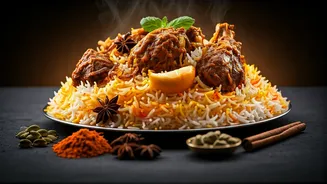







The Heart of Hyderabadi Cuisine
Biryani is far more than just a meal in India; it represents a grand celebration, a centerpiece for family gatherings, festive occasions, or even a spontaneous
indulgence on a quiet evening. The intoxicating aroma of freshly prepared biryani wafting through the air is a universally cherished experience. Across the nation, biryani recipes exhibit a fascinating diversity, varying significantly from one household to another and from one region to another. This culinary landscape inevitably sparks passionate debates among enthusiasts: should it be spicy or mild? Cooked using the traditional 'dum' method or a pressure cooker? Yet, despite these varied opinions and regional interpretations, a common thread unites everyone – an unwavering devotion to this exquisite layered dish of rice, meat, and a touch of culinary magic. For many home cooks, especially those new to the art of biryani preparation, achieving that sought-after restaurant-quality taste can feel like an overwhelming challenge, often leading to an excessive use of spices in an attempt to capture a powerful punch, which can unfortunately result in a jumbled and unbalanced flavor profile. However, the notion that perfection lies not in abundance but in thoughtful subtraction is gaining traction, suggesting that a simpler approach might hold the key to unlocking true biryani excellence.
A Viral Culinary Revelation
A recent development from Hyderabad has captured widespread attention, strongly suggesting that simplicity might indeed be the ultimate culinary hack for achieving outstanding results. This groundbreaking insight doesn't originate from a high-profile chef or a renowned culinary institute; rather, it emerges directly from the expertise of a wedding cook who possesses the remarkable skill of preparing biryani for hundreds of guests. This seasoned professional shared a significant revelation during a brief video interaction, which was subsequently shared by Chef Velton Saldanha on Instagram. The cook asserted that crafting a truly perfect biryani hinges on the judicious use of just four essential spices. According to Chef Saldanha, these four readily available ingredients, when combined with foundational elements like rice, meat, ghee, and other basic seasonings, form the bedrock of this celebrated dish's deliciousness. The implication is that mastering biryani doesn't necessitate an extensive spice rack, but rather a precise understanding of a few key flavor profiles.
The Four Pillars of Flavor
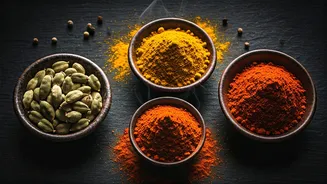
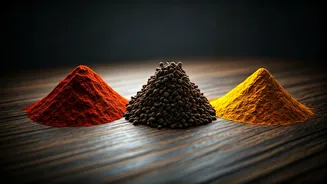
The quartet of spices identified as the secret to an exceptional Hyderabadi biryani are Daalchini (cinnamon), Laung (cloves), Shahi jeera (black cumin), and Hari elaichi (green cardamom). The rationale behind limiting the spice palette to these four is profound: an overabundance of spices can often lead to a discordant clash of flavors, resulting in what is commonly described as a 'confused flavor profile.' By restricting the spice selection to these specific ingredients, the natural, inherent tastes of the meat and the rice are allowed to take center stage, their nuances beautifully complemented and enhanced by the richness of ghee and other aromatic elements. Cinnamon contributes a warm, inviting sweetness to the dish. Cloves offer a distinct, earthy, and slightly pungent bite. Shahi jeera imparts a unique nutty smokiness that adds depth, while green cardamom lends a fresh, aromatic, and slightly floral note. Together, these four spices create a harmonious and balanced flavor symphony that enhances the overall biryani without overpowering the primary ingredients. The cook specifically emphasized that foregoing additional ingredients is crucial for achieving the true Hyderabadi essence, particularly in the context of wedding biryanis, which are traditionally slow-cooked in large, traditional pots over wood fires, allowing the restraint in spices to cultivate deep, smoky, and profoundly satisfying layers of flavor.
Regional Nuances and Home Cooking
The revelation of these four core spices has predictably ignited a lively debate within the culinary community, with Chef Saldanha aptly captioning his Instagram post with 'Don't shoot the messenger' to acknowledge the potential controversy. Social media reactions have been diverse, ranging from enthusiastic endorsements of this simplified approach to passionate arguments defending regional variations, such as the inclusion of potatoes in Kolkata biryani or the characteristic tartness found in Lucknow's version. The Hyderabadi style itself is deeply rooted in Mughlai culinary traditions, with a particular emphasis on the 'dum' cooking technique. This method involves slow-cooking the ingredients in a sealed pot, allowing the flavors to meld and deepen over time. For home cooks aiming to replicate this authentic experience, this insight offers a valuable lesson: it's often more beneficial to move away from pre-packaged biryani masala mixes. These commercial blends can sometimes contain a wide array of spices that may obscure the subtle, distinct flavors that are characteristic of a truly well-made Hyderabadi biryani. Embracing the four core spices, alongside quality ingredients and the right cooking technique, offers a direct path to achieving a more authentic and delicious result in one's own kitchen.