







Blood Sugar Balance is Key
Hormonal shifts during the menstrual cycle make the body particularly responsive to metabolic changes, especially fluctuations in blood sugar. Maintaining
stable glucose levels is paramount for managing PMS. Sudden drops in blood sugar can manifest as irritability, profound fatigue, and intense cravings, often exacerbating premenstrual discomfort. Therefore, prioritizing complex carbohydrates like quinoa, oats, and legumes over refined sugars is crucial. These wholesome grains and pulses release energy gradually, preventing the sharp insulin spikes that can worsen mood swings and fatigue during the luteal phase. While sweet cravings are a common premenstrual phenomenon, it's advisable to limit processed sugars, as they tend to amplify emotional instability rather than offer genuine comfort. By focusing on slow-releasing carbohydrates, you can provide your body with sustained energy and better regulate your mood throughout this sensitive period.
Combatting Bloating & Inflammation
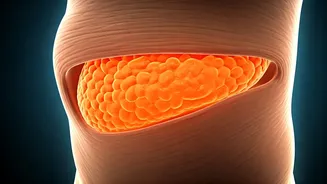
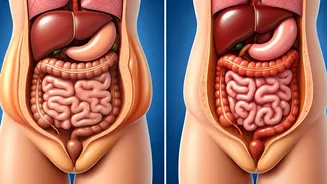
Fluid retention, leading to bloating and breast tenderness, is another frequent PMS complaint. A significant contributor to this is high sodium intake, commonly found in processed and packaged foods. Reducing your consumption of salt can effectively minimize this discomfort. Furthermore, PMS involves real biochemical shifts, not just emotional ones. In the week preceding menstruation, fluctuations in estrogen and progesterone influence serotonin levels, fluid regulation, inflammatory pathways, and blood sugar balance. Nutrition plays a direct role in how smoothly the body navigates these changes. To effectively combat inflammation and reduce cramping, incorporating Omega-3 fatty acids is highly recommended. Fatty fish, walnuts, and flaxseeds are excellent sources, offering natural anti-inflammatory properties. These healthy fats are vital for hormonal balance and can contribute to alleviating menstrual pain. By mindful of your sodium intake and enhancing your diet with Omega-3s, you can proactively manage physical PMS symptoms.
Essential Micronutrients for Mood
Beyond macronutrients, micronutrients play a critical role in managing PMS. Magnesium, abundant in dark leafy greens, seeds, and nuts, is essential for muscle relaxation and nervous system stability. Adequate magnesium intake has been linked to a reduction in menstrual migraines and anxiety. Similarly, ensuring sufficient calcium, whether from dairy products or fortified plant-based alternatives, can help decrease mood swings and water retention, as supported by clinical studies. Vitamin B6, found in foods like bananas, chickpeas, and potatoes, is also vital. It supports the production of serotonin, a key neurotransmitter that helps stabilize mood during the premenstrual phase. Focusing on these micronutrients can provide a powerful internal buffer against common emotional and physical PMS symptoms, fostering a greater sense of well-being.
Hydration and Lifestyle Factors
Hydration is surprisingly crucial for managing PMS. Contrary to the belief that drinking more water exacerbates fluid retention, adequate water intake actually aids proper digestion and helps regulate the body's fluid balance, thereby reducing bloating. Moderation is key with other lifestyle elements as well. Excessive caffeine can intensify anxiety, breast tenderness, and disrupt sleep patterns. Alcohol might amplify mood fluctuations. While sugary desserts and ultra-processed foods offer temporary solace, they often lead to energy crashes and heightened emotional sensitivity later. Consistency in mindful eating patterns, regular meal intervals, moderate exercise, sufficient sleep, and effective stress management collectively contribute to hormonal stability. Viewing the menstrual cycle as a monthly health indicator, supported by steady nutrition and mindful habits, can transform a challenging week into a more manageable one.