
FnO Basics Unpacked
Futures and Options (FnO) are derivatives, meaning their value is derived from an underlying asset, such as stocks, commodities, or currencies. Futures contracts
are agreements to buy or sell an asset at a predetermined price on a specified future date. Options, on the other hand, give the buyer the right, but not the obligation, to buy or sell an asset at a specific price (the strike price) on or before a certain date. In India, FnO trading is regulated by the Securities and Exchange Board of India (SEBI). Understanding the fundamentals of FnO trading is crucial for anyone looking to participate in the market. This includes understanding the various types of contracts, the terminology, and the mechanisms of trading and settlement. Successful FnO trading involves assessing market trends, managing risk, and employing effective trading strategies.
Futures: Understanding Contracts
A futures contract commits the buyer to purchase an asset and the seller to deliver the asset at a predetermined price on a future date. The price of a futures contract is determined by market forces, taking into account the current spot price of the underlying asset, along with factors like interest rates, time to expiry, and storage costs (for commodities). In the Indian stock market, futures contracts are available on various indices (like the Nifty 50 and Bank Nifty) and individual stocks. Trading futures allows investors to speculate on the future price movements of an asset, to hedge against price fluctuations, or to gain leverage. When trading futures, one must consider margin requirements (the amount of money required to open and maintain a position), the potential for both profits and losses, and the expiry dates of the contracts. Careful analysis of market trends and economic factors is essential for making informed decisions.
Options: Rights and Obligations
Options contracts provide the buyer with the right, but not the obligation, to buy (call option) or sell (put option) an asset at a specific price (the strike price) on or before a particular date. Buyers pay a premium for this right, while sellers (also known as writers) receive the premium and are obligated to fulfill the contract if the buyer exercises their option. Options trading offers various strategies, including buying calls (betting on price increase), buying puts (betting on price decrease), selling calls (generating income but limiting upside), and selling puts (potentially buying the asset at a lower price). The value of an option is influenced by factors such as the price of the underlying asset, the strike price, the time to expiry, volatility, and interest rates. Options trading involves risk, and understanding these risks is essential. The complex nature of the options market calls for knowledge of the Greeks (Delta, Gamma, Vega, Theta, and Rho), which measure the sensitivity of an option’s price to various factors.
FnO Trading Strategies
Successful FnO trading requires strategic thinking and a well-defined approach. Several strategies can be employed, catering to different market outlooks and risk tolerances. For example, a 'long call' strategy is used when anticipating a price increase, while a 'short put' strategy can generate income if one believes the market will remain stable or rise. 'Covered calls' involve selling call options against existing stock holdings, generating income while limiting potential gains. The 'protective put' strategy protects against a potential price decline. Moreover, 'straddles' and 'strangles' are used to profit from high volatility, while 'spreads' are used to limit risk and define profit and loss parameters. The selection of an appropriate strategy depends on factors like market analysis, risk tolerance, and time horizon. Constant monitoring and adaptation are crucial, and a deep understanding of market dynamics is imperative.
Risk Management in FnO
Effective risk management is essential in FnO trading due to the inherent leverage and volatility. Traders must establish clear risk management rules, setting stop-loss orders to limit potential losses on open positions. Diversification can help mitigate risk by spreading investments across various instruments and asset classes. Position sizing is essential – determining the appropriate position size relative to the trading capital helps control the extent of potential losses. Understanding and managing margin requirements is crucial because failure to meet margin calls can result in the automatic liquidation of positions. Thoroughly analyzing the potential risk-reward ratio before entering a trade is critical for sound decision-making. Continuous monitoring of market movements and adjusting positions as required is essential, along with a firm understanding of the relationship between risk and reward.
Market Analysis and Research
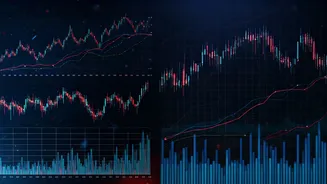
Informed FnO trading relies heavily on market analysis and research. Traders use technical analysis (chart patterns, indicators) to identify potential trading opportunities and assess the direction of market movements. Fundamental analysis, which involves evaluating the economic and financial factors impacting the underlying assets, is also used to estimate their value and forecast future price movements. Economic indicators, such as GDP growth, inflation rates, and interest rate policies, provide insight into the overall economic environment. News and events can have a significant impact on FnO prices, and traders should stay informed about market-moving events. Conducting thorough research on the underlying assets and understanding the relationship between different assets can significantly enhance trading strategies. Utilize tools like financial news sources and market data providers to facilitate in-depth analysis.
Important Considerations
Before venturing into FnO trading, several factors need careful consideration. First, ensure you have a strong understanding of the concepts and mechanisms involved. Always start with a well-defined trading plan that includes objectives, risk tolerance, and strategies. Practicing with a virtual trading account is advisable before committing actual capital. The Indian stock market is regulated by SEBI, so it’s essential to comply with relevant regulations. Consider the tax implications of FnO trading; consult with a financial advisor to understand tax obligations. Finally, recognize the emotional aspects of trading, and avoid making impulsive decisions based on fear or greed. Always maintain discipline and adhere to your trading plan to maximize your chances of success and minimize risk.