






Key Factors for Ventilation
Deciding whether to open or close your windows during hot weather isn't a one-size-fits-all answer; it hinges on several dynamic elements. Poras Pratap
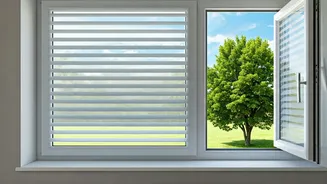
Singh, a leading interior design consultant, emphasizes that the interplay between outdoor temperature, ambient humidity, the specific time of day, and prevailing air movement are crucial considerations. Fundamentally, if the external air registers as cooler than your interior environment, strategically opening windows can facilitate natural cooling. Conversely, during periods of peak heat when outside temperatures soar above your home's current cool, keeping windows firmly shut is the most effective strategy to prevent the ingress of unwanted warmth. Moreover, external conditions like wind direction and the presence of shade also influence this decision. Homes designed with excellent natural airflow can significantly benefit from open windows during the gentler hours of early morning or late evening, when ambient temperatures are more forgiving. However, in locales plagued by high humidity or intense, direct solar radiation, sealing off the indoors often proves more beneficial for preserving a consistently cool living space.
Humidity's Cooling Role
The impact of outdoor humidity plays a pivotal role in determining whether the simple act of opening windows will genuinely lead to a cooler home. Singh points out that on sweltering days characterized by high humidity levels, leaving windows ajar can, paradoxically, exacerbate indoor discomfort. "When air saturated with moisture drifts inside, it can lend the atmosphere a sticky, more unpleasant sensation," he explains. This augmented humidity can impede the body's natural cooling mechanisms, leading to increased perspiration and difficulty in feeling refreshed, thus making it more prudent to maintain closed windows and rely on air conditioning systems to regulate both temperature and moisture content. In stark contrast, Singh observes that within drier climates, opening windows during the cooler intervals of the day, such as the quiet early mornings or the tranquil late evenings, can serve as an effective method for introducing cool, dry air into the home. "As this cool, dry air circulates within, it aids in lowering the internal temperature without imparting an overly damp feel," he notes.
Strategic Timing for Windows
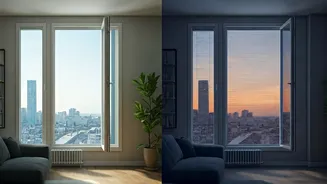
The timing of your ventilation efforts is paramount when deciding whether to keep windows open or closed amidst soaring summer temperatures. Singh strongly advises taking advantage of the cooler transitional periods, specifically early morning or late evening, when outdoor temperatures naturally dip. "This practice helps to organically decrease internal temperatures, fostering a comfortable living environment without the immediate need for air conditioning," he elaborates. Conversely, Singh advocates for keeping windows shut during the most intense parts of the day, such as the afternoon or midday, when the sun is at its zenith and external heat is at its peak. "This proactive measure prevents the influx of excessively hot air into your residence, thereby helping to preserve the cooler air already contained within," he suggests.
Fans and AC Synergy
The combined effect of fans or air conditioning with strategic window management can profoundly influence your indoor comfort levels. Singh elaborates on how integrating fans with open windows aims to establish a cross-breeze, facilitating the movement of air throughout the house. This technique is particularly effective during the day's cooler moments, like the early morning or late evening. By placing fans strategically near windows, you can actively draw cooler external air inside while simultaneously expelling warmer internal air, fostering a more pleasant atmosphere. On the other hand, when employing an air conditioning system, Singh underscores the importance of keeping windows sealed to maximize efficiency. "Air conditioning units function by both cooling and dehumidifying the air within a space. If windows are left open, warm and humid external air infiltrates, significantly diminishing the AC's effectiveness and leading to increased energy consumption," he explains. To achieve and maintain an energy-efficient, cool environment, he recommends ensuring all windows are closed and any potential air leaks are addressed.