








The Cabbage Craze
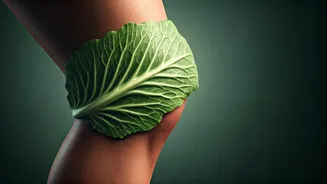
Social media platforms have been abuzz with a peculiar new approach to managing knee discomfort: the cabbage leaf wrap. This trend, gaining significant
traction, involves applying fresh cabbage leaves to aching joints, often securing them with plastic wrap or fabric, and leaving them in place for extended periods. Proponents of this method suggest that cabbage possesses inherent anti-inflammatory qualities capable of drawing out the swelling associated with arthritic conditions. The allure is undeniable, offering a potentially inexpensive, chemical-free, and readily accessible solution for individuals grappling with persistent knee pain. It evokes a sense of traditional, almost grandmotherly wisdom updated for the digital age, and its 'natural' label encourages many to view it as a safe alternative to conventional medical treatments.
Expert Insights
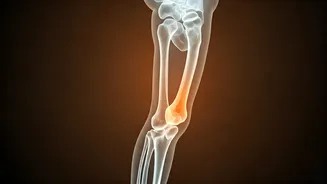
While the sensation of relief experienced by individuals using cabbage leaves might be genuine, the underlying mechanism is not quite as extraordinary as it might seem. Orthopaedic specialists explain that the comfort derived from this practice often stems from the cooling sensation of the leaves and their function as a moist compress. In essence, a chilled cabbage leaf operates much like an ordinary ice pack; it can numb the affected area and constrict blood vessels, thereby diminishing the perception of pain. However, this effect is purely superficial and does not address the root cause or structural damage of arthritis. Although some preliminary studies from 2025 have investigated 'cabbage leaf therapy,' their findings generally indicate that its efficacy for temporary stiffness is comparable to that of a standard cold pack or a basic medicated gel. The fundamental issue with arthritis lies in its nature as a structural problem involving the deterioration of cartilage within the joint, a depth that a leaf applied externally cannot possibly penetrate to facilitate repair.
Potential Pitfalls
A significant concern voiced by medical professionals is the risk that individuals might become overly reliant on these viral remedies, potentially delaying or foregoing essential professional medical care. Knee arthritis is a progressive ailment that can deteriorate over time if not managed appropriately through evidence-based strategies. If someone dedicates months to applying vegetable wraps to their knees instead of engaging in prescribed exercises, such as quadriceps strengthening, they might face more severe mobility challenges in the future. The viral nature of these hacks often overshadows the need for a proper diagnosis and a comprehensive treatment plan tailored to the specific progression of the condition. Neglecting established medical guidance in favor of trendy, unproven methods can lead to a worsening of the condition and a reduced quality of life.
Safe for Whom?
In conclusion, while there is generally no inherent harm in experimenting with a cabbage wrap if it provides a measure of comfort for minor evening aches, it's crucial to maintain perspective regarding long-term joint health. This particular home remedy can be considered harmless for temporary, superficial relief. However, when the focus shifts to sustained joint well-being and managing a condition like arthritis, it is imperative to recognize that a viral video or social media trend is an inadequate substitute for a qualified clinical diagnosis and professional medical advice. A balanced approach, incorporating both comforting home practices and medically sound treatments, is the most effective way to address arthritis and preserve mobility.