





Look for Hallmarks
A crucial first step in determining silver's authenticity involves a close visual inspection for identifying marks, often referred to as hallmarks. These
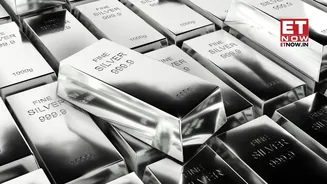
tiny stamps, usually found discreetly on the item's surface—such as the inner band of a ring, the clasp of a necklace, or the base of a dish—are the quickest indicators of purity. The mark '999' or '.999' signifies Fine Silver, which is 99.9% pure and commonly seen on investment-grade items like coins and bars. '925' denotes Sterling Silver, a widely used alloy comprising 92.5% silver. Older European pieces might bear '900' or '800' marks, indicating lower silver content. Be wary of 'EPNS,' which stands for Electroplated Nickel Silver; this signifies a base metal coated with a thin layer of silver, essentially a silver disguise for a less valuable material.
The Magnet Test
Silver, in its pure form, possesses a unique physical property: it is entirely non-magnetic. This characteristic provides a simple yet effective testing method. Obtain a strong rare-earth magnet, such as a neodymium magnet, and bring it close to your silver object. If the magnet is attracted to the item and sticks firmly, it is a strong indication that the piece is not genuine silver. Such an attraction typically suggests the presence of a core made from magnetic metals like iron or steel, often used to mimic the weight and appearance of silver. For silver bars, an advanced version of this test, known as the slide test, can be performed. By tilting the bar at a 45-degree angle and allowing the magnet to slide down its surface, real silver exhibits a noticeable drag effect due to its non-magnetic nature and eddy current interactions. This resistance slows the magnet's descent, creating a slow, deliberate slide, unlike the rapid fall on a fake.
The Ice Cube Trick
Silver possesses an exceptional ability to conduct heat, boasting the highest thermal conductivity among common metals. This remarkable property allows it to transfer thermal energy almost instantaneously, a fact that forms the basis of the 'ice cube trick.' To perform this test, place a standard ice cube directly onto the surface of your silver item, whether it's a coin or a flat bar. You will observe that the ice cube begins to melt almost immediately upon contact with the metal, a process that occurs significantly faster than it would if the ice were simply placed on a typical room-temperature surface like a countertop. Furthermore, upon handling the silver piece after placing the ice cube, you will distinctly feel its immediate coldness, a direct result of the metal's rapid heat absorption from the ice and surrounding environment.
Listen for the Ring
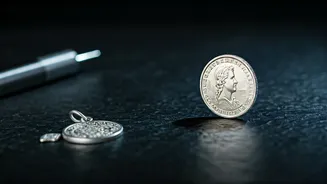
The auditory quality of silver offers another fascinating method for verifying its authenticity. When struck, base metals tend to produce a dull, flat sound, often described as a thud. In contrast, genuine silver emits a distinct, resonant tone. To test this, gently balance a silver coin on the tip of your finger and tap it with another coin. A true silver coin will ring with a high-pitched, clear 'ping' that sustains for a noticeable period, typically a couple of seconds. For those interested in a more technical approach, advanced users can even utilize smartphone applications specifically designed to analyze the sound frequency produced by coins. These apps can help quantify the specific sonic characteristics that distinguish authentic silver from imitations, providing a more precise verification.
The Acid Test
For an unassailable confirmation of silver's purity, the nitric acid test, commonly employed by professional appraisers, can be utilized. It is important to note that this method can cause minor surface damage, so it is advisable to avoid it on valuable or antique pieces where preserving the original condition is paramount. The procedure involves creating a very small scratch on an inconspicuous area of the item to expose the underlying metal, thereby bypassing any superficial plating. A single drop of specialized testing acid is then applied to this exposed area. The acid's reaction, indicated by a color change, reveals the metal's composition. A bright blood-red hue signifies pure fine silver, while a dark crimson points to sterling silver. If the color shifts to brown, it suggests approximately 80% silver content. A green reaction, however, indicates the presence of a base metal or plating. When dealing with cherished heirlooms or rare coins, it is always best to entrust the assessment to a professional jeweler who can use non-destructive methods like X-ray scanning for a definitive answer.