






What is Hashimoto's Disease?
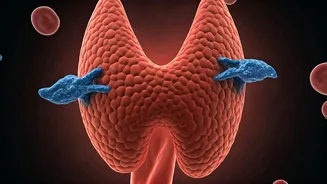
Hashimoto's disease, also known as chronic lymphocytic thyroiditis or autoimmune thyroiditis, is an autoimmune condition that directly affects the thyroid gland.
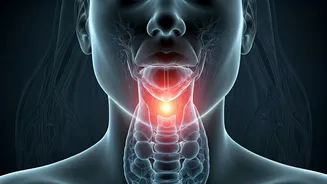
This butterfly-shaped gland, located at the base of the neck, plays a crucial role in regulating numerous bodily functions through the hormones it produces. In Hashimoto's, the immune system erroneously identifies healthy thyroid cells as foreign invaders and initiates an attack, leading to the gradual destruction of these hormone-producing cells. This chronic inflammation typically results in a diminished capacity of the thyroid to generate essential hormones. The consequences of this reduced hormone production can be far-reaching, impacting the body's metabolic rate, which is the process of converting food into energy. When this energy production falters, the body's various systems begin to slow down, potentially leading to a cascade of physical and emotional challenges for those affected.
Recognizing the Symptoms
The initial stages of Hashimoto's disease can be subtle, often leading to symptoms being overlooked. As the thyroid gland becomes inflamed and enlarges over time, it may develop into a painless swelling known as a goiter. A significant consequence of Hashimoto's is the eventual development of hypothyroidism, a condition characterized by insufficient thyroid hormone levels. Individuals experiencing hypothyroidism might notice a range of symptoms including unexplained weight gain, persistent fatigue or lethargy, difficulties with bowel movements (constipation), shifts in mood leading to depression, noticeable hair loss, and general bodily aches and pains. In some instances, the thyroid gland may also shrink in size as the disease progresses. While the condition is manageable, potential complications arising from untreated Hashimoto's and subsequent hypothyroidism can be serious. These may include elevated cholesterol levels, an increased risk of heart disease and heart failure, high blood pressure, a severe form of hypothyroidism called myxedema, and complications during pregnancy for affected women.
Causes and Diagnosis
The exact etiology of Hashimoto's thyroiditis is believed to stem from a complex interplay between genetic predispositions and environmental triggers. Factors such as having a family history of the disease or concurrently suffering from other autoimmune disorders can heighten an individual's risk. Diagnosing Hashimoto's disease typically involves a series of blood tests to assess thyroid function and the presence of specific antibodies. Key among these are tests for Thyroid-Stimulating Hormone (TSH), which indicates how well the thyroid is responding to signals from the brain, and T4 (thyroxine), a primary thyroid hormone. Additionally, blood tests are conducted to detect antithyroid antibodies, such as anti-thyroid peroxidase (TPO) antibodies and antithyroglobulin antibodies, which are hallmarks of an autoimmune attack on the thyroid. The confirmation of elevated levels of these antibodies, coupled with specific TSH and T4 levels, provides a definitive diagnosis.
Managing and Treating
Currently, there is no known medical intervention that can halt the autoimmune inflammatory process targeting the thyroid gland in Hashimoto's thyroiditis. However, the condition is highly treatable, and the prognosis is generally positive, especially when diagnosed and managed promptly. The primary approach to managing Hashimoto's disease focuses on alleviating the symptoms of hypothyroidism that often develop. This typically involves hormone replacement therapy, most commonly with synthetic thyroid hormone medication. The goal is to restore normal hormone levels in the body, thereby reversing or significantly improving the symptoms associated with low thyroid function. Regular monitoring through blood tests is essential to ensure the dosage of thyroid hormone medication is appropriate and effectively manages the condition. Early diagnosis and consistent treatment are key to preventing long-term complications and maintaining a good quality of life for individuals affected by Hashimoto's disease.